Last updated: August 2, 2026
Editor verdict
Quick Verdict
This quick verdict helps fighters, coaches, and home-gym strikers compare boxing glove size guide by fit, protection, durability, training use, and value.
Who Should Buy
Choose this category if the product matches your current training environment, sizing needs, storage limits, and budget after checking current retailer details.
Who Should Skip
Skip or keep comparing if the listing does not show enough sizing/spec detail, if returns are unclear, or if the product solves a different use case than the one in this guide.
Key Criteria
- Fit
- Protection
- Durability
- Training Use
- Value
Source check: Recommendations should be read with current retail listings, available manufacturer/spec information, buyer-facing claims, and the site’s methodology page.
What we would actually pick for Boxing Glove Size Guide
The useful question for Boxing Glove Size Guide is fit under pressure. Padding, closure, shape, and return terms matter more than a clean product photo. If I were buying from this page, I would start with Hayabusa T3 Boxing Gloves, then use the alternatives only when the size or protection lane fits better.
Default pick
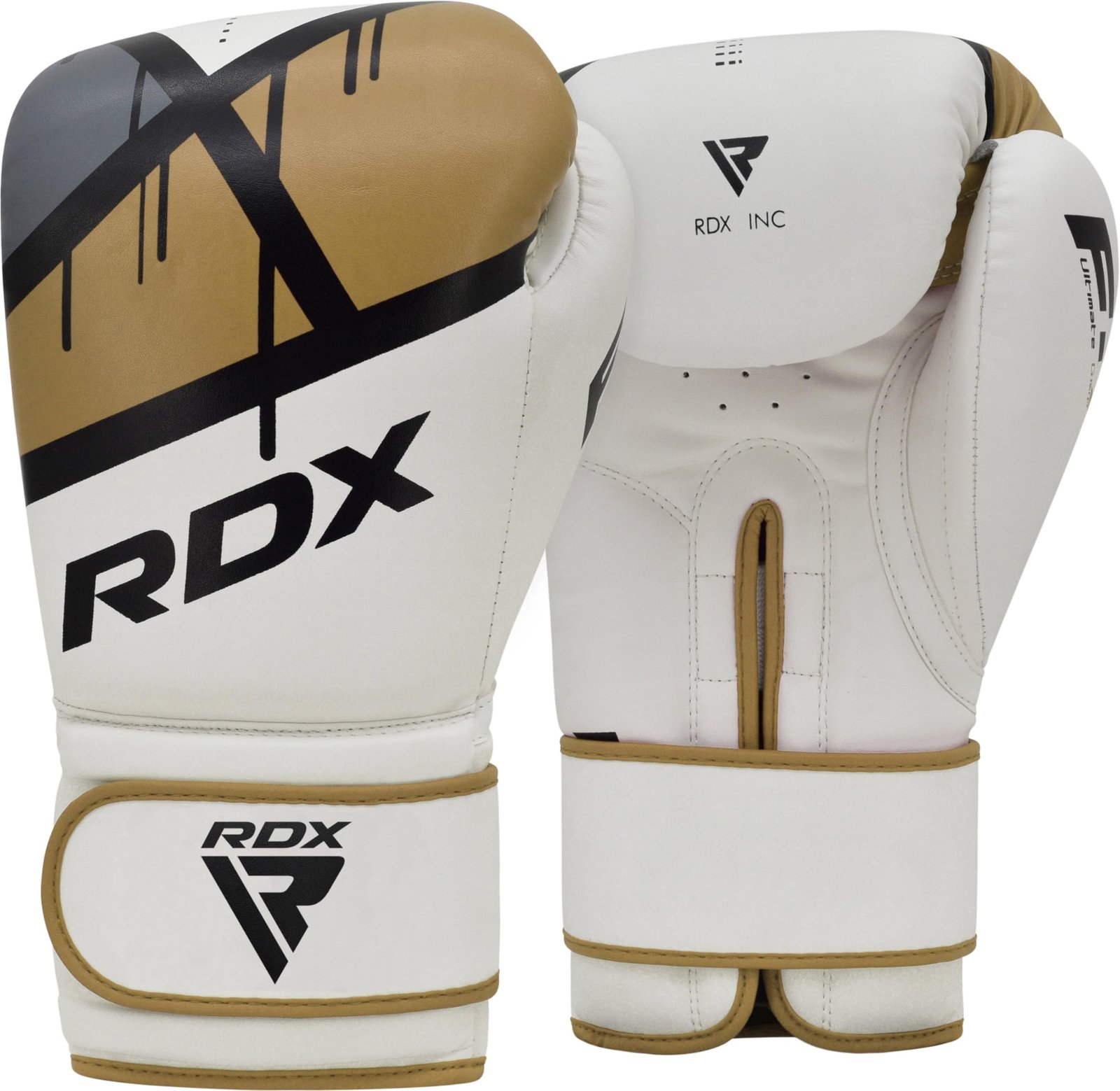
Hayabusa T3 Boxing Gloves
Why it made the page: it has enough visible fit/use evidence to compare before moving to size and return checks.
Best for: fighters who care more about fit and protection than just the lowest price.
- Price seen $169.00
- 4.7/5 from 4,674 ratings
- Size: 10oz
- Color: Black/Gold
Watchout: Sizing and closure are the risk. Check the live size chart and return terms before trusting the fit.
ASIN B07X13SVPY detail page checked August 10, 2026. Prices and availability can move.
Best alternative
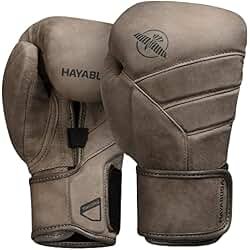
Hayabusa T3 LX Leather Boxing Gloves
Why it made the page: it has enough visible fit/use evidence to compare before moving to size and return checks.
Best for: fighters who care more about fit and protection than just the lowest price.
- Price seen $199.00
- 4.8/5 from 1,439 ratings
- Size: 16oz
- Color: Brown
Watchout: Sizing and closure are the risk. Check the live size chart and return terms before trusting the fit.
ASIN B083F7H296 detail page checked August 10, 2026. Prices and availability can move.
Budget/edge case
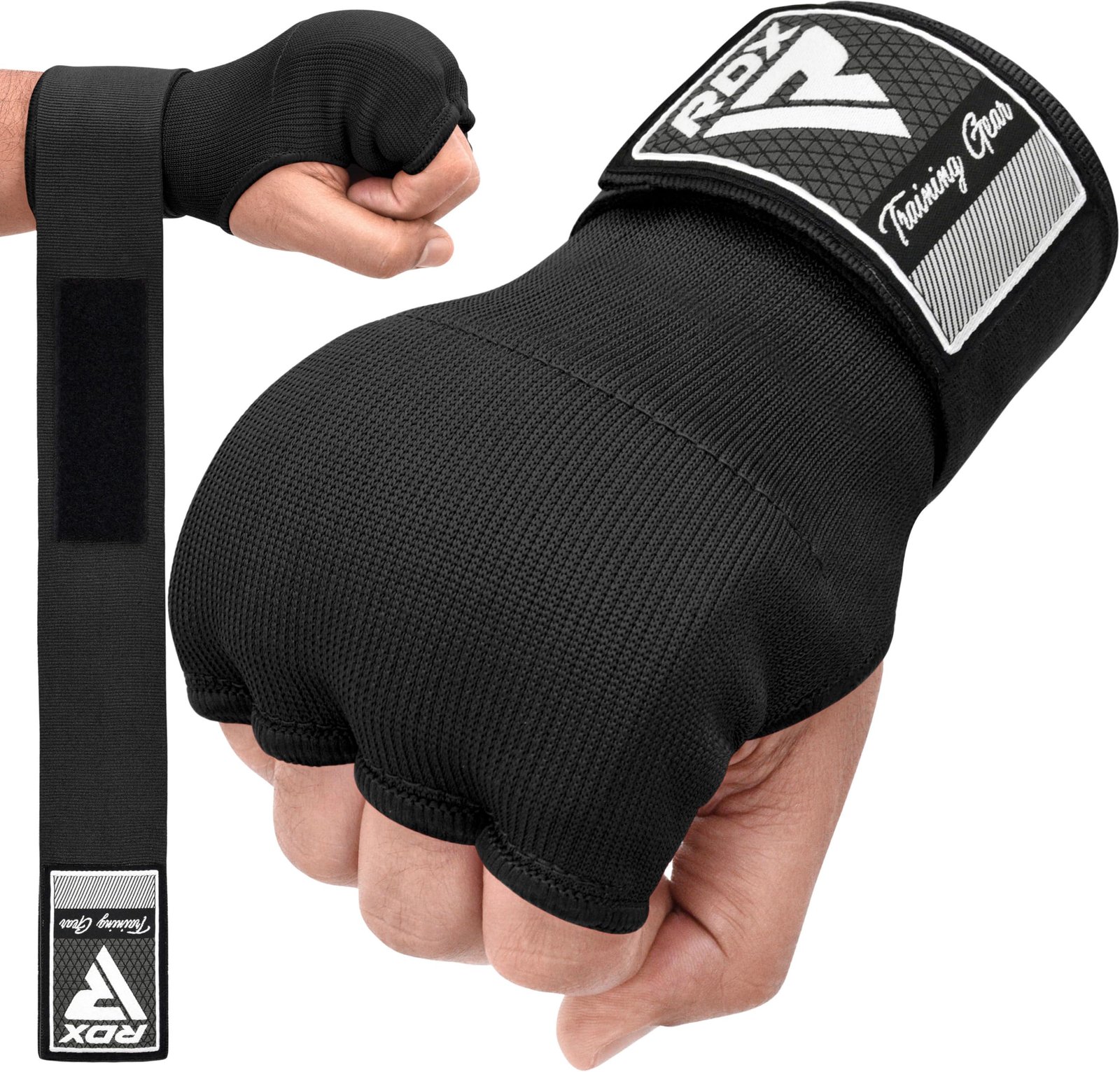
RDX Training Boxing Inner Gloves Hand Wraps MMA Fist Protector Bandages Mitts
Why it made the page: it has enough visible fit/use evidence to compare before moving to size and return checks.
Best for: fighters who care more about fit and protection than just the lowest price.
- Price seen $14.99
- 4.5/5 from 10,243 ratings
- Material: Elasticated Cotton Nylon Blend
- Size: Large
Watchout: Sizing and closure are the risk. Check the live size chart and return terms before trusting the fit.
ASIN B00PCIWZQC detail page checked August 10, 2026. Prices and availability can move.
See live price and availabilityCheck Canada price on Amazon.ca
The buying call
The useful question for Boxing Glove Size Guide is fit under pressure. Padding, closure, shape, and return terms matter more than a clean product photo. If I were buying from this page, I would start with Hayabusa T3 Boxing Gloves, then use the alternatives only when the size or protection lane fits better. The cards above are ordered by the clearest product-page evidence available in this pass: direct ASIN, visible product media, listed facts, and practical fit for the article’s use case.
StrikeGearHQ participates in the Amazon Associates Program. We earn a commission on qualifying purchases made through links on this page, at no extra cost to you.
Choosing the wrong boxing glove size isn’t just uncomfortable — it’s dangerous. Too small and your knuckles absorb impact that should be distributed across the padding. Too big and your wrist floats inside the glove, turning every hook into a potential sprain. Every experienced coach will tell you: glove sizing is the first decision that separates serious fighters from people who quit after three sessions with aching hands.
Quick Picks
Quick Picks Before You Scroll
If you already know what you need, start with these options. For sizing, tradeoffs, and use-case notes, read the full comparison below.
Fast pick
Recommended option
Use this as a starting point, then compare fit, materials, use case, and tradeoffs in the full guide below.
Alternative
Recommended option
Use this as a starting point, then compare fit, materials, use case, and tradeoffs in the full guide below.
Also compare
Recommended option
Use this as a starting point, then compare fit, materials, use case, and tradeoffs in the full guide below.
This guide breaks down exactly how to choose the right boxing glove size based on your body weight, hand circumference, and training purpose. No guesswork. No “it depends.” Just the specific recommendations that coaches and fighters actually use in the gym.
Whether you’re stepping into a boxing gym for the first time, transitioning from bag work to sparring, or competing at amateur level — getting your glove size right is non-negotiable. If you’re also looking for specific glove recommendations, check out our best boxing gloves for beginners guide.
Quick Reference: Boxing Glove Size Chart
| Your Weight | Bag Work | Sparring | Competition |
|---|---|---|---|
| Under 100 lbs (45 kg) | 8 oz | 12 oz | 8 oz |
| 100–120 lbs (45–54 kg) | 10 oz | 14 oz | 10 oz |
| 120–150 lbs (54–68 kg) | 12 oz | 14–16 oz | 10 oz |
| 150–180 lbs (68–82 kg) | 14 oz | 16 oz | 10 oz |
| 180+ lbs (82+ kg) | 16 oz | 16–18 oz | 10 oz |
Important: Competition glove sizing is governed by sanctioning bodies (Boxing USA, USA Boxing, etc.) and may vary. Always confirm with your coach or event organizer before purchasing competition gloves.
Boxing Glove Sizes Explained: The Complete Breakdown
8 oz Gloves — Competition & Light Bag Work
Eight-ounce gloves are the smallest standard adult size. They offer minimal padding and maximum speed, which is exactly why they’re used in professional bouts — fighters want to feel the impact transfer. For training purposes, 8 oz gloves are only appropriate for very light bag work by smaller fighters (under 120 lbs) or for pad/mitt drills where speed matters more than protection.
Best for: Professional competition, speed drills, fighters under 100 lbs for bag work
Not recommended for: Sparring at any weight, heavy bag work for fighters over 120 lbs
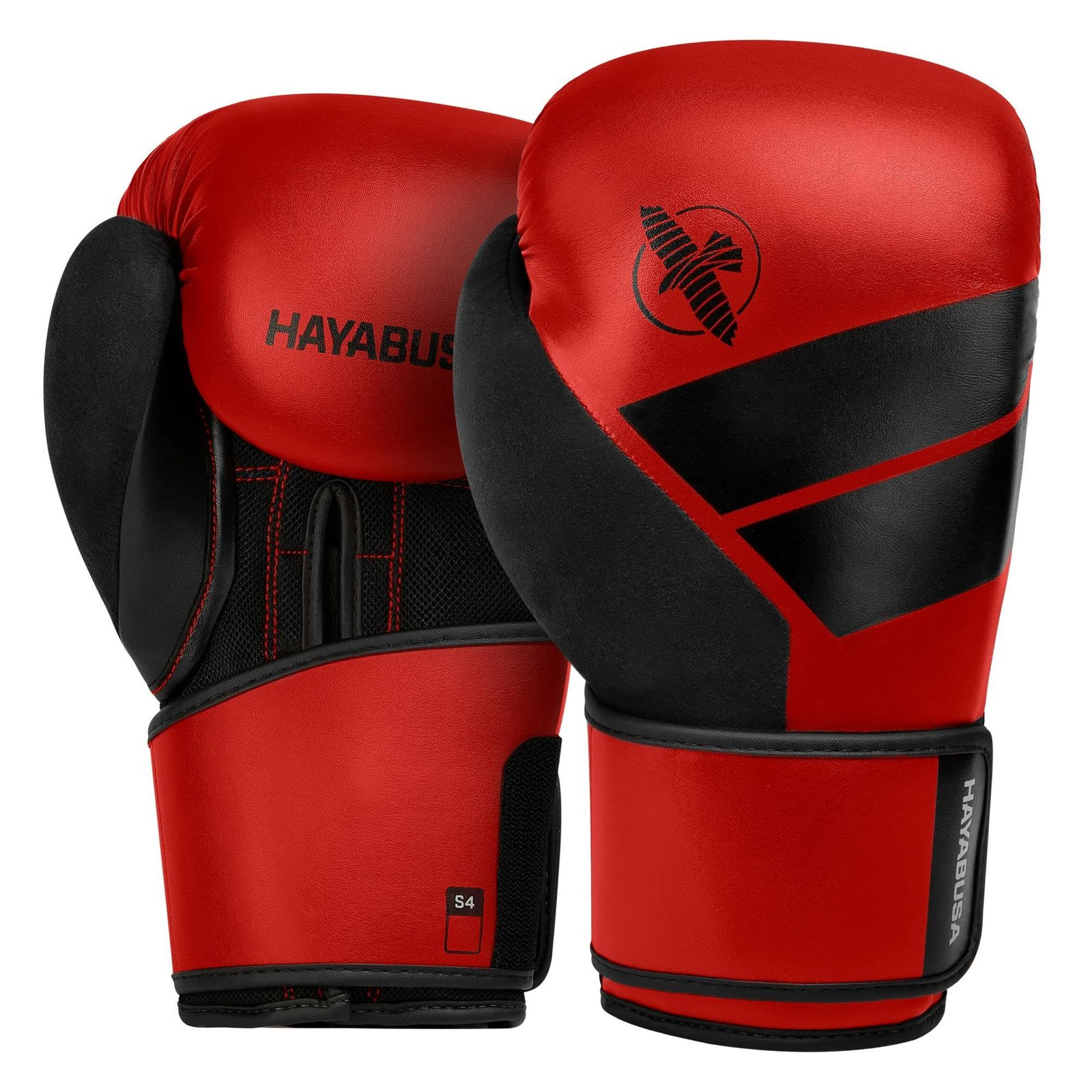
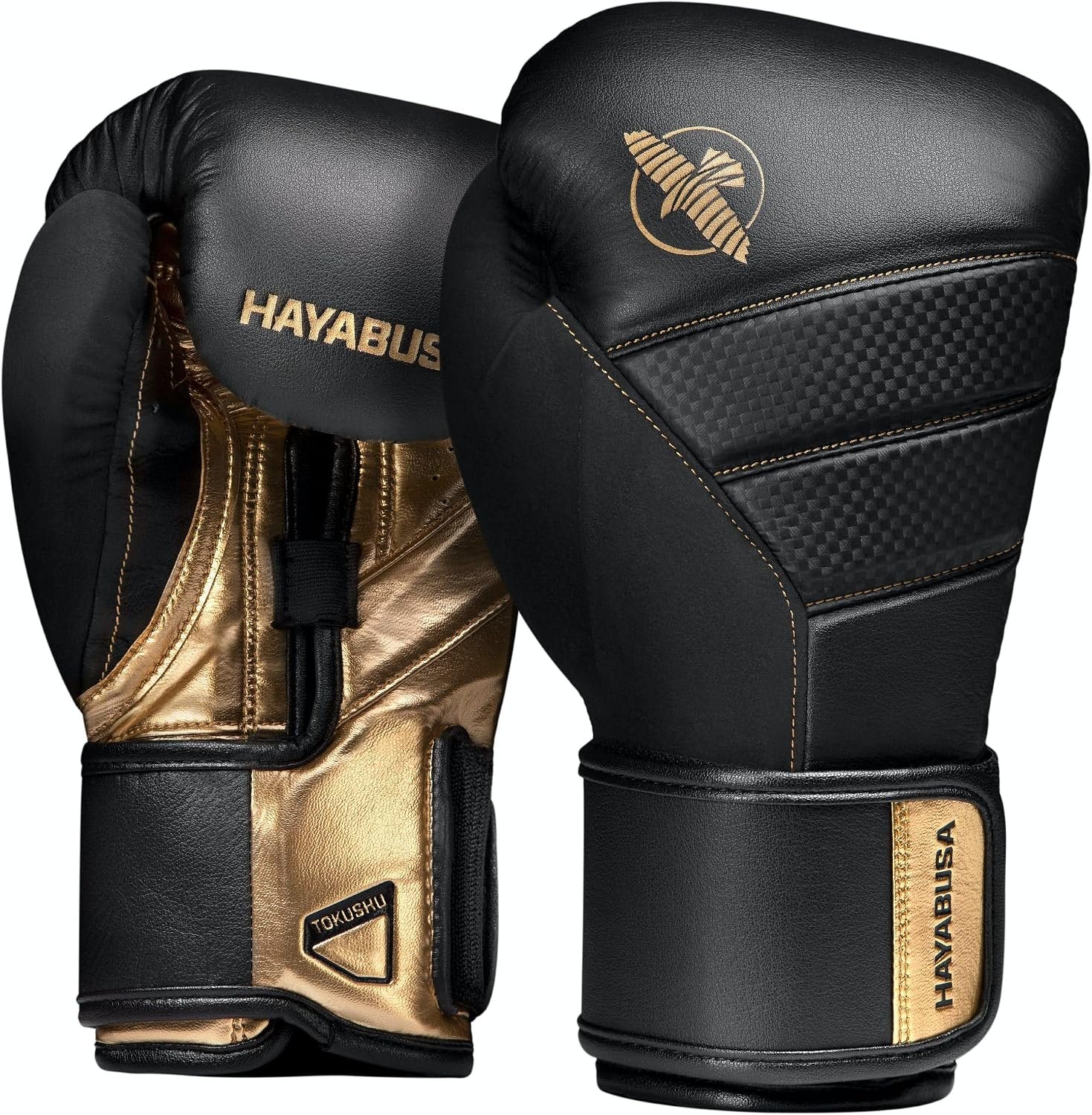
Hayabusa T3
/10
✅ Pros
- Dual-X closure provides exceptional wrist support
- 5-layer foam maintains shape across all oz sizes
- Pre-curved design helps with fist formation
- Runs true to size with consistent fit
❌ Cons
- Premium price ($170–$190 USD)
- Snug fit — not ideal for very wide hands
- 1–2 week break-in period
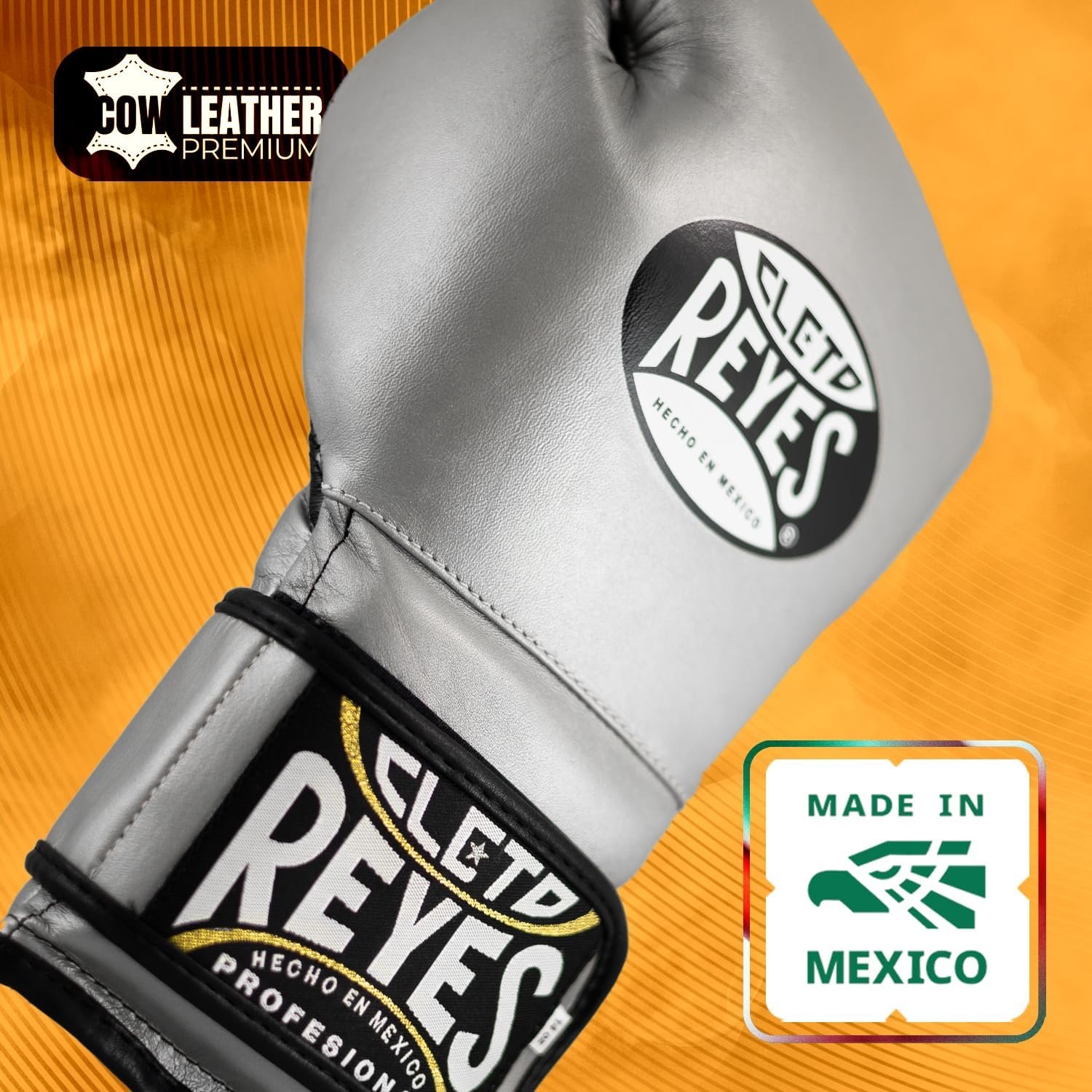
Cleto Reyes Training Gloves
/10
✅ Pros
- Handmade in Mexico — elite craftsmanship
- Water-resistant leather conforms to hand shape
- Compact padding for better punch feedback
- Legendary durability — lasts 5+ years
❌ Cons
- Expensive ($220–$260 USD)
- Less padding than modern foam gloves
- Long break-in period (2–4 weeks)
10 oz Gloves — Transitional Training
Ten-ounce gloves sit in a sweet spot between speed and protection. They’re the go-to for bag work among fighters in the 100–140 lb range and are occasionally used for amateur competition at lighter weight classes. Most coaches won’t let you spar in 10 oz gloves unless you’re under 120 lbs and even then, many gyms require 14 oz minimum for sparring regardless of weight.
Best for: Bag work and mitt drills for fighters 100–140 lbs, amateur competition at lighter weight classes
Not recommended for: Sparring for fighters over 120 lbs, heavy bag work for fighters over 150 lbs
12 oz Gloves — The Versatile Middle Ground
Twelve-ounce gloves are the most versatile size in boxing. They provide enough padding for serious bag work while remaining light enough for speed drills. Fighters in the 120–150 lb range use 12 oz gloves as their primary training glove. For sparring, 12 oz is only acceptable at lighter weights (under 130 lbs) — most gyms require 14 oz or 16 oz for sparring.
Best for: All-purpose training for fighters 120–150 lbs, bag work, mitt drills, light sparring for smaller fighters
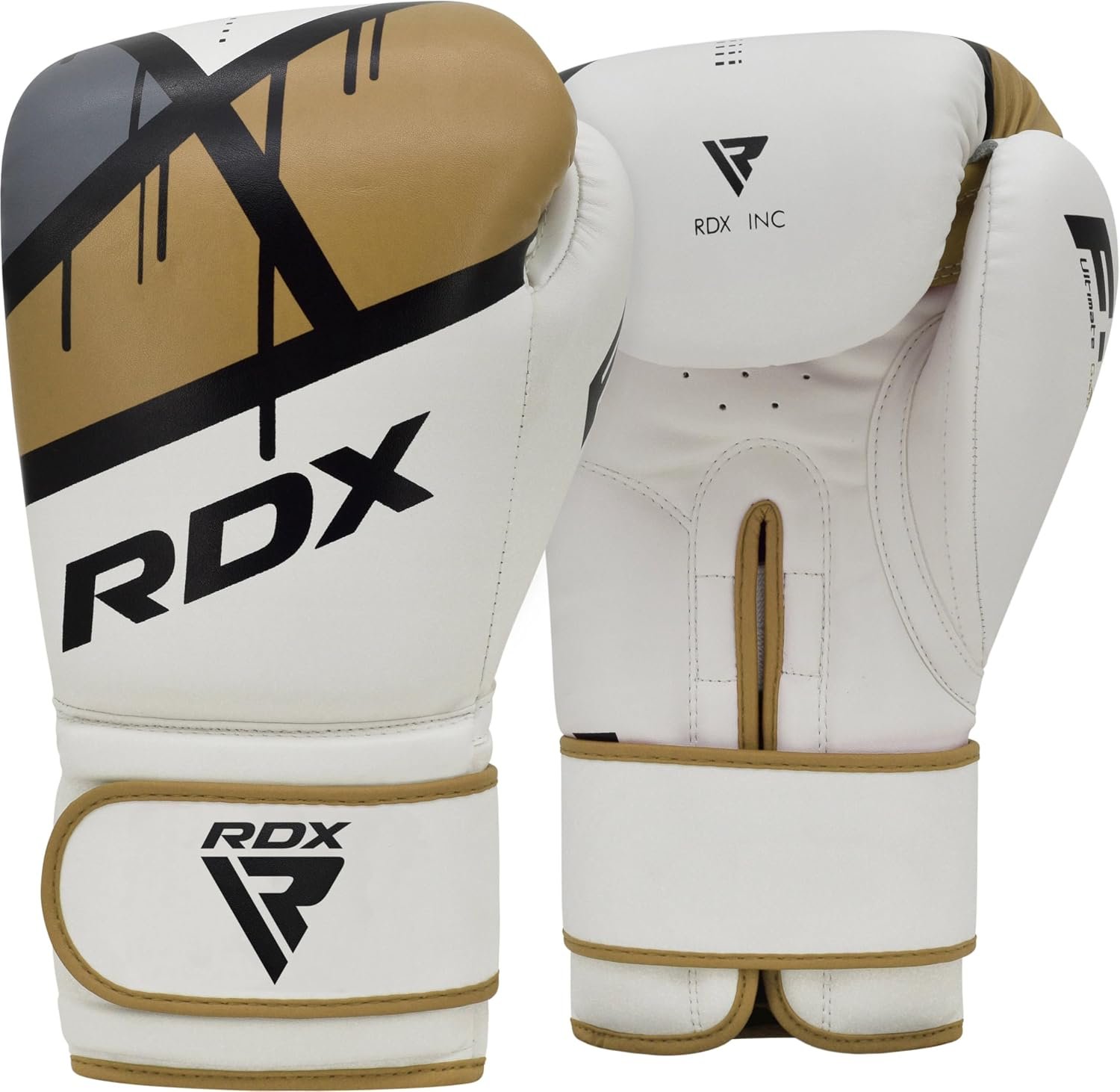
Venum Challenger 2.0
/10
✅ Pros
- Triple-density foam at a budget price
- Excellent ventilation reduces sweat
- Bold designs, many color options
- Good wrist strap for the price
❌ Cons
- PU leather won’t last as long as genuine leather
- Padding can compress faster under heavy use
- Thumb attachment can feel restrictive
Fairtex BGV1
/10
✅ Pros
- Genuine leather — handmade in Thailand
- Multi-layer foam provides excellent impact distribution
- Tight fit reduces hand movement inside glove
- Works for boxing, Muay Thai, and kickboxing
❌ Cons
- Runs slightly small — size up if between sizes
- Stiffer out of the box than competitors
- Limited color selection in some sizes
14 oz Gloves — The Sparring Standard for Medium Fighters
Fourteen-ounce gloves are where sparring becomes safe for fighters in the 130–170 lb range. The extra padding compared to 12 oz makes a measurable difference in impact absorption — both for your hands and your sparring partner’s face. Many boxing gyms set 14 oz as the minimum sparring weight for anyone under 175 lbs.
For bag work, 14 oz is ideal if you weigh 150–180 lbs. The added weight builds endurance and shoulder strength while still allowing you to work on speed.
Best for: Sparring at 130–170 lbs, all-purpose training at 150–180 lbs
Twins Special BGVL3
/10
✅ Pros
- Genuine leather construction
- Generous hand compartment — great for wide hands
- Long-lasting multi-layer foam
- Excellent sparring glove at a fair price ($130–$150 USD)
❌ Cons
- Runs big — may feel loose on smaller hands
- Bulkier profile than some competitors
- Can feel heavy for extended bag sessions
16 oz Gloves — The Universal Sparring Standard
Sixteen-ounce gloves are the gold standard for sparring in most boxing gyms worldwide. If you weigh over 150 lbs, this is what your coach will tell you to wear for sparring. Period. The extra padding protects both you and your training partners, and the added weight builds serious endurance over long rounds.
For heavy bag work, 16 oz is the standard for fighters over 180 lbs. The weight slows your punches slightly, which actually helps you focus on technique rather than raw power.
Best for: Sparring at all weight classes over 150 lbs (and often required below 150 lbs too), heavy bag work for 180+ lb fighters
Hayabusa T3 (16 oz)
/10
✅ Pros
- Best wrist support in the 16 oz category
- 5-layer foam absorbs heavy shots consistently
- Pre-curved design for natural fist position
- Antimicrobial lining keeps odor down
❌ Cons
- Premium pricing ($170–$200 USD)
- Can feel tight on larger hands at 16 oz
Rival RB7 Fitness Plus
/10
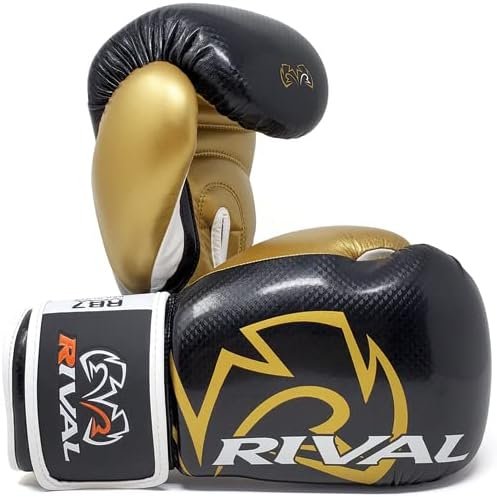
✅ Pros
- US brand — designed and reviewed locally
- Carbonium PU is extremely durable
- Comfortable right out of the box
- Great price point ($90–$120 USD)
❌ Cons
- Not genuine leather
- Padding isn’t as dense as premium options
- Less wrist support than Hayabusa T3
18 oz Gloves — Maximum Protection
Eighteen-ounce gloves are reserved for heavy sparring among larger fighters (200+ lbs) and professional gyms where hard sparring is common. The extra 2 oz compared to 16 oz might not sound like much, but it adds meaningful padding — especially when two heavyweights are trading shots. Some coaches also use 18 oz gloves for conditioning: the added weight turns a regular bag session into a shoulder and arm burner.
Best for: Heavy sparring for fighters 200+ lbs, conditioning-focused bag work, gym sparring with less experienced partners where you want maximum safety
Hand Circumference Sizing Guide
Body weight gives you the right oz, but hand circumference tells you the right fit within that oz. A 16 oz Hayabusa fits differently than a 16 oz Twins — and your hand size determines which feels like a glove versus a pillowcase.
| Hand Circumference | Glove Size | Typical Hand Size |
|---|---|---|
| 6.0″–6.5″ (15–16.5 cm) | Small | Women, youth |
| 6.5″–7.5″ (16.5–19 cm) | Medium | Average women, smaller men |
| 7.5″–8.5″ (19–21.5 cm) | Large | Average men |
| 8.5″–9.5″ (21.5–24 cm) | X-Large | Larger men |
How to Measure Your Hand
- Wrap a flexible tape measure around your dominant hand at the widest point (across your knuckles, excluding the thumb)
- Make a loose fist — not clenched — while measuring
- Note the measurement in inches or centimeters
- If you’re between sizes, size up rather than down
- Account for hand wraps: add approximately 0.5″ to your bare measurement
Bag Work vs Sparring vs Competition: Sizing Rules
Bag Work
For bag work, prioritize glove weight relative to your body weight. Lighter gloves (10–12 oz) let you work on speed and combinations. Heavier gloves (14–16 oz) build endurance and shoulder strength. Most fighters own at least two pairs: one for bag work (lighter) and one for sparring (heavier).
Sparring
Sparring always requires more padding than bag work. The standard rule: use at least 14 oz gloves for sparring if you’re under 150 lbs, and 16 oz if you’re over 150 lbs. Many gyms enforce 16 oz minimum for all sparring regardless of weight. This protects both you and your training partner.
Competition
Competition glove sizes are regulated by the sanctioning body. In most amateur boxing organizations, fighters use 10 oz gloves regardless of weight class. Professional fights typically use 8–10 oz gloves depending on weight division. Always confirm requirements with your organization before purchasing competition gloves.
Women’s Boxing Glove Sizing
Women’s hands are generally narrower with shorter fingers, which means standard gloves often feel loose and sloppy. The key differences for women’s sizing:
- Hand compartment: Look for brands that offer women’s-specific models or brands that run smaller (Hayabusa, Fairtex)
- Weight: Most women between 100–150 lbs use 10–12 oz for bag work and 12–14 oz for sparring
- Wrist: Women generally benefit from gloves with adjustable wrist straps rather than elastic closures, since wrist circumference varies more
- Recommendation: Hayabusa T3 and Fairtex BGV1 both offer excellent fits for smaller hands
Kids/Youth Boxing Glove Sizing
| Age | Weight | Recommended Size | Use |
|---|---|---|---|
| 5–7 years | 40–60 lbs | 4–6 oz | Bag work, pad drills |
| 8–10 years | 60–80 lbs | 6–8 oz | Bag work, light sparring |
| 11–13 years | 80–110 lbs | 8–10 oz | Training, sparring |
| 14–16 years | 110–140 lbs | 10–12 oz | Training, sparring |
Important for youth: Always prioritize protection over speed for young fighters. Kids’ bones and joints are still developing. When in doubt, go one size heavier. A 12-year-old doesn’t need 8 oz speed gloves — they need wrist support and padding.
Budget-Friendly Options for Every Size
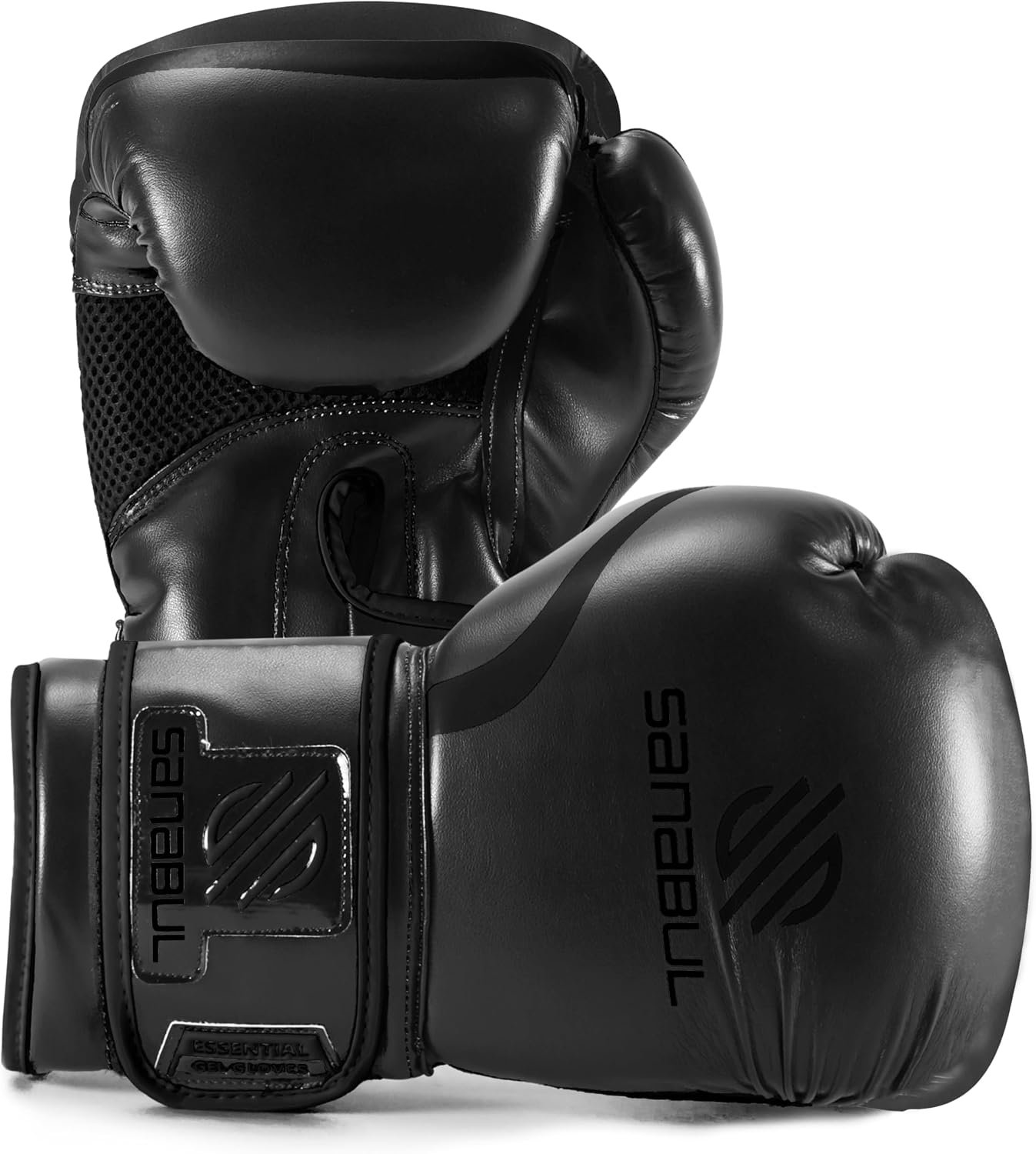
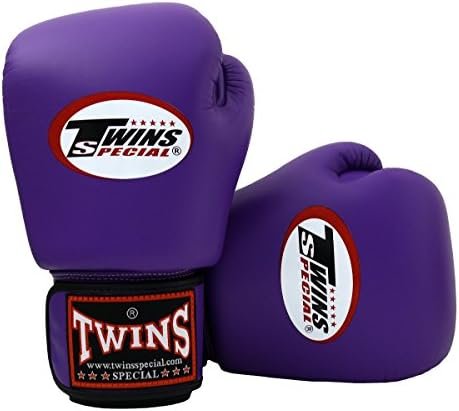
Sanabul Essential Gel
/10
✅ Pros
- Under $35 USD — best value on the market
- Gel-infused padding performs above its price
- Available in every standard size (8–16 oz)
- Multiple color options
❌ Cons
- Synthetic leather won’t last beyond 6–12 months of heavy use
- Wrist support is minimal
- Padding compresses faster than premium options
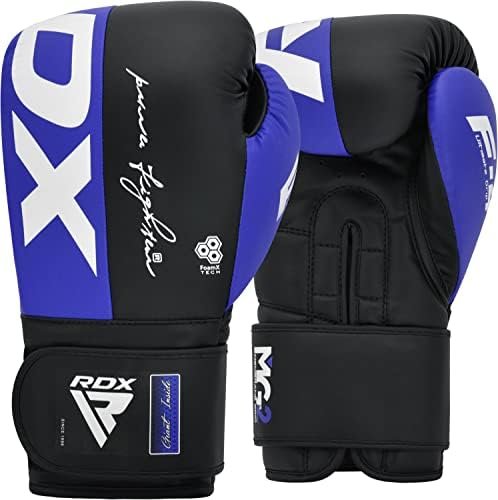
RDX F4
/10
✅ Pros
- Maya Hide leather is more durable than pure synthetics
- Good wrist support for the price ($45–$65 USD)
- Multi-layer padding system
- Wide size range available
❌ Cons
- Runs slightly large
- Break-in period for the leather
- Stitching can loosen with heavy use
Brand Sizing Comparison: Who Runs Big vs Small
Not all brands fit the same at a given oz weight. This matters — a 16 oz Hayabusa and a 16 oz Twins feel like completely different gloves on your hand.
| Brand | Sizing Tendency | Best For | Notes |
|---|---|---|---|
| Hayabusa | Runs small/snug | Narrow to average hands | Pre-curved design fits tighter. Size up if between sizes. |
| Twins Special | Runs big/generous | Wide hands, thick wraps | Most spacious hand compartment. Size down if you have slim hands. |
| Fairtex | Runs slightly small | Average to narrow hands | Tight fit breaks in over time. Thai-cut design. |
| Cleto Reyes | True to size | Average hands | Mexican-cut glove. Leather conforms to hand shape over time. |
| Venum | True to size | Average hands | Consistent sizing across models. |
| Winning | Runs slightly small | Average to narrow hands | Japanese construction — precision fit. Premium craftsmanship. |
| Rival | True to size | Average hands | US brand with consistent Western sizing. |
| RDX | Runs slightly large | Average to wide hands | Budget-friendly but generous sizing. |
| Sanabul | True to size | Average hands | Most accessible budget option. No surprises on fit. |
If you’re shopping for Hayabusa T3 vs Venum Elite, we’ve got a detailed head-to-head comparison, and for Muay Thai fighters who need shin protection too, check our best shin guards for Muay Thai guide.
Frequently Asked Questions
What size boxing gloves should a beginner get?
For most adult beginners, 12 oz or 14 oz gloves are ideal. If you weigh under 150 lbs, start with 12 oz for bag work. If you weigh over 150 lbs, go with 14 oz. For sparring, most gyms require 16 oz regardless of experience level.
What’s the difference between 12 oz and 16 oz boxing gloves?
The weight difference means more padding and more protection. 12 oz gloves are lighter and faster — better for bag work and drills. 16 oz gloves have significantly more padding — they’re safer for sparring and build more endurance during bag sessions. Most serious fighters own both.
Can I use the same gloves for bag work and sparring?
You can, but it’s not ideal. Bag work wears down padding faster, and worn-out padding is dangerous for your sparring partner. Dedicated sparring gloves last longer and provide consistent protection. If budget is tight, 14 oz gloves are the best compromise for both activities.
Should I buy leather or synthetic boxing gloves?
Genuine leather gloves (Cleto Reyes, Fairtex BGV1, Twins Special) last significantly longer and conform to your hand shape over time. Synthetic/PU leather gloves (Venum, Sanabul, RDX) are more affordable and require no break-in period but typically last 6–18 months with regular use versus 3–5+ years for quality leather.
Do hand wraps affect glove sizing?
Yes. Hand wraps add approximately 0.5″ to your hand circumference. Always try on gloves with your wraps applied. If you use thick Mexican-style wraps, you may need to size up in brands that run snug (Hayabusa, Fairtex). Quick wraps add less bulk than traditional wraps.
What oz gloves do professional boxers use?
Professional boxers typically fight in 8 oz or 10 oz gloves depending on weight class. Welterweight and below usually use 8 oz, while above welterweight uses 10 oz. However, for training, pros use 14–18 oz gloves to build endurance and protect their hands during camp.
How often should I replace my boxing gloves?
Replace gloves when the padding feels “bottomed out” — when you can feel impact through the foam. For synthetic gloves with regular use (3–4 times per week), this is typically 6–12 months. Quality leather gloves can last 2–5 years. Sparring gloves should be replaced sooner since compressed padding puts your partner at risk.
Are Winning gloves worth the price?
Winning gloves ($400+ USD) are considered the best training gloves in the world by many professional fighters and trainers. Their multi-layered foam provides unmatched hand protection. However, for most recreational fighters and beginners, gloves like the Hayabusa T3 ($170–$190 USD) offer 90% of the quality at half the price.