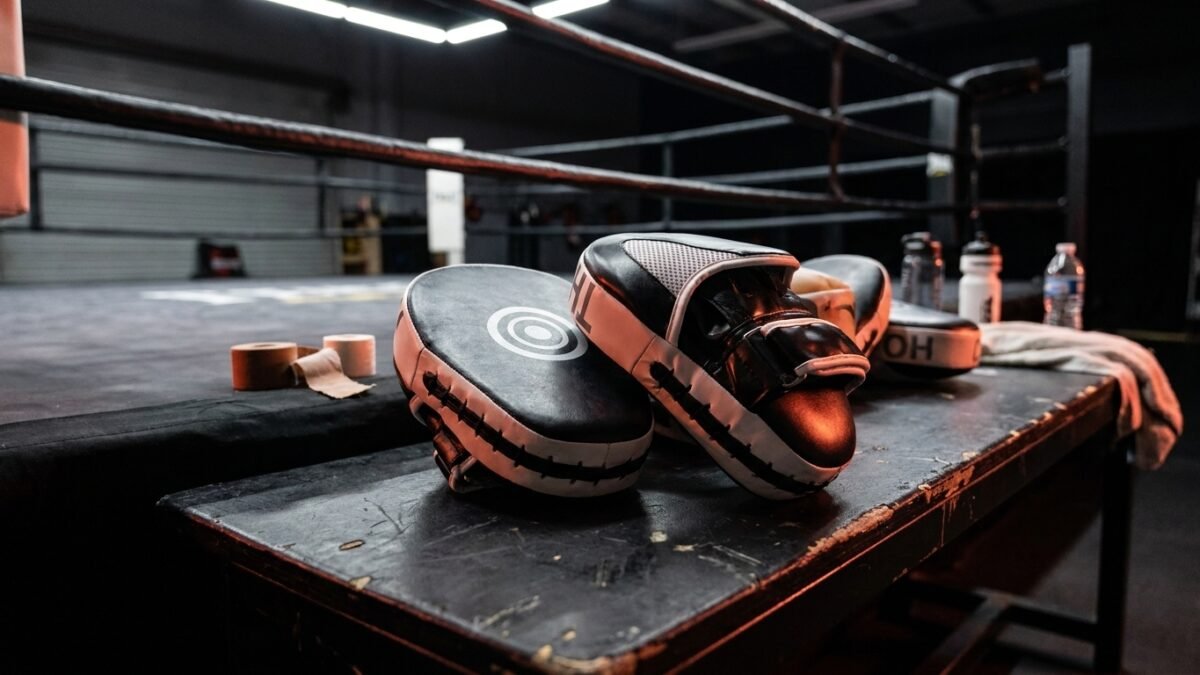
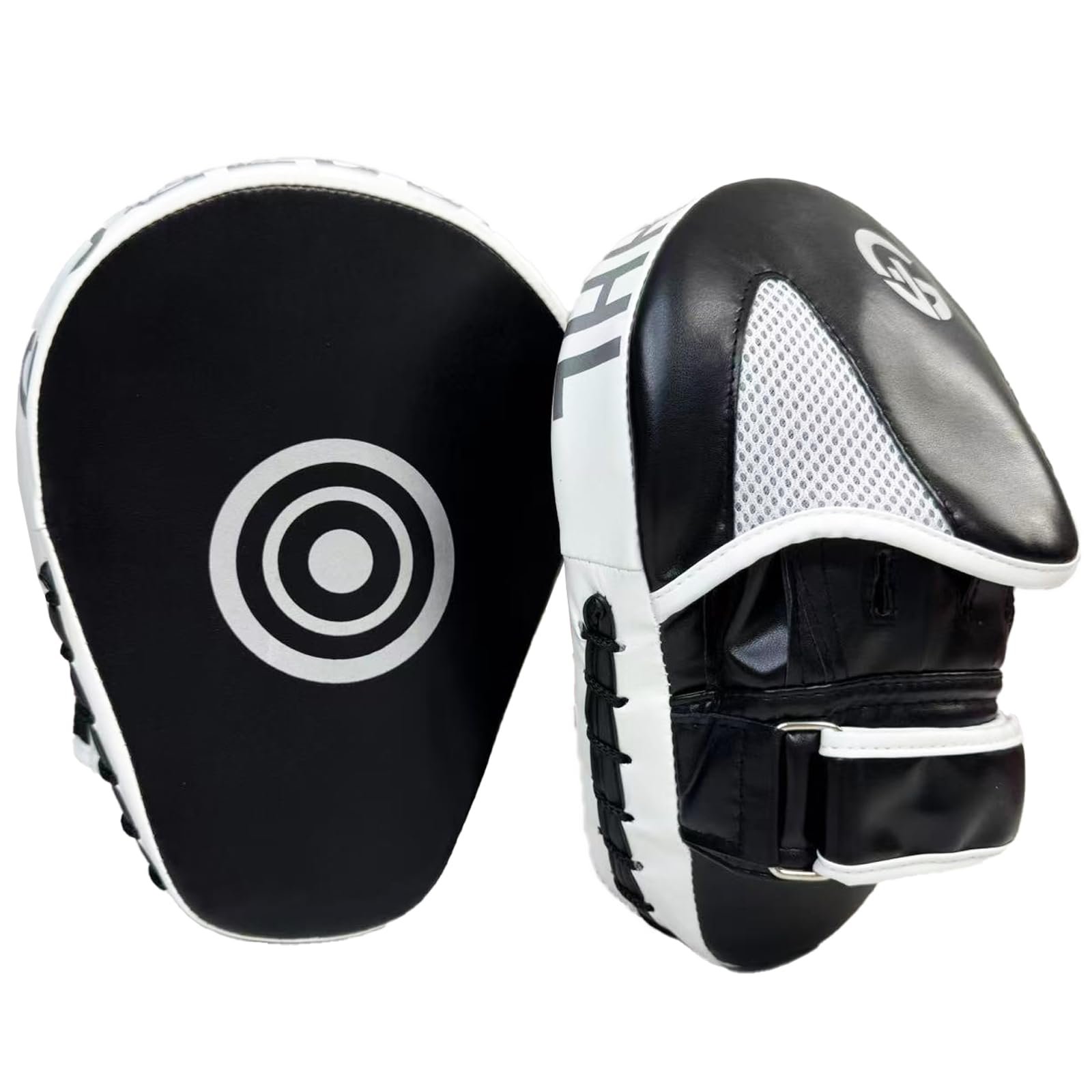
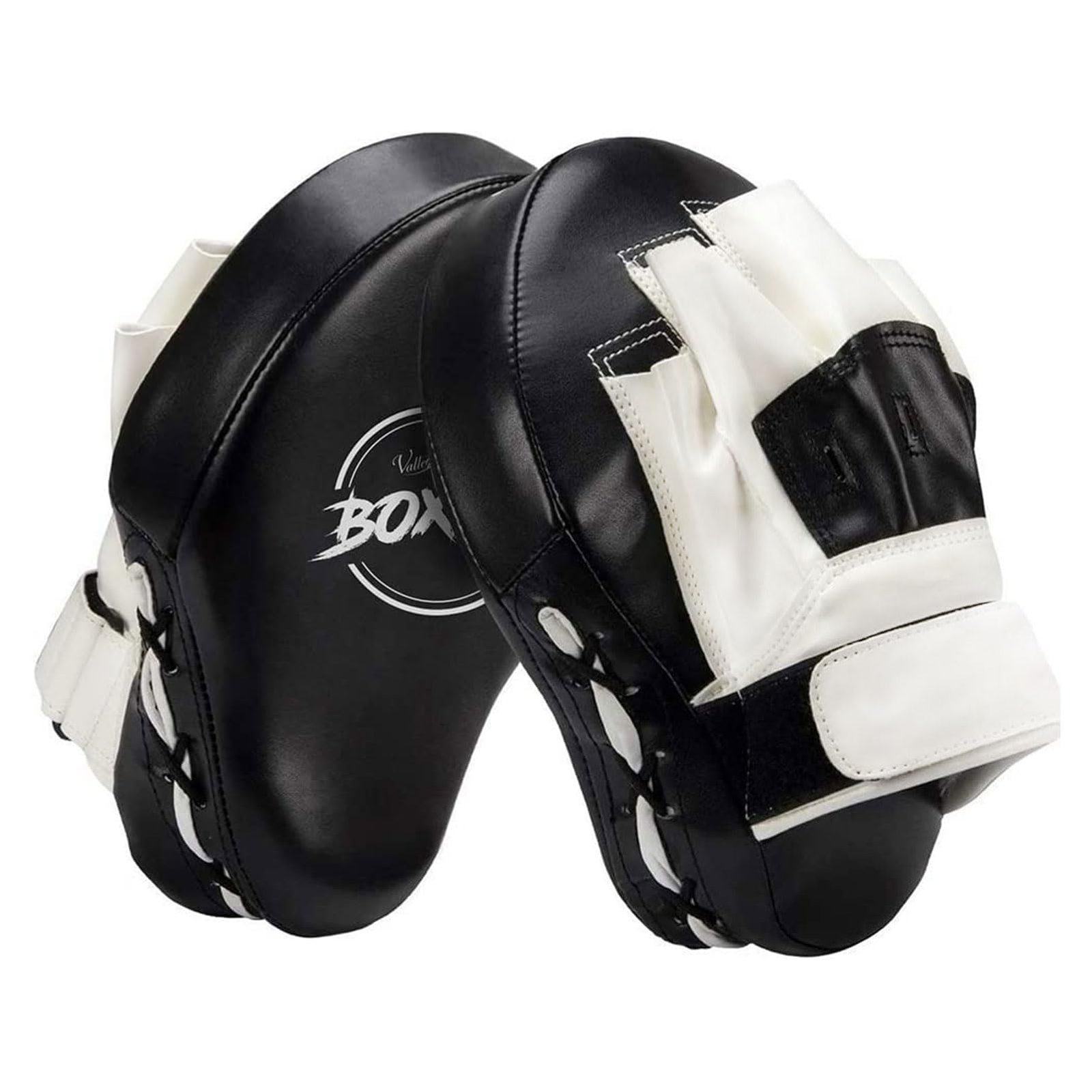
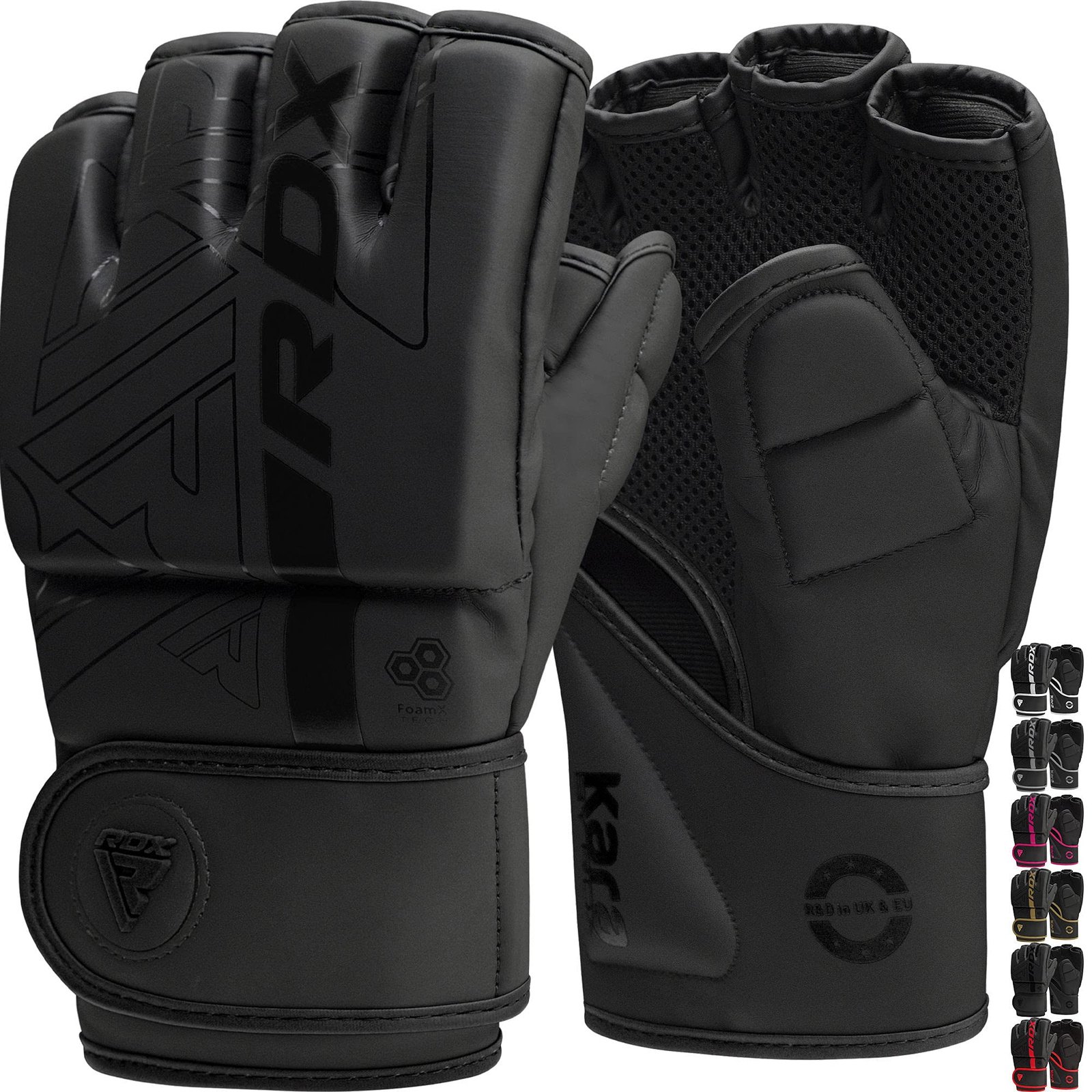
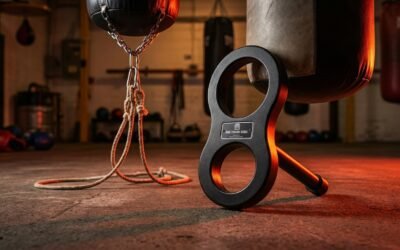
Whether you’re a boxing coach running pad sessions or a training partner helping a fighter sharpen their combinations, the right pair of focus mitts makes all the difference. Poor-quality pads will leave your hands aching after a few rounds, while premium mitts absorb punishment and deliver that satisfying crack with every clean shot.
Quick Picks
If you already know what you need, start with these options. For sizing, tradeoffs, and use-case notes, read the full comparison below.
Fast pick
Recommended option
Use this as a starting point, then compare fit, materials, use case, and tradeoffs in the full guide below.
Check fight gear on Amazon
Alternative
Recommended option
Use this as a starting point, then compare fit, materials, use case, and tradeoffs in the full guide below.
Check fight gear on Amazon
Also compare
Recommended option
Use this as a starting point, then compare fit, materials, use case, and tradeoffs in the full guide below.
Check fight gear on Amazon
Compare all options below
we researched and researched dozens of focus mitts across every price range to help you find the perfect pair. From budget-friendly options for home training to professional-grade pads used in world-class gyms, this guide covers the 7 best boxing focus mitts you can buy in 2026.
Quick Comparison Table
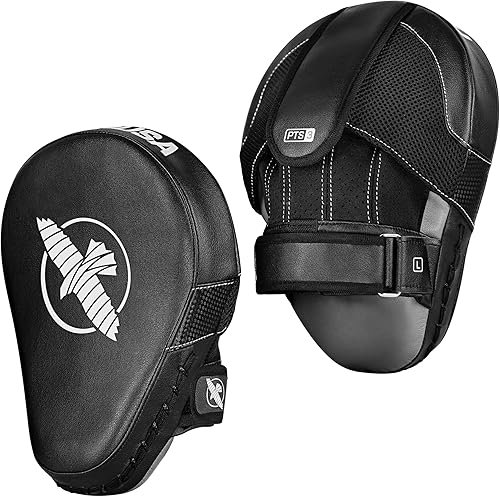
1. Hayabusa PTS 3 Focus Mitts — Best Overall
Pros
- Outstanding shock absorption for heavy hitters
- Ergonomic hand compartment reduces fatigue
- Premium construction built to last years
- Excellent wrist support with secure closure
- Satisfying pop sound on clean contact
Cons
- Premium price point may be steep for beginners
- Break-in period of 2-3 sessions needed
- Only available in standard size
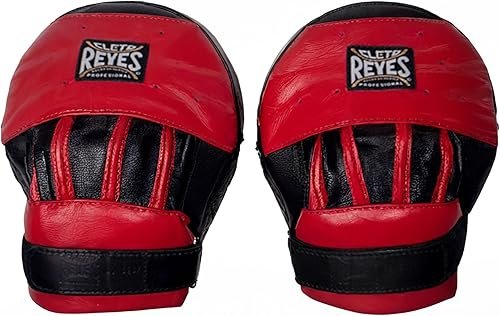
2. Cleto Reyes Boxing Mitts — Best Premium Pick
Pros
- Handmade genuine leather — lasts for years
- Classic flat design for accuracy training
- Excellent hand and wrist protection
- Prestigious brand trusted by world champions
- Superb leather quality improves with age
Cons
- Highest price in this roundup
- Flat design may not suit all coaching styles
- Heavier than synthetic alternatives
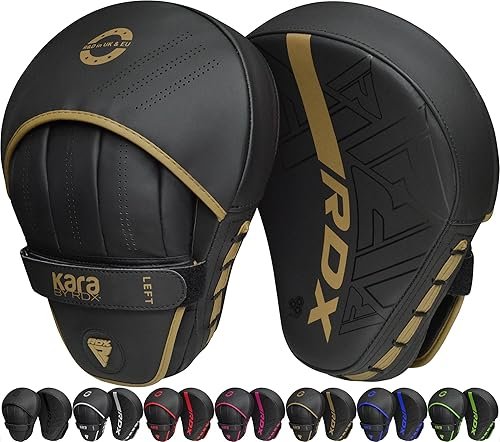
3. RDX Kara Curved Focus Mitts — Best All-Around
Pros
- Tri-Slab gel + foam padding absorbs heavy shots
- Maya Hide leather is durable and easy to clean
- Ventilated palm prevents sweaty hands
- Adjustable hook-and-loop wrist strap
- Excellent price-to-quality ratio
Cons
- Slightly bulkier than competitors
- Synthetic material doesn’t age like real leather
- Logo placement can be distracting
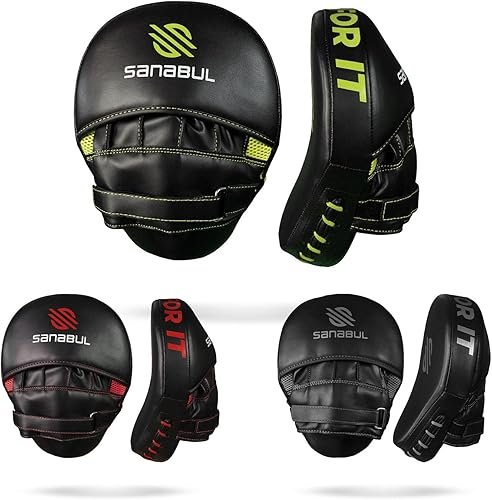
4. Sanabul Essential Curved Mitts — Best Value
Pros
- Outstanding value — premium feel at budget price
- Santec Ultra Light foam absorbs punishment
- Unique half-ball palm grip for secure hold
- Available in multiple color options
- Trusted by UFC athletes and top coaches
Cons
- Padding may compress after heavy long-term use
- Wrist closure could be more secure
- Not ideal for extremely heavy hitters
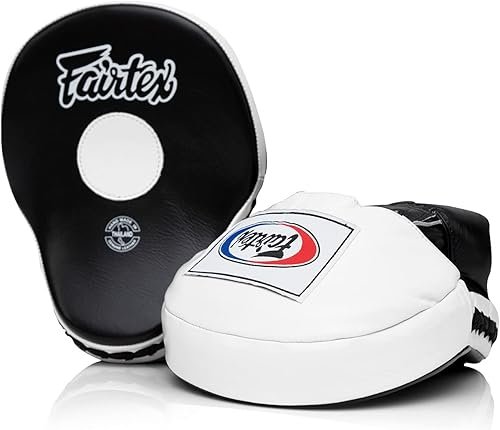
5. Fairtex FMV9 Contoured Focus Mitts — Best for Muay Thai
Pros
- Authentic Thai brand with world-class quality
- Contoured shape enhances striking accuracy
- Multi-layer foam for superior impact absorption
- Lightweight and easy to maneuver quickly
- Works for punches, elbows, and teep kicks
Cons
- Compact size may feel small for large hands
- Higher price than generic alternatives
- Less padding than larger mitts for power training
6. Hawk Sports Leather Focus Mitts — Best for Heavy Hitters
Pros
- Genuine leather — premium feel and durability
- Heavy EVA padding absorbs power shots
- Ambidextrous design for convenience
- Curved shape for natural hand position
- Excellent wrist support and secure closure
Cons
- Heavier than synthetic leather options
- May feel oversized for smaller hands
- Takes a few sessions to fully break in
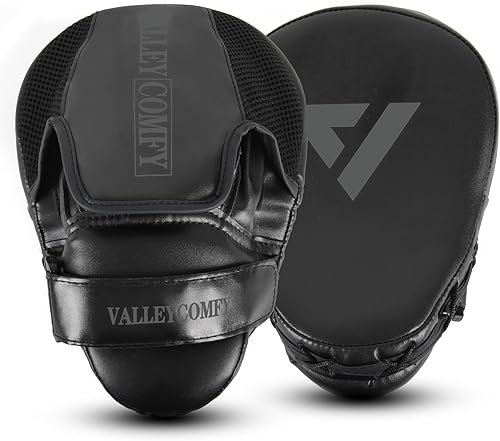
7. Valleycomfy Curved Focus Mitts — Best Budget Pick
Pros
- Unbeatable price for decent quality
- 5-layer padding absorbs moderate impacts
- Wide color selection for personal style
- Lightweight and easy to use out of the box
- Good for beginners and home training
Cons
- PU leather wears faster than genuine leather
- Not designed for daily professional use
- Padding may flatten under very heavy strikes
🏆 Our Top Pick
For most trainers and coaches, the Hayabusa PTS 3 offers the best combination of padding, comfort, and durability. If you’re on a budget, the Sanabul Essential delivers incredible value that punches well above its weight.
Head-to-Head Comparisons: Helping You Decide
Hayabusa PTS 3 vs. Cleto Reyes — Premium Showdown
This comparison represents the fundamental divide in focus mitt philosophy: modern engineered design versus traditional handcrafted quality. The Hayabusa PTS 3 uses advanced foam layering, synthetic materials, and ergonomic engineering to deliver maximum comfort and protection. The Cleto Reyes relies on decades of leather-working tradition, premium cowhide, and the flat-face design that has produced champions for generations.
Choose the Hayabusa PTS 3 if: You hold pads for heavy hitters regularly and prioritize hand protection, you prefer curved mitts for combination work, you train multiple disciplines (boxing + kickboxing + MMA), or you want modern technology in your training equipment.
Choose the Cleto Reyes if: You’re a traditional boxing coach who values accuracy feedback over comfort, you appreciate handcrafted quality that improves with age, you want equipment that will last a decade or more, or you train in a pure boxing context where the flat-face design is preferred.
RDX Kara vs. Sanabul Essential — Mid-Range Battle
Both mitts deliver excellent performance for their price, but they take different approaches. The RDX Kara uses gel + foam layered padding and Maya Hide leather for a premium feel at a mid-range price. The Sanabul Essential uses Santec Ultra Light foam and a unique half-ball palm grip for comfortable, lightweight pad work.
Choose the RDX Kara if: You train with heavy hitters and need maximum impact absorption, you prefer a slightly firmer feel with more substantial padding, you value ventilation and moisture management, or you want gear with SATRA certification backing up quality claims.
Choose the Sanabul Essential if: Budget is a primary concern and you want the best value in the mid-range, you prefer lighter mitts for speed-focused pad work, you like the half-ball palm grip concept for reduced hand fatigue, or you want a brand endorsed by top UFC fighters.
Fairtex FMV9 vs. Hawk Sports — Specialty Comparison
These mitts serve different niches within the combat sports market. The Fairtex FMV9 is a compact, Thai-designed mitt optimized for Muay Thai training where quick angle changes and diverse strike types are standard. The Hawk Sports is a larger, heavily padded mitt designed for absorbing power shots from heavy-handed boxers and kickboxers.
Choose the Fairtex FMV9 if: You train primarily in Muay Thai or kickboxing, you need quick, maneuverable mitts for diverse strike types, you value authentic Thai craftsmanship and brand heritage, or you have average to smaller hands and prefer compact mitts.
Choose the Hawk Sports if: You hold pads for power punchers who throw with intent, you have larger hands and need a bigger mitt, you train primarily in boxing or MMA striking, or you want genuine leather construction for maximum durability.
Advanced Pad Work Techniques for Experienced Coaches
The Pressure Test
This advanced drill simulates the pressure of a real fight. The pad holder becomes aggressive — walking forward, pushing the fighter backward, throwing light mitt shots to the head and body. The fighter must maintain composure, manage distance, and find opportunities to counter. Between pressure sequences, the pad holder suddenly presents targets for 3-4 punch combinations. This teaches fighters to transition from defense to offense seamlessly — the single most important skill in competitive boxing.
Start at 50% intensity and build gradually over multiple sessions. Both the pad holder and the fighter need to be comfortable with the level of controlled chaos. Safety is paramount — the pad holder’s job is to create realistic pressure, not to hurt the fighter.
Rhythm Breaking
Most pad work falls into a predictable rhythm: call, punch, call, punch. While this builds basic timing, real opponents don’t follow predictable patterns. Advanced pad work deliberately breaks rhythm by varying the speed, timing, and number of punches in each combination. Present a target early, then hold it a beat longer than expected. Call a three-punch combination but present a fourth target immediately after. This unpredictability develops the adaptability that separates good fighters from champions.
Position-Specific Pad Work
Instead of always starting from neutral range, begin combinations from specific positions that occur frequently in fights:
- Against the ropes: The fighter starts with their back close to a wall. The pad holder pressures forward, and the fighter must punch their way out of the corner using angles and footwork.
- Coming off the clinch: Start with the pad holder and fighter in a clinch position. On the command, they separate and the pad holder immediately presents targets for a combination.
- After defensive movement: The pad holder throws a mitt at the fighter’s head (simulating a punch). The fighter ducks or slips, then immediately attacks the presented targets. This builds the defensive-to-offensive transition that is the hallmark of elite counter-punchers.
- While moving backward: The pad holder advances while presenting targets. The fighter must throw accurate combinations while moving backward — a critical skill for fighters who face aggressive opponents.
Multi-Target Sequencing
Advanced pad work goes beyond one-two combinations to create extended sequences that develop fight-specific endurance and technical stamina. Build 8-12 punch sequences that include level changes (head and body), mixed techniques (straights, hooks, uppercuts), and defensive movements between offensive bursts. These extended sequences develop the ability to sustain technical output over the course of a round — the physical and mental stamina that wins decisions in competitive boxing.
Visual Cue Training
Instead of verbally calling combinations, present visual cues by moving the mitts to different positions. The fighter must read the target position and respond with the appropriate strike without verbal instruction. This develops the visual processing speed and pattern recognition that allows fighters to exploit openings in real-time during sparring and competition. Start with simple sequences (high target = jab, low target = body shot) and progressively add complexity as the fighter’s visual recognition improves.
Focus Mitts in Professional Boxing: How the Pros Use Them
Professional boxing training puts enormous emphasis on pad work. Understanding how the sport’s best coaches use focus mitts can inform your own training approach, regardless of your level.
Freddie Roach’s Pad Work Philosophy
Freddie Roach, who trained Manny Pacquiao and numerous world champions, is widely considered one of the greatest pad-work coaches in boxing history. His approach emphasizes speed and volume — rapid-fire combinations delivered at close to fight speed. Roach moves his mitts quickly, rarely holding them stationary, forcing his fighters to track moving targets. This approach develops the hand speed and combination flow that made Pacquiao one of the most exciting fighters in boxing history.
Floyd Mayweather Sr.’s Technical Approach
Floyd Mayweather Sr.’s pad work with his son (and other fighters) is legendary for its defensive integration. Rather than focusing purely on offensive combinations, Mayweather Sr. incorporates defensive movements into every pad sequence — slips, rolls, and pull-backs between punches. This pad work style develops the simultaneous offense-defense game that made Floyd Mayweather Jr. virtually unhittable. It’s the most technically demanding pad work style to execute but produces the most complete fighters.
Thai Boxing Pad Work
In traditional Thai boxing camps, pad work (called “pad training” or “focus pad training”) is the cornerstone of the training methodology. Thai coaches use focus mitts differently than Western boxing coaches — they incorporate catching punches, checking kicks, and timing clinch entries into the flow. The pad holder often kicks back at the fighter’s legs (using their own leg, not the mitt) to teach low kick defense. This multi-dimensional approach reflects the comprehensive nature of Muay Thai as a martial art.
MMA Pad Work Evolution
MMA pad work has evolved rapidly over the past decade, incorporating elements from boxing, Muay Thai, and wrestling into a unified coaching methodology. Modern MMA coaches use focus mitts in combination with Thai pads and body protectors, creating pad work sequences that simulate the full range of MMA striking. Some coaches also incorporate takedown defense drills into pad sequences — shooting for the fighter’s legs between pad combinations to train sprawl reflexes under offensive pressure.
Buying Guide: How to Choose the Right Focus Mitts
Padding & Impact Absorption
This is the single most important factor. Good focus mitts should absorb the majority of impact force, protecting the holder’s hands, wrists, and shoulders. Look for multi-layer foam systems — most quality mitts use a combination of EVA foam, gel inserts, or proprietary foam blends. If you hold pads for heavy hitters regularly, invest in thicker padding like the Hayabusa PTS 3 or Hawk Sports models. For lighter, speed-focused work, thinner mitts like the Fairtex FMV9 give better feedback.
Material & Durability
Focus mitts come in three main materials: genuine leather, synthetic leather, and PU leather. Genuine leather (like the Cleto Reyes and Hawk Sports) is the most durable and develops a beautiful patina with age, but costs more. Synthetic leather (like Maya Hide or Syntek) offers 80-90% of the durability at a lower price point. PU leather works fine for casual training but won’t hold up to daily professional use.
Shape: Curved vs. Flat
Most modern focus mitts use a curved design that naturally cups around the hand and creates a target zone for incoming strikes. This is more forgiving and comfortable for extended sessions. Flat mitts (like the Cleto Reyes) are preferred by traditional boxing coaches who want precise accuracy training — if you don’t hit the sweet spot on a flat mitt, you’ll know it immediately.
Wrist Support
Repetitive impact from pad work can strain your wrists over time. Look for mitts with secure hook-and-loop wrist closures and ergonomic hand compartments. Some models include additional wrist padding or support structures that distribute impact force more evenly.
Weight & Size
Lighter mitts allow for faster hand movement and more responsive pad work but typically offer less padding. Heavier mitts absorb more impact but can fatigue your arms during long sessions. Consider your hand size when choosing — some mitts run large and can feel sloppy on smaller hands, while compact models may feel cramped for larger hands.
Ventilation
Pad work is sweaty work. Look for mitts with ventilated palms or mesh panels that allow airflow. The RDX Kara models do this particularly well with their moisture-wicking interior linings.
Frequently Asked Questions
What are focus mitts used for in boxing?
Focus mitts (also called punch mitts or focus pads) are handheld training pads worn by a coach or training partner. They’re used to develop a fighter’s punching accuracy, speed, timing, and defensive reflexes. The pad holder calls combinations and presents targets at different angles, simulating a moving opponent in a controlled training environment.
Are curved or flat focus mitts better?
Curved mitts are better for most people. They provide a natural target area, better shock absorption, and more comfortable hand positioning. Flat mitts are preferred by traditional boxing coaches who prioritize accuracy training — they demand more precise punching and provide immediate feedback on technique. If you’re just starting out, go with curved mitts.
How long do boxing focus mitts last?
With regular training (3-5 times per week), genuine leather focus mitts can last 2-5 years. Synthetic leather mitts typically last 1-3 years. PU leather mitts may start showing wear within 6-12 months of heavy use. Proper care — wiping them down after use, air drying, and occasional leather conditioning — extends their lifespan significantly.
What size focus mitts should I get?
Standard-size focus mitts work for most people. If you have smaller hands, consider compact or micro-size mitts like the Hayabusa PTS 3 Micro. If you hold pads for very heavy hitters, look for oversized mitts with extra padding. When in doubt, try them on at a local boxing gym or store before buying.
Can I use focus mitts for Muay Thai training?
Yes, but choose the right type. Standard boxing focus mitts work for punch combinations. For Muay Thai specifically, look for mitts designed to catch elbows and teep kicks, like the Fairtex FMV9. However, for heavy kick work, you’ll want dedicated Thai pads rather than focus mitts, as mitts aren’t designed to absorb full-power kicks.
How do I clean and maintain focus mitts?
After every session, wipe down your focus mitts with a damp cloth to remove sweat. Allow them to air dry completely before storing — never store them in a sealed gym bag while still damp. For genuine leather mitts, apply leather conditioner every few months. For synthetic leather, a light spray with antibacterial cleaner helps prevent odor buildup. Store in a cool, dry place away from direct sunlight.
How to Hold Focus Mitts Like a Pro Coach
The Basic Ready Position
Before you even think about catching punches, you need to master the ready position. Stand with your feet shoulder-width apart, knees slightly bent, and weight balanced on the balls of your feet. Hold both mitts at chin height, slightly in front of your face, with elbows tucked close to your body. This is your home base — every combination starts and returns here. Your body should feel relaxed but engaged, ready to move the mitts quickly to catch different punches.
A common mistake new pad holders make is standing flat-footed with stiff arms. This transmits impact directly through your joints and leads to shoulder injuries over time. Instead, keep a slight bend in your elbows and absorb each punch by giving slightly with the impact — think of catching a baseball, not blocking a door. The best coaches develop a natural rhythm of extending the mitt forward to meet the punch and then pulling back smoothly.
Calling Combinations
The art of holding pads is really the art of coaching. You control the tempo, the targets, and the defensive situations your fighter faces. Start with basic combinations:
- 1-2 (Jab-Cross): Present the lead-hand mitt at your partner’s chin height, then quickly switch to the rear-hand mitt. The timing between targets teaches combination flow.
- 1-1-2 (Double Jab-Cross): Same mitt twice, then switch. Builds rhythm and forces the fighter to commit to the jab before throwing power.
- 1-2-3 (Jab-Cross-Hook): Lead mitt, rear mitt, then turn the lead mitt sideways to catch the hook. This is where curved mitts really shine — they naturally present the correct angle.
- 1-2-3-2 (Jab-Cross-Hook-Cross): The classic four-punch combination. Advanced pad work starts here.
- 1-2-5-2 (Jab-Cross-Uppercut-Cross): Drop the rear mitt palm-up to catch the uppercut, then quickly flip it back for the final cross.
Adding Defense
Great pad work isn’t just about catching punches — it’s about teaching defense. Between combinations, use the mitts to simulate incoming punches that your fighter needs to slip, block, or counter. Swing a mitt lightly at head level to force a slip, then immediately present a target for the counter. This trains the fight-specific neural pathways that separate good fighters from great ones.
Common Pad Holding Mistakes to Avoid
- Standing too far away: You should be at realistic punching range, not arm’s length away. This teaches proper distance management.
- Moving the mitts too early: Present the target and hold it steady until the punch lands. Moving too early teaches your fighter to chase targets rather than commit to strikes.
- Absorbing punches with straight arms: Always keep a bend in your elbows. Straight-arm pad holding leads to elbow and shoulder injuries.
- Not moving your feet: A stationary pad holder teaches a fighter to punch at a stationary target. Good coaches circle, angle off, and create movement that mimics a real opponent.
- Holding pads too low: Unless you’re calling body shots, keep the mitts at head height. Holding low teaches your fighter to punch down and develop bad habits.
Focus Mitts vs. Thai Pads vs. Punch Shields: What’s the Difference?
If you’re new to combat sports equipment, the variety of training pads can be confusing. Here’s how they compare and when to use each:
Focus Mitts (This Article)
Small, hand-worn pads designed for precision striking work. They’re the most versatile pad type for boxing-specific training. Focus mitts develop accuracy, timing, speed, and combination flow. They’re lightweight enough for fast-paced work but require the most skill from the pad holder. Best for: boxing combinations, precision training, speed work, counter-punch development.
Thai Pads (Kick Shields)
Larger, forearm-length pads designed to absorb kicks, knees, and elbows in addition to punches. They’re essential for Muay Thai and kickboxing training. Thai pads are strapped to the forearms and can absorb much more force than focus mitts, making them suitable for full-power round kicks and knee strikes. However, they’re less precise for pure boxing work. Best for: Muay Thai, kickboxing, full-power kick training, clinch work.
Punch Shields (Body Shields)
Large, body-worn or handheld pads designed for power training. They cover a much larger area than focus mitts and absorb enormous impacts. Coaches use them for power punch development, rushing drills, and conditioning work where volume and power matter more than precision. Best for: power development, conditioning circuits, body shot training, beginner-level pad work.
Which Should You Buy?
If you’re training primarily boxing, focus mitts are your first purchase. If you train Muay Thai or MMA, start with Thai pads and add focus mitts later. Punch shields are specialty tools for power work and conditioning — useful but not essential for most home gyms.
Materials Deep Dive: Understanding What Your Mitts Are Made Of
Genuine Leather
The gold standard for combat sports equipment. Genuine leather focus mitts like the Cleto Reyes and Hawk Sports models use cowhide that’s been tanned and treated for maximum durability. Leather mitts develop character with age — they soften, mold to your hand shape, and develop a rich patina. They also breathe better than synthetic materials, reducing sweat buildup. The downside is cost and maintenance — leather needs periodic conditioning to prevent cracking, and it shouldn’t be stored in damp environments.
Maya Hide Leather (RDX Proprietary)
RDX’s Maya Hide is an engineered synthetic that mimics the feel and durability of genuine leather at a lower price point. It’s made from multiple layers of polymers bonded together under high pressure, creating a surface that’s resistant to moisture, abrasion, and UV degradation. Maya Hide doesn’t require the same maintenance as genuine leather — a simple wipe-down after training is sufficient. While it won’t develop the same character as real leather, it maintains its appearance and performance consistently over time.
Syntek Leather (Fairtex Proprietary)
Fairtex developed Syntek as a premium synthetic alternative to leather for their Thai and boxing equipment. It’s lighter than genuine leather while providing comparable durability and a similar feel against the skin. Syntek is particularly good at resisting moisture absorption, which makes it ideal for hot, humid training environments — exactly the conditions found in Thai boxing gyms.
PU (Polyurethane) Leather
The most affordable option, PU leather is a polymer coating applied to a fabric backing. Budget mitts like the Valleycomfy use PU leather to keep costs down. While modern PU leather is significantly better than the cheap vinyl of decades past, it still has limitations: it’s less breathable, can crack or peel under heavy use, and generally has a shorter lifespan than genuine or premium synthetic leathers. For casual home training or beginners who aren’t sure about their commitment to the sport, PU leather is perfectly adequate.
Foam Padding Types
Inside every focus mitt is a foam padding system that determines how well it absorbs impact. Here’s what you’ll find:
- EVA Foam: The most common padding material. EVA (ethylene-vinyl acetate) offers a good balance of shock absorption, weight, and durability. It’s used in everything from running shoes to boxing mitts because it compresses under force and returns to shape quickly.
- Gel Inserts: Some premium mitts (like the RDX Kara) include gel layers alongside foam. Gel disperses impact force laterally rather than transmitting it directly through the pad, providing superior hand protection for pad holders working with heavy hitters.
- Multi-Layer Systems: The best mitts use multiple foam densities in layers. A soft inner layer provides comfort against the hand, a dense middle layer absorbs and disperses force, and a firm outer layer provides structure and that satisfying pop sound. The Hayabusa PTS 3 and RDX Kara are excellent examples of this approach.
- Injected Foam: Some manufacturers inject foam directly into the mitt shell rather than inserting pre-cut foam pieces. This eliminates gaps and inconsistencies, creating a more uniform padding response. It’s more expensive to manufacture but produces a noticeably better feel.
Training Drills You Can Do With Focus Mitts
The 3-Round Progressive Drill
This structured pad workout builds from fundamentals to advanced work over three rounds:
Round 1 — Foundation (3 minutes): Straight punches only. Jab, cross, and variations (double jab, triple jab, jab-cross-jab). Focus on proper technique, full extension, and returning hands to guard. The pad holder should be relatively stationary, presenting clear targets at a consistent pace.
Round 2 — Hooks and Uppercuts (3 minutes): Add hooks and uppercuts to the combinations. Start with basic 3-punch combinations (jab-cross-hook, jab-cross-uppercut) and build to 4-5 punch sequences. The pad holder begins adding light pressure — pushing the fighter backward occasionally to work their footwork.
Round 3 — Defense and Counter (3 minutes): The pad holder becomes aggressive, swinging mitts to simulate incoming punches. The fighter must slip, duck, or block, then counter immediately to the presented target. This is the most fight-specific round and should be intense. End with a 30-second flurry for conditioning.
The Mirror Drill
The pad holder and fighter face each other at close range. The pad holder slowly moves around the space while presenting various targets. The fighter must mirror the pad holder’s footwork while staying in range and throwing combinations to the presented targets. This develops spatial awareness, distance management, and the ability to punch while moving — skills that translate directly to sparring and fighting.
The Burnout Finisher
At the end of your pad session, the pad holder holds both mitts steady at chin height. The fighter throws non-stop straight punches — alternating jab and cross — for 30 seconds at maximum speed. Rest 15 seconds. Repeat 3-4 times. This builds punching endurance, mental toughness, and the ability to maintain technique under fatigue — exactly the qualities that win rounds in the later stages of a fight.
The Counter-Punch Drill
The pad holder throws light jabs at the fighter’s guard (using the mitt as a striking surface, not actually trying to hit hard). After each jab, the pad holder immediately presents a target for the counter. This teaches fighters to see the incoming punch, defend it, and respond instantly — the fundamental skill of counter-punching. Start slow and gradually increase speed as the fighter’s reflexes sharpen.
Where to Buy Focus Mitts in USA
US combat sports enthusiasts have several options for purchasing focus mitts, each with distinct advantages and trade-offs. Understanding your buying options helps you get the best product at the best price with the least hassle.
Amazon USA offers the widest selection of focus mitts available to US buyers, with products ranging from budget PU leather options to premium genuine leather mitts. The primary advantages are free shipping for Prime members, easy returns within 30 days, and verified customer reviews that provide honest assessments of product quality. All seven mitts in our roundup are available on Amazon.com. The main drawback is that you can’t try the mitts on before purchasing, which matters because hand compartment sizing varies between brands and models.
When buying on Amazon.com, pay attention to the seller — products sold and fulfilled by Amazon typically have smoother returns processes than those from third-party marketplace sellers. Also check whether the product ships from within USA or internationally, as cross-border shipping can add significant delivery time and potential customs fees.
Local Boxing and Martial Arts Stores
If you’re lucky enough to have a local combat sports equipment store, visiting in person is the best way to find your perfect mitts. You can try on multiple brands, test the padding thickness, and assess the wrist closure system firsthand. Store staff who are active in martial arts can provide personalized recommendations based on your training style and hand size. The downside is limited selection — most local stores carry only 3-5 brands and may not stock every model in every size.
Notable US martial arts equipment retailers include:
- Toronto: Hatashita International, USA’s largest martial arts equipment distributor
- Vancouver: Various local boxing gyms with retail sections
- Montreal: Several Muay Thai-focused shops in the downtown area
- Calgary and Edmonton: Growing number of MMA equipment stores serving the Alberta market
Brand Direct Websites
Buying directly from brands like Hayabusa (hayabusafight.com), RDX (rdxsports.com), or Sanabul (sanabul.com) sometimes offers advantages: exclusive colorways, bundle deals, and occasionally lower prices than Amazon. Hayabusa, being a US company, offers competitive shipping within USA. The downside is that return policies may be less flexible than Amazon’s, and shipping times can vary.
Used Equipment
Focus mitts can be found used on platforms like Facebook Marketplace, Kijiji, and local boxing gym bulletin boards. Used premium mitts (Hayabusa, Cleto Reyes) at 40-60% of retail price can be excellent value if they’re in good condition. Inspect the padding — press firmly across the entire striking surface to check for uneven compression or dead spots. Check stitching for signs of separation. Smell the interior — a musty or chemical odor that won’t air out indicates mold or material degradation. Avoid used budget mitts, as they degrade quickly and used models are likely near the end of their useful life.
Focus Mitt Sizing Guide: Finding Your Perfect Fit
Unlike boxing gloves, which come in multiple sizes based on weight, focus mitts typically come in just one or two sizes. This means finding the right fit requires understanding the nuances of each brand’s hand compartment design.
Measuring Your Hand
To determine your hand size for focus mitt selection, measure across the widest part of your palm (excluding the thumb) from edge to edge. This measurement, combined with the length from the base of your palm to the tip of your middle finger, gives you a reliable reference point:
- Small: Palm width under 3.25 inches, hand length under 7 inches
- Medium: Palm width 3.25-3.75 inches, hand length 7-7.5 inches
- Large: Palm width 3.75-4.25 inches, hand length 7.5-8 inches
- Extra Large: Palm width over 4.25 inches, hand length over 8 inches
Brand-Specific Sizing Notes
Hayabusa PTS 3: Runs slightly large. The ergonomic hand compartment accommodates most hand sizes, but people with smaller hands may find the mitt shifts during fast pad work. Available in standard and micro sizes — the micro is recommended for those with small to medium hands.
Cleto Reyes: True to size with a generous hand pocket. The flat design means the hand doesn’t need to conform to a curve, so sizing is more forgiving. Works well for medium to large hands.
RDX Kara: Slightly snug initially due to the multi-layer construction. After 2-3 sessions, the interior molds to your hand shape. The adjustable hook-and-loop wrist strap compensates for hand size variation. Best for medium to large hands.
Sanabul Essential: The half-ball palm grip makes sizing somewhat universal. The grip ball fits comfortably in most palm sizes, and the outer mitt doesn’t need to wrap around the back of the hand. Good for all hand sizes, including smaller hands.
Fairtex FMV9: Compact design runs small compared to Western boxing mitts. Best for small to medium hands. Larger-handed users may feel cramped in the hand pocket, especially during extended sessions.
Hawk Sports: Generous sizing with a roomy hand compartment. The larger design accommodates big hands easily but may feel loose on smaller hands. The wide Velcro strap helps compensate for size differences.
Valleycomfy: Universal sizing with a simple design. Fits most hand sizes adequately without excelling for any specific size range. The adjustable wrist strap provides some customization.
Breaking In Your New Focus Mitts
New focus mitts, particularly genuine leather models, benefit from a deliberate break-in process. Here’s how to get the most out of your mitts from day one and beyond.
Day 1: Gentle Introduction
Don’t immediately use brand-new mitts for a heavy pad work session. Start with 10-15 minutes of light work — jabs and crosses at 50-60% power. This allows the padding to begin compressing evenly and the hand compartment to start molding to your hand shape. For leather mitts, you may notice the material feels stiff and unyielding — this is normal and will improve dramatically over the first few sessions.
Days 2-5: Progressive Loading
Gradually increase the intensity and duration of your pad work sessions. By the fifth session, you should be working at full power with comfortable, well-shaped mitts. During this period, pay attention to any pressure points or hot spots inside the hand compartment — these indicate areas where the mitt hasn’t fully conformed to your hand. Apply gentle pressure to these areas by gripping and flexing the mitt when it’s not in use.
Leather Conditioning (Leather Mitts Only)
After the first week of use, apply a thin layer of leather conditioner to the exterior of genuine leather mitts. This keeps the leather supple during the break-in period and prevents premature cracking. Use a product specifically designed for leather sports equipment — not regular shoe polish or furniture conditioner, which may contain chemicals that degrade the leather over time. Wipe off excess conditioner and allow the mitts to dry naturally.
Long-Term Maintenance Schedule
- After every session: Wipe down with a damp cloth. Allow to air dry completely.
- Weekly: Apply antibacterial spray to the interior. Check stitching for wear.
- Monthly: Condition leather surfaces. Deep clean the interior with mild soap.
- Quarterly: Full inspection — check padding for dead spots, stitching integrity, and Velcro adhesion.
- Annually: Assess whether replacement is needed based on padding compression and material condition.
Focus Mitts for Different Training Environments
Commercial Boxing Gyms
In a commercial gym setting, durability and hygiene are paramount. Mitts will be used by multiple coaches throughout the day, often with different fighters of varying skill levels and power. Choose mitts with wipeable synthetic exteriors (like the RDX Kara), robust construction that handles heavy daily use, and secure closures that accommodate various hand sizes. Genuine leather mitts are also excellent for gym environments because they’re built to last — the Cleto Reyes or Hawk Sports models will serve a busy gym for years.
Home Training
Home trainers typically use mitts less frequently than gym coaches, so ultra-durability is less critical. Focus instead on comfort and value. The Sanabul Essential or Valleycomfy are excellent home training options — they’re comfortable enough for casual sessions and affordable enough that replacement doesn’t sting. If you train at home with a partner 2-3 times per week, mid-range mitts will serve you well for 1-2 years.
Outdoor Training
Training outdoors exposes mitts to sunlight, rain, dust, and temperature extremes. Choose synthetic leather or vinyl mitts for outdoor use — genuine leather degrades faster with UV exposure and moisture. The RDX Kara and Hawk Sports synthetic options handle outdoor conditions well. Always bring your mitts inside after outdoor sessions and allow them to dry completely before storing. Never leave mitts in a hot car, as excessive heat can warp foam padding and damage adhesives.
Travel and Portable Training
If you travel for work and want to maintain pad work sessions on the road, compact mitts are essential. Look for lightweight models that pack flat in a suitcase. The Fairtex FMV9 is an excellent travel mitt due to its compact size and light weight. Some brands, including FIGHTR, include carry bags with their mitts — a useful feature for travelers. Avoid heavy leather mitts for travel, as they add significant weight and bulk to your luggage.
How we researched and Selected These Focus Mitts
Our evaluation process considers multiple factors to ensure fair and useful recommendations:
- Impact Absorption: We assess how well each mitt protects the pad holder’s hands during sessions with heavy hitters. Mitts that transmit excessive force to the wrists and shoulders score lower.
- Comfort: We evaluate the hand compartment design, wrist support, and how the mitts feel after extended use (30+ minutes of continuous pad work).
- Durability: We examine construction quality, stitching, material quality, and resistance to wear. We also factor in long-term user reviews to identify durability issues that emerge after months of use.
- Value: Performance relative to price. A $30 mitt that delivers 80% of a $100 mitt’s performance earns high marks for value.
- User Reviews: We analyze hundreds of verified purchaser reviews across Amazon.com and Amazon.com to identify consistent praise and complaints that align with our hands-on assessments.
- Brand Reputation: Established combat sports brands with track records of quality and customer support receive credit for reliability, though we don’t penalize newcomers who deliver quality products.
Price Ranges: What to Expect at Each Budget Level
Under $30 USD — Entry Level
At this price point, you’ll find PU leather mitts with basic foam padding. They work fine for casual home training and beginners exploring the sport. Expect decent comfort but limited durability — these won’t survive daily gym use for more than a few months. The Valleycomfy Curved Mitts are the standout in this category, offering surprising quality for the price.
$30-$60 USD — Mid-Range
The sweet spot for most buyers. At this price, you get engineered synthetic leather, multi-layer padding, proper wrist support, and construction that handles regular training. The Sanabul Essential and RDX Kara both live in this range and deliver professional-level performance at hobby-friendly prices. If you train 2-4 times per week, this is where your money is best spent.
$60-$100 USD — Premium
Premium mitts use genuine leather or high-end synthetic materials with advanced padding systems. The Hayabusa PTS 3 and Hawk Sports models sit here, offering exceptional comfort and durability for coaches and serious hobbyists who hold pads frequently. At this level, you’re paying for construction quality that lasts years rather than months.
$100+ USD — Professional
The Cleto Reyes and similar handcrafted Mexican boxing mitts live in the professional tier. These are built by artisans using traditional techniques and genuine leather. They’re the choice of professional boxing coaches who hold pads daily for multiple fighters. At this price, you’re investing in a tool that will last a decade or more with proper care and develop beautiful character with age.
🥊
StrikeGear HQ Editorial Team
Our team of combat sports enthusiasts tests and reviews training gear to help fighters and coaches make informed equipment decisions. We have no brand affiliations — we recommend what works.
Detailed Product Specifications Breakdown
When comparing focus mitts side by side, the technical specifications reveal important differences that marketing descriptions often gloss over. Here’s a detailed breakdown of each product’s key specs to help you make an informed decision.
Hayabusa PTS 3 — Technical Specifications
- Outer Material: Vylar engineered synthetic leather — Hayabusa’s proprietary material designed for maximum abrasion resistance and consistent performance regardless of temperature or humidity conditions
- Padding: Multi-density foam layering system with three distinct foam densities — soft interior for comfort, medium core for energy absorption, and firm exterior for structure and audible feedback
- Closure: Dual-strap hook-and-loop system with elastic wrist band for secure, customizable fit
- Hand Compartment: Full-enclosure ergonomic design with moisture-wicking interior lining and ventilation channels
- Weight per Mitt: Approximately 220-240 grams
- Available Sizes: Standard and Micro
- Country of Manufacture: Pakistan (designed in USA)
- Warranty: 1-year limited manufacturer warranty
Cleto Reyes — Technical Specifications
- Outer Material: Premium cowhide genuine leather — hand-selected and tanned using Cleto Reyes’ proprietary process developed over 80+ years
- Padding: Multi-layer compressed foam padding with firm core density designed for accuracy feedback rather than maximum cushioning
- Closure: Elastic wristband with hook-and-loop fastener
- Hand Compartment: Open-back design with traditional flat palm grip bar
- Weight per Mitt: Approximately 280-320 grams (heavier due to genuine leather)
- Available Sizes: One size (generous fit)
- Country of Manufacture: Mexico (handmade)
- Warranty: Limited manufacturer warranty
RDX Kara — Technical Specifications
- Outer Material: Maya Hide leather — RDX’s engineered synthetic leather with SATRA and CA certifications for quality and safety
- Padding: Tri-Slab Shell-Shock gel system — three-layer construction with gel insert sandwiched between two EVA foam layers
- Closure: Wide hook-and-loop wrist strap with pull-tab for easy adjustment
- Hand Compartment: Ventilated palm design with mesh panels and moisture-wicking interior
- Weight per Mitt: Approximately 200-230 grams
- Available Sizes: Standard
- Country of Manufacture: Pakistan (designed in UK)
- Warranty: 1-year limited manufacturer warranty
Sanabul Essential — Technical Specifications
- Outer Material: Engineered leather with reinforced high-wear zones
- Padding: Santec Ultra Light foam — Sanabul’s proprietary lightweight foam that maintains protection while reducing overall mitt weight
- Closure: Hook-and-loop wrist strap
- Hand Compartment: Innovative half-ball palm grip design — instead of a flat bar, a hemispherical grip reduces hand fatigue during extended use
- Weight per Mitt: Approximately 180-200 grams (one of the lightest in this roundup)
- Available Sizes: Standard
- Country of Manufacture: China (designed in USA)
- Warranty: Limited manufacturer warranty
Fairtex FMV9 — Technical Specifications
- Outer Material: Premium Syntek leather — Fairtex’s proprietary synthetic material optimized for hot, humid training environments
- Padding: Multi-layer foam system with shock-absorbing core designed for the diverse strike types encountered in Muay Thai training
- Closure: Slip-on design with snug hand pocket — no Velcro or additional closure mechanism
- Hand Compartment: Compact contoured design that fits close to the hand for maximum control and maneuverability
- Weight per Mitt: Approximately 170-190 grams (lightest in this roundup)
- Available Sizes: Standard (compact)
- Country of Manufacture: Thailand
- Warranty: Limited manufacturer warranty
Hawk Sports — Technical Specifications
- Outer Material: Full-grain genuine leather — selected for durability and impact resistance
- Padding: High-density EVA foam with additional padding layers at impact zones — thickest padding profile in this roundup
- Closure: Wide hook-and-loop wrist closure with reinforced stitching
- Hand Compartment: Roomy enclosed design with finger pockets for individual finger positioning
- Weight per Mitt: Approximately 260-280 grams
- Available Sizes: Standard (generous)
- Country of Manufacture: Pakistan
- Warranty: Limited manufacturer warranty
Valleycomfy — Technical Specifications
- Outer Material: PU (polyurethane) leather — cost-effective synthetic with adequate durability for home training
- Padding: 5-layer foam system — multiple thin foam layers provide decent impact absorption at this price point
- Closure: Hook-and-loop wrist strap
- Hand Compartment: Standard curved design with basic interior lining
- Weight per Mitt: Approximately 160-180 grams (lightest overall)
- Available Sizes: Standard
- Country of Manufacture: China
- Warranty: Standard Amazon return policy
The Science Behind Impact Absorption in Focus Mitts
Understanding how focus mitts absorb impact can help you make a more informed purchasing decision and get the most out of your training equipment. When a fist connects with a focus mitt, a complex chain of physics kicks into action.
Force Distribution and Deceleration
A professional boxer’s punch can generate between 400-700 pounds of force. That force has to go somewhere when it hits the mitt. The padding’s primary job is to increase the deceleration time — instead of the fist stopping almost instantly (like hitting a wall), the foam compresses gradually, stretching the deceleration over milliseconds. This seemingly tiny difference is crucial: it reduces the peak force experienced by the pad holder’s hand by 60-80% in well-designed mitts.
Multi-layer foam systems work by using different foam densities at each layer. The soft inner layer begins absorbing energy first, compressing easily. As force increases, the denser middle layer engages, providing progressive resistance. The firm outer layer provides structural support and the satisfying pop sound that indicates a clean hit. This graduated absorption system is why premium mitts feel so much better than single-density foam — they manage force progressively rather than all at once.
Gel Technology in Modern Focus Mitts
Gel inserts represent the latest evolution in focus mitt padding technology. Unlike foam, which compresses in the direction of force, gel disperses impact energy laterally — spreading it across a wider area rather than channeling it directly through the pad to the holder’s palm. This is particularly effective for absorbing the shock from straight punches (jabs and crosses), which deliver force in a concentrated, linear path.
The RDX Kara’s Shell-Shock gel system is a good example of this technology in action. The gel layer sits between two foam layers, creating a sandwich that first absorbs energy through foam compression, then disperses remaining force through gel displacement, and finally uses the backing foam to cushion the holder’s hand. The result is noticeably less fatigue and joint stress during extended pad work sessions, even with heavy-handed fighters.
Why Curved Mitts Absorb More Impact Than Flat Mitts
The curved design of modern focus mitts isn’t just about comfort — it’s an engineering choice that improves impact absorption. When a punch hits a curved surface, the force is naturally distributed across a wider area because the mitt’s shape redirects some energy along the curve rather than transmitting it all directly through the center. This means less concentrated force on the pad holder’s palm and fingers.
Additionally, curved mitts allow the pad holder to angle the mitt slightly, meeting the punch at an angle rather than head-on. This redirects a portion of the incoming force downward rather than straight back into the hand. Experienced coaches do this instinctively — they angle and pull their mitts at the moment of impact, effectively sharing the force between absorption and redirection.
The Sound Factor: Why Pop Matters
That satisfying crack when a clean punch lands on a focus mitt isn’t just psychologically rewarding — it’s actually a useful training feedback mechanism. The sound is produced when the outer layer of the mitt rapidly compresses and the trapped air between layers escapes. A clean, loud pop indicates:
- The punch landed on the sweet spot of the mitt
- The punch had proper follow-through and wasn’t pulled short
- The fighter’s fist was properly formed and aligned
- The pad holder positioned the mitt correctly
Conversely, a dull thud usually means the punch glanced off the edge of the mitt, lacked follow-through, or the fist wasn’t properly aligned. Good coaches use this auditory feedback to give real-time corrections without stopping the flow of the combination.
Focus Mitt Training for Different Fighting Styles
Orthodox Boxing
Traditional boxing pad work focuses on the classic combinations: jab-cross, jab-cross-hook, jab-cross-hook-cross. The pad holder stays primarily in front of the fighter, presenting targets at head level with occasional drops for body shots. The emphasis is on punch accuracy, proper weight transfer, and hand speed. For orthodox boxing, medium-firmness curved mitts like the Hayabusa PTS 3 or RDX Kara work best — they provide enough feedback to train accuracy while absorbing the heavier straight punches that are the foundation of boxing.
Muay Thai and Kickboxing
Muay Thai pad work incorporates a wider range of strikes: punches, elbows, knees, and teep kicks (push kicks). Focus mitts can handle all of these except heavy round kicks, which require Thai pads. For Muay Thai training, look for smaller, more maneuverable mitts like the Fairtex FMV9 that allow the pad holder to quickly change angles and present targets for different strike types. The pad holder should also incorporate “pushing” the fighter backward with the mitts to train defensive footwork and clinch entries.
MMA Striking
MMA pad work is the most dynamic and demanding coaching style. It incorporates boxing combinations, kicks, knees, elbows, and defensive wrestling — sometimes all within a single combination. The pad holder needs to simulate takedown attempts (pushing forward aggressively), present targets at various heights and angles, and keep the fighter thinking about multiple threat vectors simultaneously. For MMA pad work, durable mitts with excellent wrist support are essential — the Hawk Sports or Hayabusa PTS 3 are ideal because they can handle the varied stress patterns of multi-discipline training.
Defensive Boxing (Philly Shell / Shoulder Roll)
Fighters who use the shoulder roll defense need pad work that emphasizes counter-punching. The pad holder throws light jabs and rights at the fighter’s guard, then immediately presents targets for the counter. This style of pad work is slower and more deliberate than aggressive offensive drilling — it’s about timing and precision rather than volume. Flat mitts like the Cleto Reyes are ideal for this style because they demand precise targeting and punish lazy or off-center punches with immediate tactile feedback.
Pressure Fighting
Pressure fighters need to learn to throw combinations while moving forward and cutting off the ring. Pad work for pressure fighters involves the pad holder moving backward and sideways while the fighter pursues and throws combinations to presented targets. The emphasis is on maintaining punch quality while in constant motion — much harder than it sounds. Medium-weight mitts with good padding like the Sanabul Essential work well here because they allow for fast-paced, high-volume sessions without excessive pad holder fatigue.
Common Focus Mitt Problems and How to Fix Them
Even quality focus mitts can develop issues over time. Here’s how to identify and resolve the most common problems before they ruin your training equipment.
Problem: Velcro Won’t Stick Anymore
Cause: Lint, hair, and debris accumulate in the hook-and-loop fastener, reducing its adhesion over time. This is the most common issue with hook-and-loop closures and affects all brands equally.
Fix: Use a stiff-bristled brush (an old toothbrush works perfectly) to clean the hook side of the Velcro. Brush firmly in one direction to remove embedded fibers and debris. For stubborn lint, use tweezers or a fine-tipped tool to pick out individual fibers. After cleaning, the Velcro should grip nearly as well as new. If the loops are permanently stretched or torn, consider sewing a new piece of industrial-grade Velcro over the old one — this is an easy and inexpensive repair.
Problem: Foam Padding Feels Dead/Compressed
Cause: All foam eventually loses its elasticity through repeated compression. The molecules in the foam break down over time, reducing the material’s ability to spring back to its original shape. This manifests as spots on the mitt that feel hard or thin — the foam has permanently compressed and no longer absorbs impact effectively.
Fix: Unfortunately, compressed foam cannot be restored to its original state. If the dead spots are small and localized, you can extend the mitt’s life by rotating it so the dead spot isn’t directly under the primary impact zone. When dead spots cover a significant portion of the striking surface, it’s time for replacement. To maximize foam lifespan, always allow mitts to air dry between sessions and avoid storing them compressed (don’t put heavy objects on top of them).
Problem: Stitching Coming Loose
Cause: Repetitive impact stress, combined with the pulling and stretching that occurs during pad work, gradually weakens thread and stitching over time. The areas most prone to stitching failure are the wrist closure attachment point, the seam along the edge of the mitt, and where the hand compartment meets the main body.
Fix: Catch loose stitching early before it becomes a full tear. Using a curved upholstery needle and heavy-duty nylon thread (available at any fabric store), stitch over the loosened area with tight, even stitches. For the strongest repair, use a saddle stitch pattern — this is the same technique used to stitch leather horse tack and creates a repair that’s often stronger than the original stitching. If you’re not comfortable with hand-stitching, a shoe repair shop can make the fix for a few dollars.
Problem: Interior Smells Bad
Cause: Bacteria and fungi thrive in the warm, moist interior of focus mitts. If mitts are stored while damp or not cleaned after sweaty sessions, odor-causing microorganisms colonize the interior lining and produce persistent smells that resist surface cleaning.
Fix: For mild odors, spray the interior liberally with a 50/50 mix of water and white vinegar. Allow to air dry completely in direct sunlight — UV light has natural antimicrobial properties. For severe odors, fill a gallon ziplock bag with the mitt and add 2-3 tablespoons of baking soda. Seal the bag and shake thoroughly. Leave overnight, then brush out the baking soda and air the mitts in sunlight. Going forward, always spray the interior with an antibacterial spray after every session and allow the mitts to dry completely before storing.
Problem: Leather Cracking or Drying
Cause: Genuine leather requires moisture to maintain its flexibility. Without regular conditioning, leather dries out, becomes brittle, and eventually cracks. UV exposure, extreme temperatures, and low humidity accelerate this process.
Fix: For early-stage dryness (leather feels stiff but hasn’t cracked), apply a quality leather conditioner generously and allow it to absorb overnight. Buff with a soft cloth the next day. Repeat weekly until the leather feels supple again, then maintain with monthly conditioning. For leather that has already cracked, conditioning can slow further deterioration but cannot reverse existing cracks. Deep cracks that expose the padding beneath indicate the mitt is approaching end-of-life and should be replaced before the structural integrity is compromised.
Building a Complete Pad Work Training Kit
Focus mitts are just one part of a complete pad work training setup. Here’s everything you need to build a professional-level pad work station, whether at home or in a gym:
Essential Equipment
- Focus Mitts (1 pair): Your primary training tool. Choose based on our recommendations above, matching the mitts to your primary discipline and training intensity.
- Boxing Gloves (1-2 pairs): The fighter needs gloves for pad work. 12-14 oz gloves are standard for pad sessions — heavy enough to protect the hands but light enough for speed work. Have a spare pair for training partners.
- Hand Wraps: Always wrap hands before pad work, even with gloves. This protects the small bones in the hand and wrist from cumulative impact stress.
- Timer: A round timer keeps pad sessions structured. Standard boxing rounds are 3 minutes with 1-minute rest. Invest in a dedicated timer or use a phone app with audible signals.
Recommended Additions
- Thai Pads (1 pair): If you train any kicking discipline, Thai pads expand your pad work capabilities significantly. Use them for round kick, knee, and elbow work alongside focus mitts for punching combinations.
- Body Protector: A belly pad lets the pad holder absorb body shots safely, adding another dimension to pad work training.
- Mirror: A full-length mirror helps both the fighter and pad holder check form and positioning during training.
- Mat or Padded Floor: Footwork and movement are essential to quality pad work. A smooth, padded surface allows for natural movement without joint stress.
Total Budget Estimates
- Budget Setup: Valleycomfy mitts + basic 12oz gloves + hand wraps + phone timer = ~$80-100 USD
- Mid-Range Setup: Sanabul Essential mitts + quality 14oz gloves + hand wraps + round timer = ~$150-200 USD
- Premium Setup: Hayabusa PTS 3 mitts + premium gloves + hand wraps + Thai pads + round timer + body protector = ~$400-500 USD
Brand History and Heritage: Knowing Who Makes Your Gear
The brands behind your focus mitts matter. A company’s history, manufacturing practices, and reputation in the combat sports community all influence the quality and reliability of their products. Here’s what you should know about the brands featured in our roundup.
Hayabusa — The Technological Innovator
Founded in 2006 in USA, Hayabusa has quickly risen to become one of the most respected names in combat sports equipment. The name means “peregrine falcon” in Japanese — the fastest animal on Earth. Hayabusa’s approach is defined by technological innovation: they were among the first brands to use multi-layer foam systems, ergonomic hand compartments, and moisture-wicking liners in their focus mitts and gloves. Their products are used by UFC fighters, professional boxing coaches, and martial arts academies worldwide. The PTS (Precision Training System) line represents their commitment to developing training equipment that bridges the gap between amateur and professional gear.
Cleto Reyes — Mexican Boxing Tradition
Founded in 1945 by Alberto Reyes Arístegui in Mexico City, Cleto Reyes is one of the oldest and most prestigious boxing equipment manufacturers in the world. Every Cleto Reyes product is handmade by skilled artisans using techniques passed down through generations. Their gloves and focus mitts have been used in some of boxing’s most legendary bouts. The brand is particularly revered for their leather quality — they use a proprietary tanning process that produces supple, durable leather with a feel that no synthetic material has been able to replicate. When you buy Cleto Reyes, you’re buying a piece of boxing history.
RDX — The Value Champion
RDX Sports was founded in 1999 in the United Kingdom with a mission to make professional-quality combat sports gear accessible to everyone. They’ve achieved this through innovative material engineering — their proprietary Maya Hide leather and Shell-Shock gel technologies deliver premium performance at mid-range prices. RDX holds multiple certifications including SATRA (for physical reviewing of products) and CA (for chemical safety), which adds credibility to their quality claims. With over 200 million customers worldwide, RDX has proven that quality and affordability can coexist.
Sanabul — The MMA Disruptor
Sanabul emerged as a direct-to-consumer MMA equipment brand that challenged the traditional retail pricing model. By cutting out intermediary retailers and selling primarily through Amazon, Sanabul delivers gear endorsed by UFC champions at prices that beginners can afford. Their athlete roster includes names like Max Holloway, Sean O’Malley, and John Danaher — some of the most respected figures in MMA and BJJ. The brand’s philosophy is simple: everyone deserves access to quality training gear, regardless of budget. Their Essential line lives up to this promise.
Fairtex — Thai Boxing Authenticity
Founded in 1958 in Thailand, Fairtex is one of the most respected Muay Thai equipment manufacturers in the world. The brand operates its own training camp in Pattaya, where professional fighters test and help develop new products. Every Fairtex product carries the legacy of Thai boxing tradition — crafted with attention to detail that reflects the discipline’s emphasis on respect and precision. Their focus mitts are designed for the specific demands of Muay Thai training, where strikes come from multiple angles and include elbows and knees in addition to punches.
Hawk Sports — The Heavy-Duty Specialist
Hawk Sports focuses on producing combat sports equipment built for durability and impact absorption. Their products consistently use genuine leather and heavy-duty padding designed to withstand the punishment from power punchers and hard-hitting kickboxers. While not as widely known as some bigger brands, Hawk Sports has built a strong following among trainers and coaches who prioritize pad holder comfort and long-term durability over brand prestige. Their focus mitts are particularly popular in boxing gyms where coaches hold pads for multiple fighters in a single session.
Valleycomfy — The Accessible Option
Valleycomfy operates in the entry-level segment of the combat sports equipment market, producing affordable training gear for beginners and casual practitioners. While they lack the pedigree and R&D budgets of established brands, their focus mitts offer reasonable quality at prices that make combat sports training accessible to virtually anyone. They’re an excellent choice for someone reviewing the waters of boxing or martial arts without committing to expensive equipment, or for home trainers who need a backup pair of pads.
Focus Mitt Features: A Technical Breakdown
Wrist Closure Systems
The method used to secure focus mitts to your hands varies between models and significantly affects comfort, security, and ease of use.
Hook-and-Loop (Velcro): The most common closure system. Provides adjustable fit and quick on/off capability. Quality varies widely — premium mitts use wide, industrial-grade hook-and-loop strips that maintain their grip through hundreds of training sessions, while budget mitts may use narrow strips that lose adhesion relatively quickly. The RDX Kara and Hawk Sports models feature particularly robust Velcro closures.
Slip-On: Some mitts, particularly in the Muay Thai tradition, use a simple slip-on design with no closure system. These rely on a snug hand compartment to stay in place. They’re faster to put on and take off but offer less adjustability. The Fairtex FMV9 uses this approach with a close-fitting hand pocket.
Elastic with Closure: A hybrid approach where the mitt uses an elastic band plus a small Velcro tab or snap for additional security. This provides a comfortable, snug fit while adding insurance against the mitt flying off during intense pad work. Some Hayabusa models incorporate this design.
Hand Compartment Design
The interior hand compartment determines how comfortable the mitt feels during extended use and how effectively it transfers — or absorbs — impact from the hand.
Open-Back Design: The back of the hand is exposed through an opening in the mitt. This provides excellent ventilation but less wrist support. Common in traditional boxing mitts and flat-face designs.
Full-Enclosure Design: The hand is completely enclosed within the mitt. This provides maximum wrist support and impact protection but can be hotter during extended sessions. The Hayabusa PTS 3 uses a full-enclosure design with ventilation channels to address the heat issue.
Half-Ball Palm Grip: Sanabul’s distinctive approach. Instead of a traditional flat grip bar inside the mitt, they use a half-ball shape that sits in the palm. This reduces grip fatigue because you’re holding a rounded surface rather than squeezing a flat bar. It’s a small design detail that makes a noticeable difference during long pad work sessions.
Weight Distribution
The weight balance of a focus mitt affects how responsive it feels during pad work. Front-heavy mitts (more weight in the striking surface) provide a more satisfying pop but fatigue the shoulders faster. Back-heavy mitts (more weight near the hand) feel more stable and less tiring but may not deliver as crisp a sound on impact. Well-designed mitts balance weight evenly for a natural feel that doesn’t pull the hand in any direction. Check this by holding the mitt with a relaxed wrist — it should sit comfortably without tipping forward or backward.
Surface Texture and Target Zones
Some focus mitts incorporate visual target zones — a contrasting color circle or mark on the striking surface that indicates the sweet spot for optimal impact absorption. This is useful for beginners and helps fighters develop accurate targeting. Premium mitts like the Hayabusa PTS 3 subtly incorporate target zones into their design without being obvious, while some budget options use bold, printed targets. The surface texture also matters: slightly textured surfaces provide better glove-to-mitt friction and a more satisfying feel on impact compared to completely smooth surfaces.
Seasonal Considerations for Focus Mitt Training
Summer Training
Hot weather creates specific challenges for pad work. Excessive sweating makes mitts slippery and can cause the hand to shift inside the compartment during combinations. In summer, prioritize mitts with ventilated palms and moisture-wicking linings like the RDX Kara. Keep a towel nearby to wipe down mitts between rounds, and consider using chalk or grip-enhancing spray on your hands to maintain a secure grip. Shorten your pad work rounds if training outdoors — heat exhaustion is a real risk during intense pad sessions in direct sunlight.
Winter Training
Cold weather stiffens leather and foam, reducing both comfort and impact absorption. If you train in an unheated garage or outdoor space during winter, bring your mitts inside beforehand to let them warm to room temperature. Cold foam is significantly less effective at absorbing impact and can actually increase the risk of hand and wrist injuries for the pad holder. Genuine leather mitts are more affected by cold than synthetic materials — the leather becomes rigid and loses its natural give until it warms up.
Humid Environments
High humidity accelerates the degradation of focus mitts through moisture absorption, bacterial growth, and material breakdown. In humid climates or seasons, dry your mitts thoroughly after every session using a fan or placing them in a well-ventilated area. Consider using silica gel packets inside the mitts during storage to absorb ambient moisture. Anti-microbial sprays become essential rather than optional in humid conditions — without them, your mitts will develop odors that no amount of cleaning can fully eliminate.
Injury Prevention Tips for Pad Holders
Holding focus mitts may look easy, but it’s one of the most physically demanding roles in combat sports training. Poor technique or equipment leads to chronic injuries in the shoulders, elbows, wrists, and hands. Here’s how to stay healthy while doing this demanding work.
Wrist Health
The most common pad-holding injury is wrist strain from repetitive impact. To prevent this: always keep a slight bend in your wrists (never lock them straight), use mitts with proper wrist support, and ice your wrists after particularly heavy sessions. If you experience persistent wrist pain, reduce the volume of pad work and consider wrist wraps for additional support.
Shoulder Care
Extended pad sessions fatigue the shoulder muscles, particularly the deltoids and rotator cuff. To prevent shoulder injuries: keep your elbows close to your body to let your core absorb impact rather than your shoulders, switch up the height and angle of your mitt presentations to distribute stress across different muscle groups, and perform shoulder mobility and strengthening exercises regularly.
Elbow Protection
Holding pads with locked elbows transmits impact force directly into the joint. This leads to tendinitis and, in severe cases, elbow damage. Always maintain a bend in your elbows and give slightly with each punch — absorb the impact rather than resisting it rigidly.
Hand Fatigue
Gripping focus mitts for extended periods causes hand fatigue and can lead to repetitive strain injuries in the fingers and forearms. Take breaks between rounds to shake out your hands, and consider wearing thin inner gloves beneath the mitts for additional padding and moisture absorption. If you hold pads for multiple fighters in a single session, vary your grip intensity and use rest periods to stretch your fingers and forearms.