Last updated: August 2, 2026
Editor verdict
Quick Verdict
This quick verdict helps fighters, coaches, and home-gym strikers compare jump ropes for boxing and fitness by fit, protection, durability, training use, and value.
Who Should Buy
Choose this category if the product matches your current training environment, sizing needs, storage limits, and budget after checking current retailer details.
Who Should Skip
Skip or keep comparing if the listing does not show enough sizing/spec detail, if returns are unclear, or if the product solves a different use case than the one in this guide.
Key Criteria
- Fit
- Protection
- Durability
- Training Use
- Value
Source check: Recommendations should be read with current retail listings, available manufacturer/spec information, buyer-facing claims, and the site’s methodology page.
What we would actually pick for Jump Ropes for Boxing and Fitness
The useful question for Jump Ropes for Boxing and Fitness is whether the tool makes rounds easier to repeat. Noise, setup time, replacement parts, and feedback matter. I would start with BOXROPE if it fits the drill, then compare the others by setup friction.
Default pick
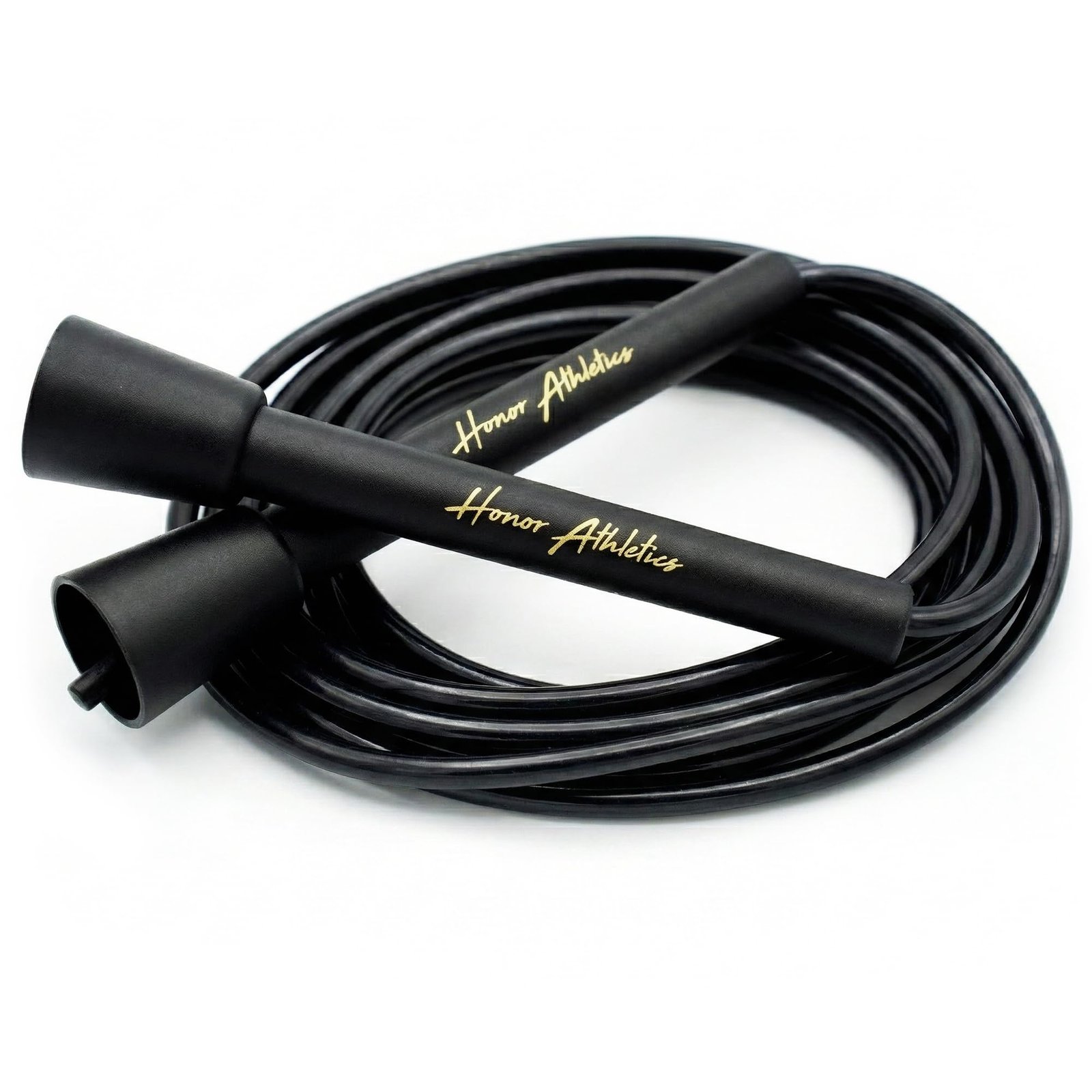
BOXROPE
Why it made the page: it looks most useful for repeatable rounds, rhythm work, skill reps, or small-space training friction.
Best for: repeatable solo rounds where setup speed matters.
- Price seen $34.99
- 4.5/5 rating shown
- 【Quick and Lightweight 】- Elevate your game with the BoxRope Vol. I speed rope! 15% heavier than a normal PVC rope. The one and only original BoxRope is now on Amazon. Experience lightning-fast skipping for an
- 【Easily Adjustable Cable】- No more struggling with poorly sized and inconvenient workout jump ropes. Our BoxRope Vol. I offer effortless and efficient skipping with fully adjustable cable length. Simply adjust
Watchout: The weak point is usually compatibility, recent seller quality, or returns, so verify the live listing before buying.
ASIN B0C6J4KJPL detail page checked August 10, 2026. Prices and availability can move.
See live price and availabilityCheck Canada price on Amazon.ca
Best alternative
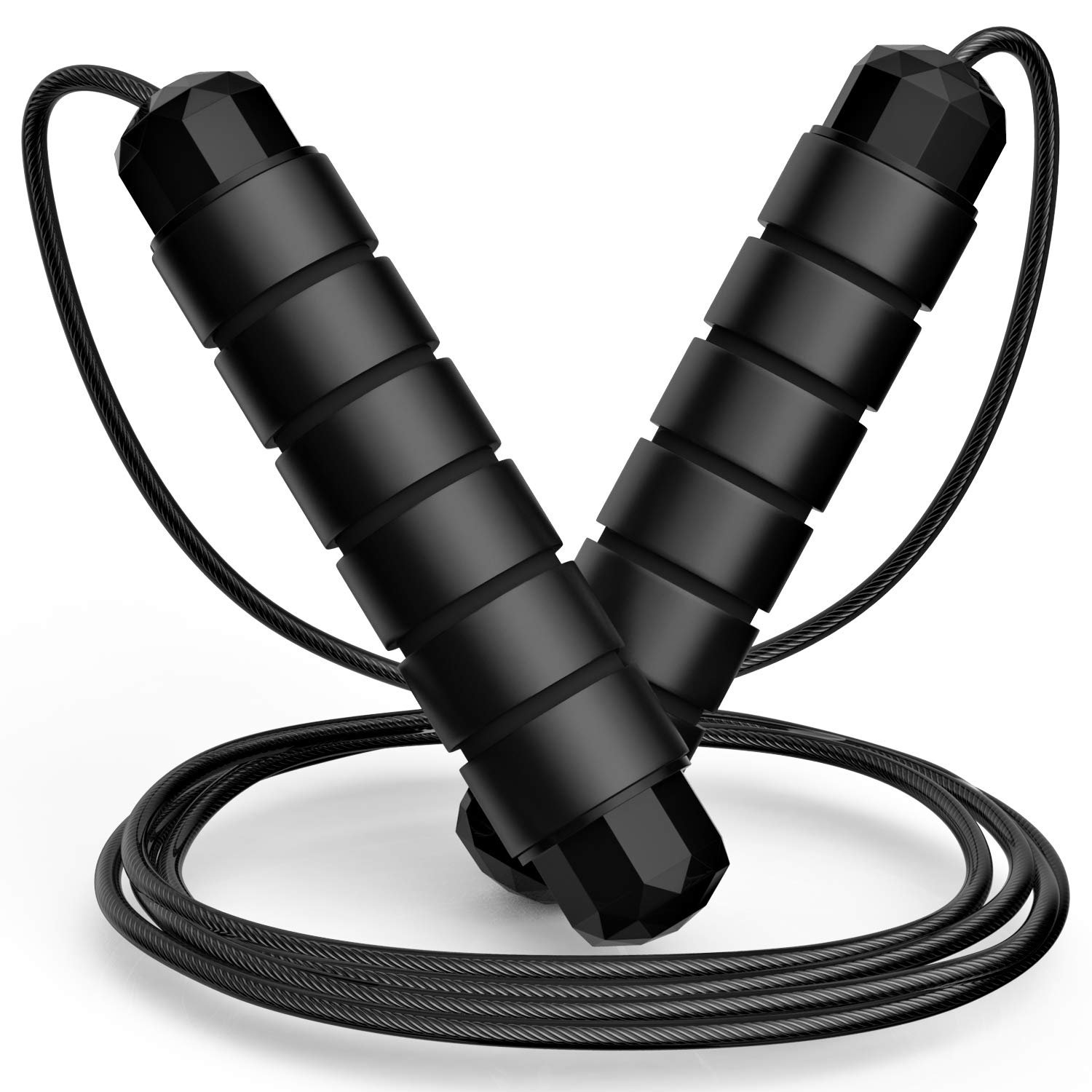
Jump Rope
Why it made the page: it looks most useful for repeatable rounds, rhythm work, skill reps, or small-space training friction.
Best for: repeatable solo rounds where setup speed matters.
- Price seen $8.95
- 4.4/5 from 25,308 ratings
- Material: Alloy Steel, Polyvinyl Chloride (PVC)
- Color: Black
Watchout: The weak point is usually compatibility, recent seller quality, or returns, so verify the live listing before buying.
ASIN B09DF9NWC7 detail page checked August 10, 2026. Prices and availability can move.
Budget/edge case
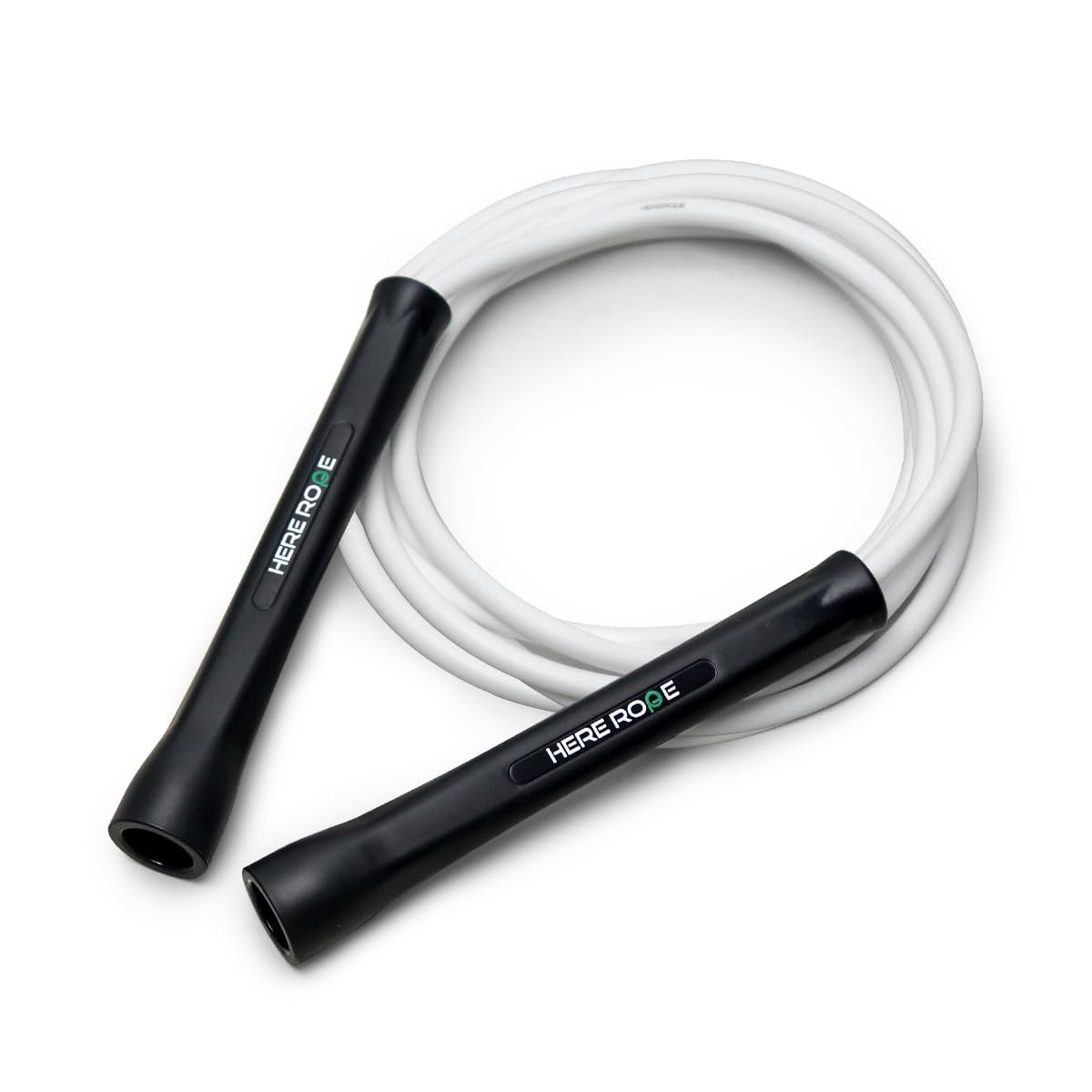
Hererope 6MM PVC Jump Rope for Men & Women Fitness
Why it made the page: it looks most useful for repeatable rounds, rhythm work, skill reps, or small-space training friction.
Best for: repeatable solo rounds where setup speed matters.
- Price seen $12.99
- 4.5/5 from 274 ratings
- Material: Polyvinyl Chloride (PVC)
- Color: Snow
Watchout: The weak point is usually compatibility, recent seller quality, or returns, so verify the live listing before buying.
ASIN B0FDQF4YDG detail page checked August 10, 2026. Prices and availability can move.
See live price and availabilityCheck Canada price on Amazon.ca
The buying call
The useful question for Jump Ropes for Boxing and Fitness is whether the tool makes rounds easier to repeat. Noise, setup time, replacement parts, and feedback matter. I would start with BOXROPE if it fits the drill, then compare the others by setup friction. The cards above are ordered by the clearest product-page evidence available in this pass: direct ASIN, visible product media, listed facts, and practical fit for the article’s use case.
StrikeGearHQ participates in the Amazon Associates Program. We earn a commission on qualifying purchases made through links on this page, at no extra cost to you.
Every elite boxer knows the secret weapon hiding in plain sight: the jump rope. From Floyd Mayweather’s hypnotic rhythm to Canelo Álvarez’s explosive footwork drills, the jump rope is the single most effective conditioning tool in boxing — building cardio endurance, foot speed, coordination, and mental timing that no treadmill can replicate.
But not all jump ropes are created equal. A rope that’s too light won’t give you feedback. Too heavy and it kills your speed. Wrong length? You’ll trip every third rotation. The wrong bearing system turns smooth combos into frustrating tangles.
We researched and compared dozens of jump ropes available in USA and the US, evaluating them on rope material, bearing quality, handle design, weight, adjustability, and durability — all through the lens of what a boxer actually needs. Here are the 7 best jump ropes for boxing and fitness training in 2026.
Footwork buyer shortcut: If you are shopping from searches like boxing jump rope, boxing speed rope, or skipping rope for boxing training, start with an adjustable speed rope for rhythm, then add a weighted rope only if you specifically want shoulder-conditioning rounds.
⚡ Quick Picks — Best Jump Ropes for Boxing (2026)
🥊 The 7 Best Jump Ropes for Boxing and Fitness — In-Depth Reviews
#1. BoxRope Original — Best Overall for Boxing
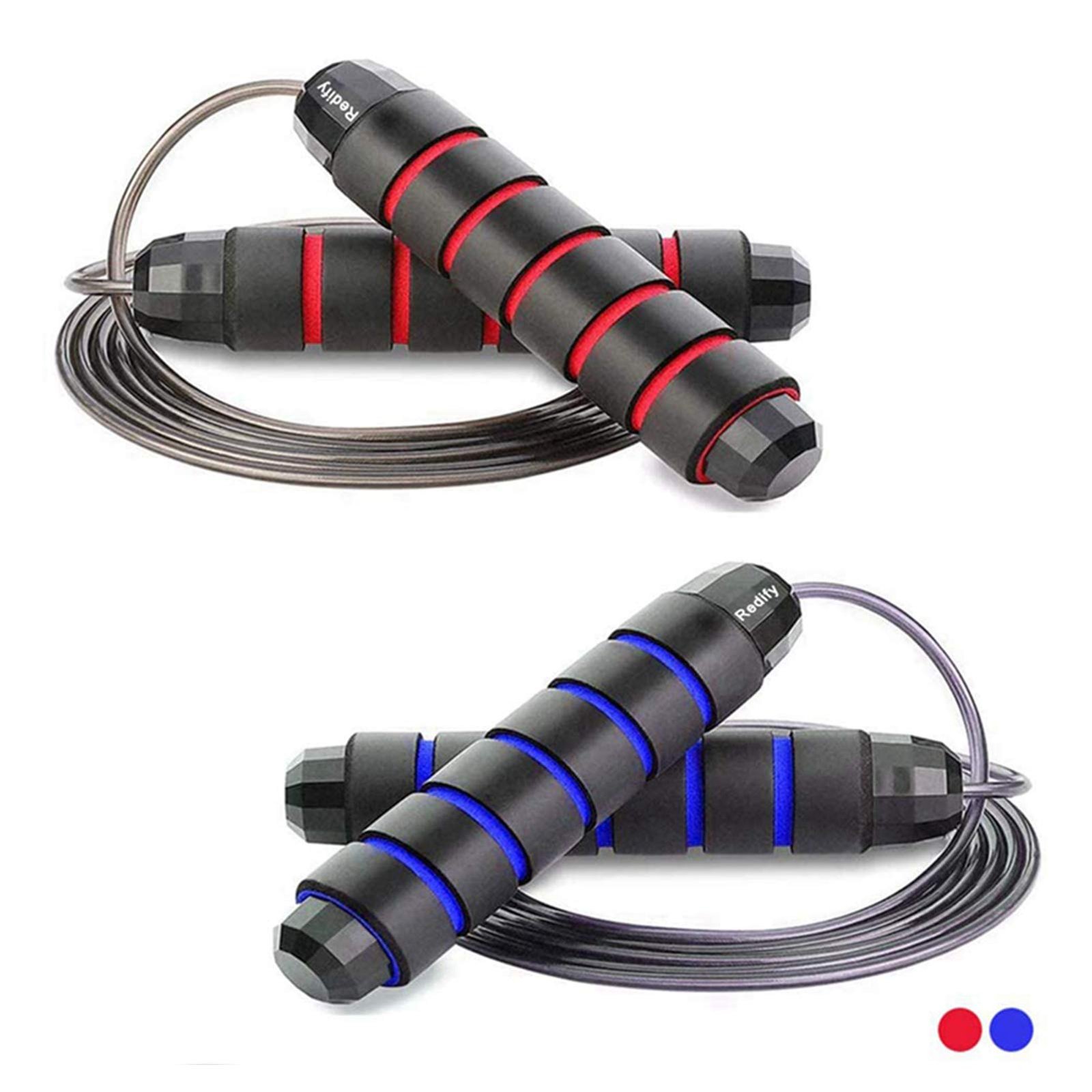
📏 Adjustable (multiple sizes)
⚖️ 15% heavier than standard PVC
⭐ 4.4/5
| Rope Type | PVC (Boxing-Specific) |
| Bearing | Smooth swivel system |
| Weight | 15% heavier than standard PVC |
| Length | Adjustable (multiple sizes) |
✅ Pros
- Designed specifically for boxing training
- 15% heavier than standard PVC for better feedback and speed
- Tangle-free construction holds shape during fast rotations
- Hand-wrapped grip tapes for superior handle control
- Multiple size options for perfect fit
❌ Cons
- Premium price compared to generic ropes
- Limited color availability on Amazon.com
#2. Everlast 11ft Cable Jump Rope — Best Budget Pick
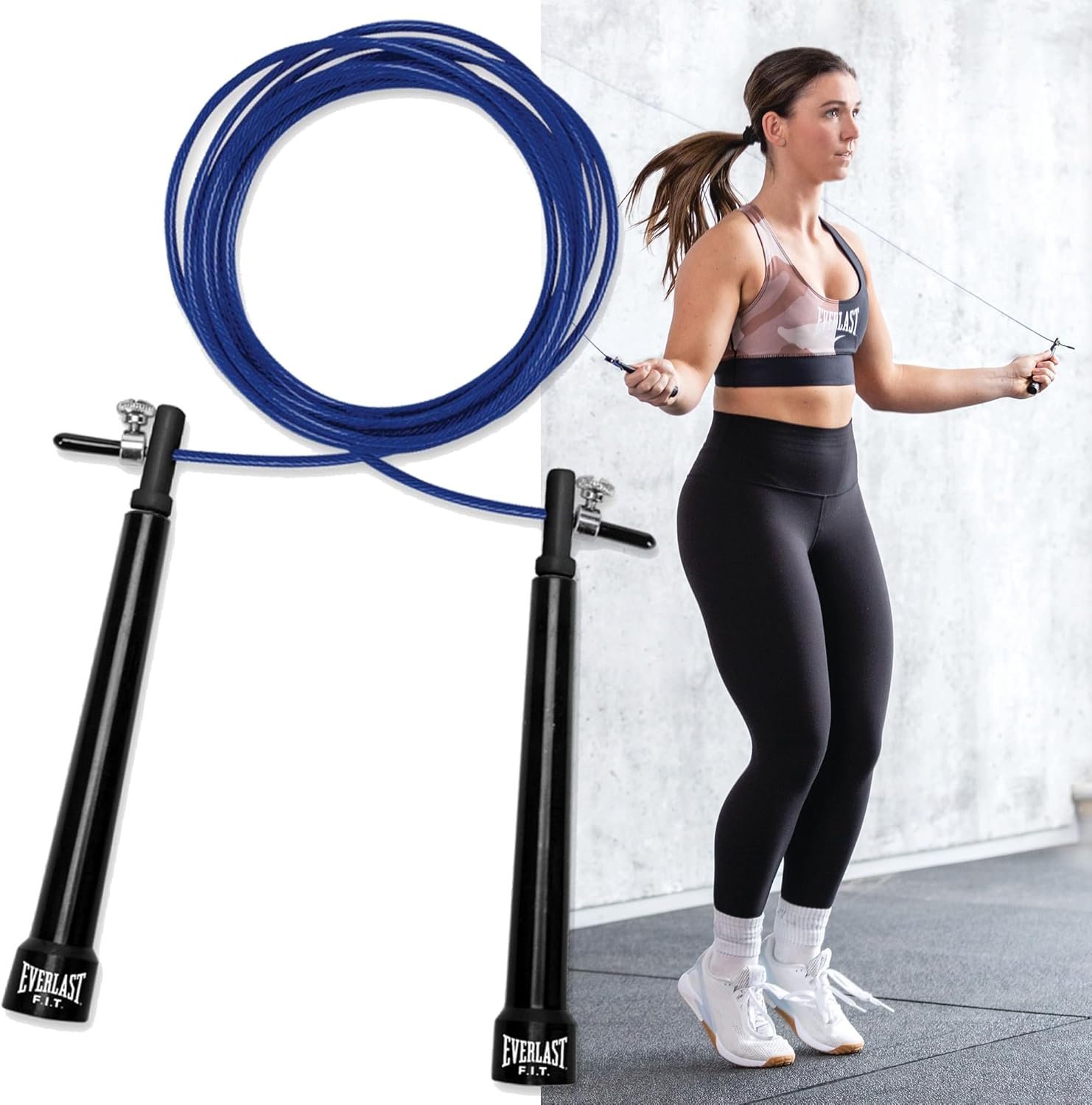
📏 11 ft (adjustable)
⚖️ Light (~5 oz)
⭐ 4.3/5
| Rope Type | Galvanized Steel Cable |
| Bearing | Standard swivel |
| Weight | Light (~5 oz) |
| Length | 11 ft (adjustable) |
✅ Pros
- Iconic boxing brand trusted by fighters worldwide
- Extremely affordable entry point for beginners
- Steel cable is durable and fast-spinning
- 11-foot length suits most heights
- Lightweight for speed work and warm-ups
❌ Cons
- Steel cable can sting on misses
- Basic handles lack ergonomic grip
- Swivel system not as smooth as ball-bearing designs
#3. PICSIL BEE High Speed Rope — Best Speed Rope
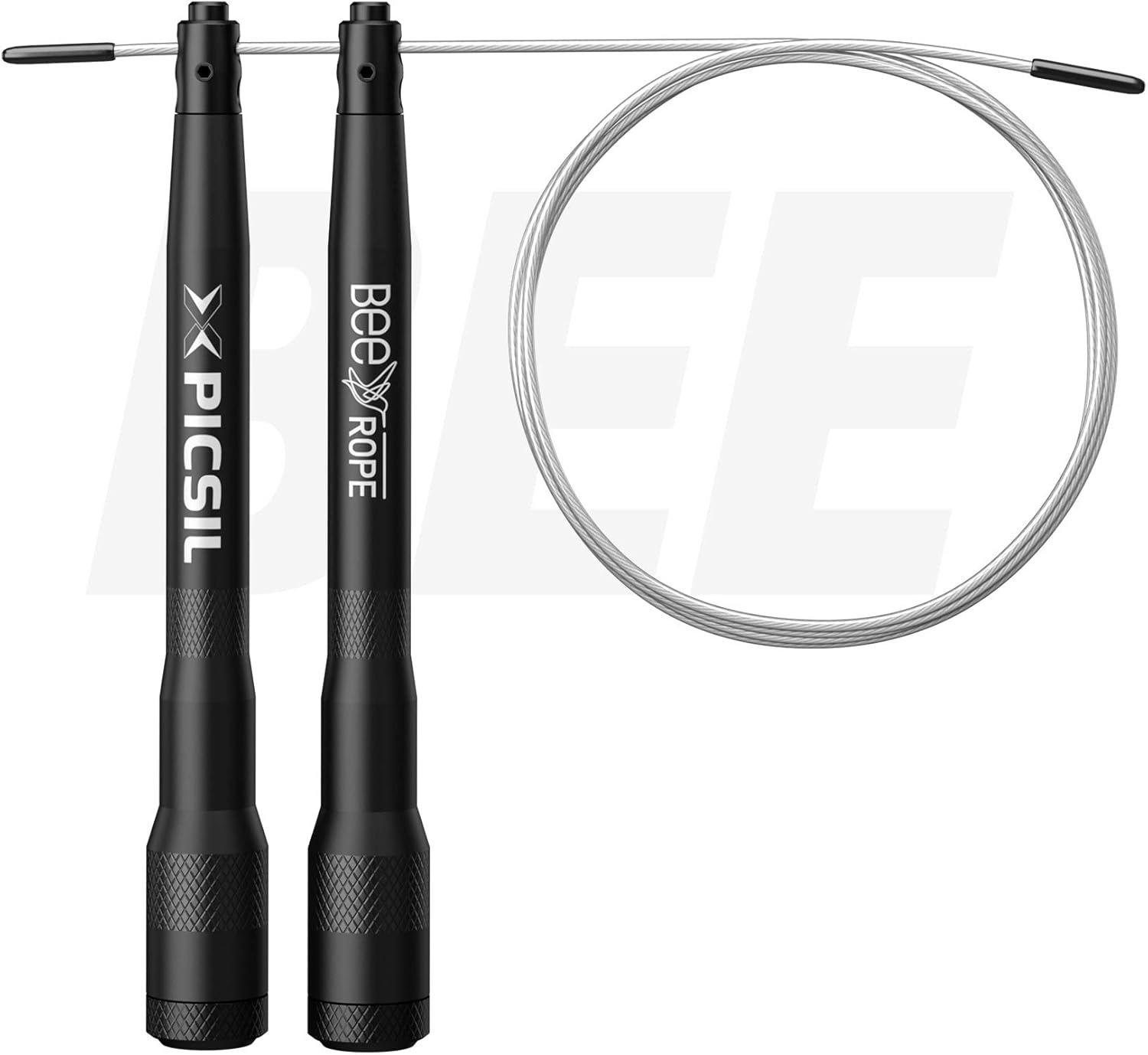
📏 Self-adjusting (fits all heights)
⚖️ 7.4 oz (210g)
⭐ 4.5/5
| Rope Type | Steel Cable with PVC Coating |
| Bearing | Dual Ball Bearing System |
| Weight | 7.4 oz (210g) |
| Length | Self-adjusting (fits all heights) |
✅ Pros
- Premium aluminum handles with double ball bearings
- Self-adjusting mechanism — no cutting required
- Ultra-smooth rotation for fast double-unders
- Lightweight at 7.4 oz for maximum speed
- Used by CrossFit and boxing athletes worldwide
❌ Cons
- Thin cable may lack feedback for beginners
- Aluminum handles can feel cold in winter training
- Higher price point than basic options
#4. WOD Nation Weighted Jump Rope — Best Weighted Rope
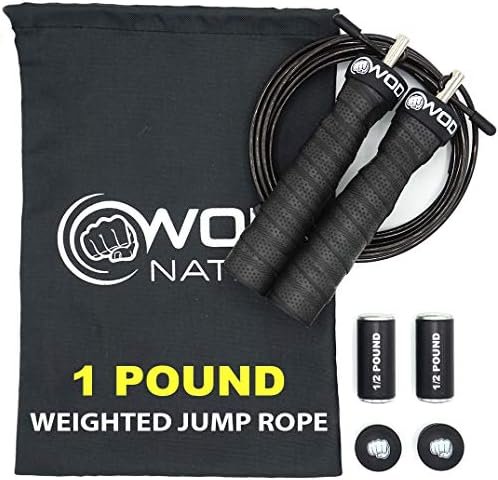
📏 Adjustable (10 ft)
⚖️ 1 lb (handles with removable weights)
⭐ 4.4/5
| Rope Type | PVC with Weighted Handles |
| Bearing | Ball bearing swivel |
| Weight | 1 lb (handles with removable weights) |
| Length | Adjustable (10 ft) |
✅ Pros
- Removable handle weights for progressive training
- Includes both thick training cable and speed cable
- Endorsed by boxing and MMA athletes
- Ball bearing swivel for smooth rotation under load
- Builds forearm and shoulder endurance for boxing
❌ Cons
- Weighted handles affect speed rope technique
- Heavier than ideal for pure speed work
- Requires adjustment period for timing
#5. HUEY Sport Leather Jump Rope — Best Leather Rope (Old-School)
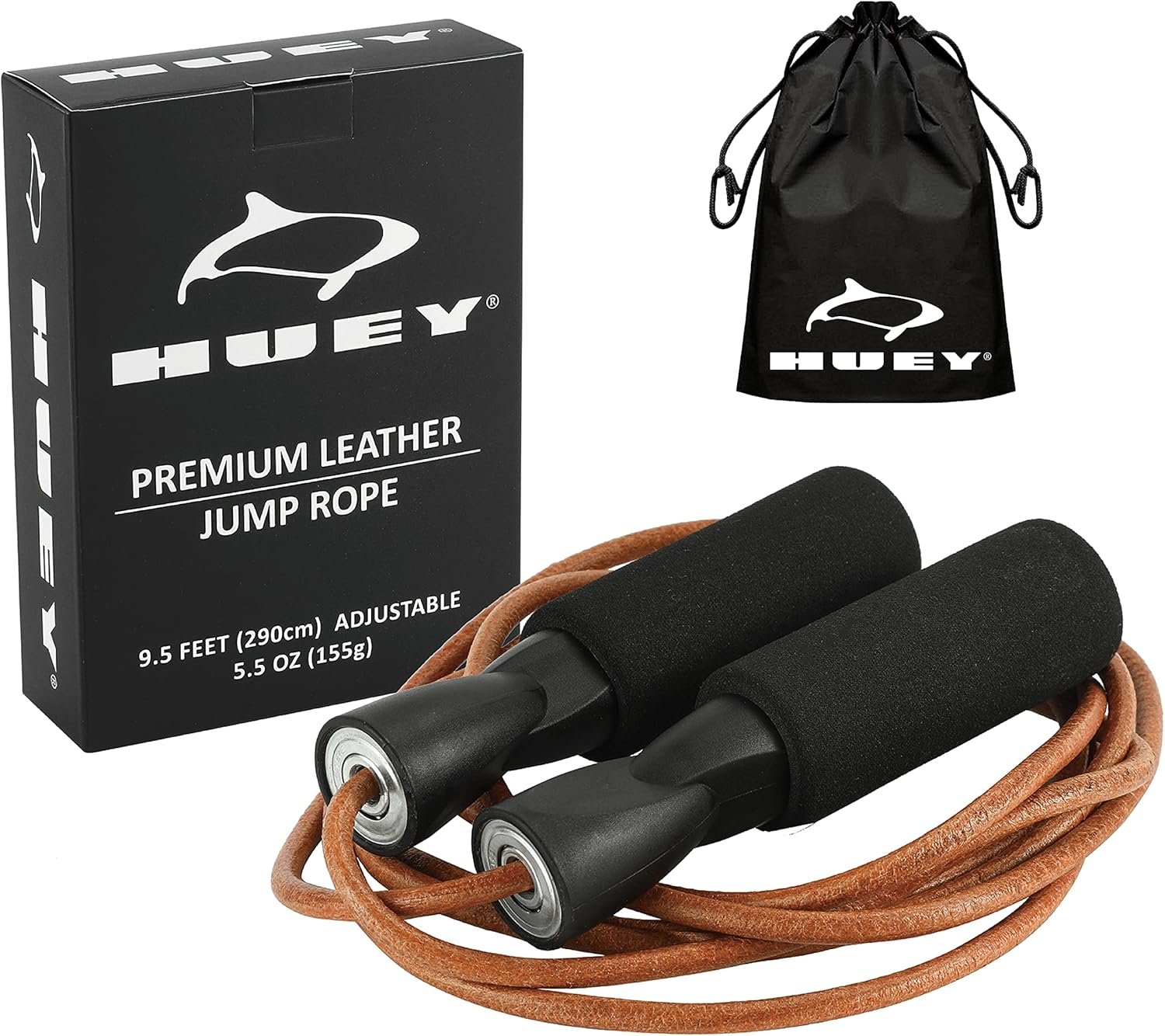
📏 Adjustable (9 ft)
⚖️ 5.5 oz
⭐ 4.3/5
| Rope Type | Genuine Leather |
| Bearing | Standard swivel |
| Weight | 5.5 oz |
| Length | Adjustable (9 ft) |
✅ Pros
- Premium 6mm genuine leather — thicker than industry standard
- Quiet operation — perfect for home and apartment training
- Natural weight and feel preferred by traditional boxers
- Works well indoors and outdoors
- Excellent value for a leather rope
❌ Cons
- Leather degrades faster on rough outdoor surfaces
- Not as fast as PVC or cable speed ropes
- Requires break-in period for optimal feel
#6. PACETAP Steel Wire Speed Rope — Best Value Speed Rope
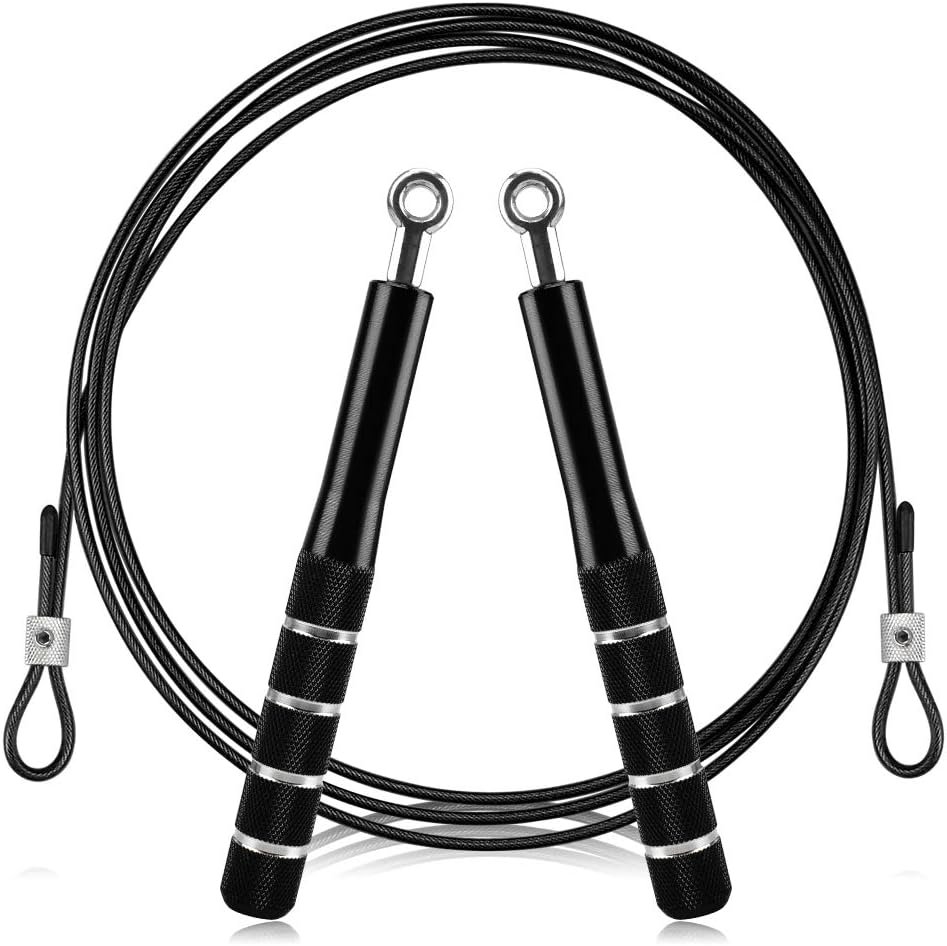
📏 3m / 10 ft (adjustable)
⚖️ Light
⭐ 4.4/5
| Rope Type | Coated Steel Wire |
| Bearing | Spherical Ball Bearing |
| Weight | Light |
| Length | 3m / 10 ft (adjustable) |
✅ Pros
- Amazon’s Choice with thousands of positive reviews
- Spherical ball bearing for friction-free rotation
- Coated steel wire — durable and fast
- Includes adjustment wrench for easy length changes
- Incredibly affordable for the quality
❌ Cons
- Plastic handles less premium than aluminum options
- Steel wire can kink if stored improperly
- Light weight may not suit those wanting rope feedback
#7. Elite Jumps Boxer 3.0 Training Rope — Best for Outdoor Training
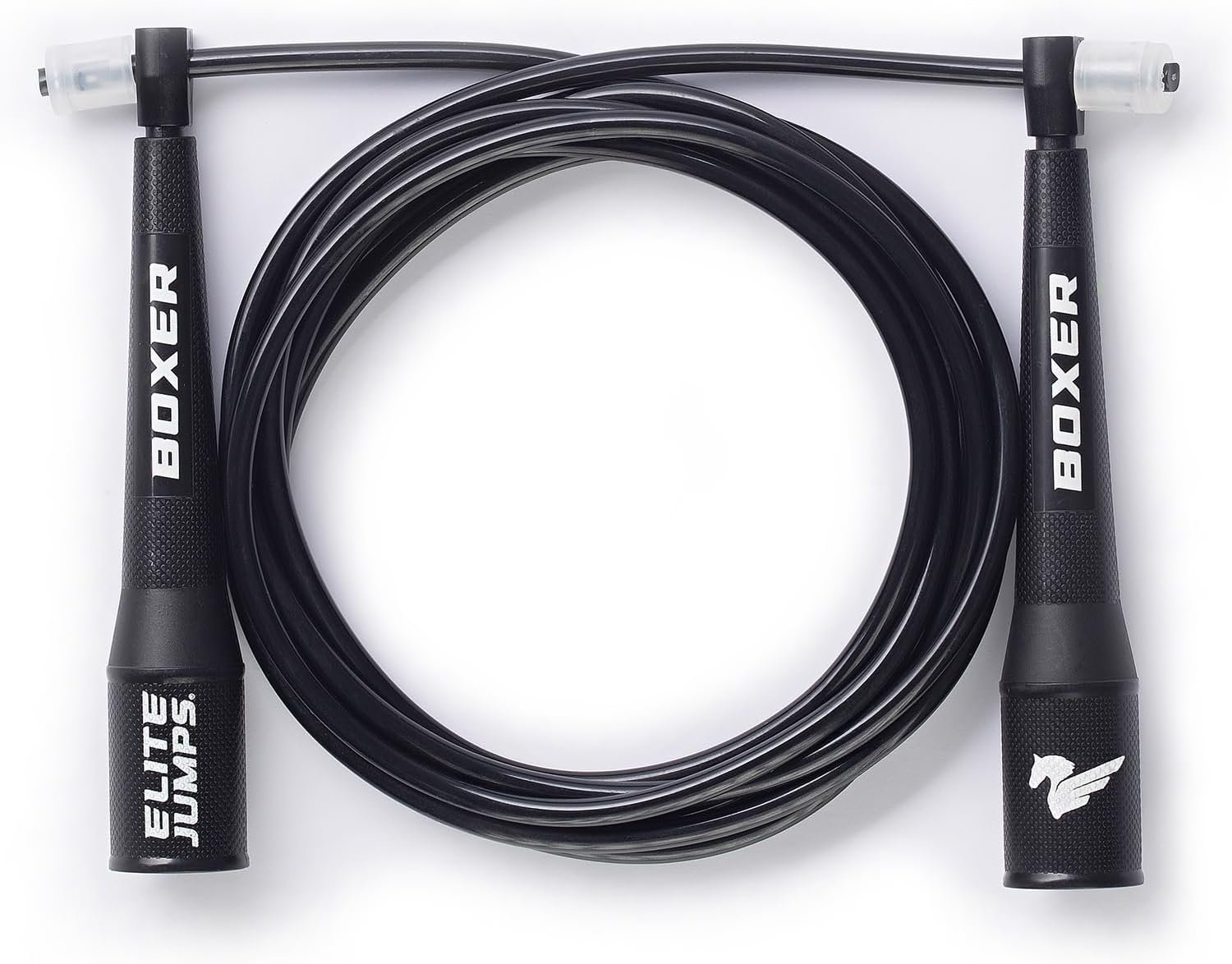
📏 10 ft (adjustable)
⚖️ Medium
⭐ 4.5/5
| Rope Type | 5mm PVC (Outdoor-Rated) |
| Bearing | Smooth polymer swivel |
| Weight | Medium |
| Length | 10 ft (adjustable) |
✅ Pros
- Outdoor-rated 5mm PVC won’t degrade on concrete or asphalt
- Ergonomic polymer handles with dimpled slip-resistant grip
- Wirecutter-recommended brand (Elite Jumps/EliteSRS)
- Smooth rotation without ball bearings — less maintenance
- Non-kinking cord holds shape for consistent rhythm
❌ Cons
- Primarily available on Amazon.com (limited Amazon.com stock)
- 5mm cord slightly slower than thinner speed cables
- No weighted handle option
🛒 Jump Rope Buying Guide for Boxers
Rope Material
PVC (Polyvinyl Chloride): The most popular choice for boxing. PVC ropes are lightweight, durable, and provide good tactile feedback. They maintain their shape well and won’t kink easily. The BoxRope’s 15%-heavier PVC is a standout innovation.
Steel Cable (Coated): The fastest option. Coated steel wire cuts through air with minimal resistance, making it ideal for speed work, double-unders, and high-RPM conditioning. The downside: misses sting more.
Leather: The classic boxing gym choice. Leather provides a satisfying weight and natural feel that many traditional boxers prefer. It’s quieter than PVC or cable but degrades faster on rough surfaces.
Beaded: Segmented beaded ropes are highly visible and maintain their arc shape, making them excellent for learning rhythm and outdoor use on rough surfaces.
Rope Length — Getting It Right
The #1 mistake beginners make is using a rope that’s too long. Here’s the rule:
- Stand on the center of the rope with one foot
- Pull handles up — they should reach your armpits to chest height
- General formula: Your height + 3 feet = ideal rope length
- Under 5’4″ → 8 ft rope | 5’4″–5’10” → 9 ft | 5’10″–6’2″ → 10 ft | Over 6’2″ → 11 ft
Most quality ropes are adjustable. Always buy adjustable and trim to fit.
Handle Weight and Design
Lightweight handles (under 4 oz): Best for speed work, allowing rapid wrist flicks and high RPM. Choose these if you’re doing speed rounds and double-unders.
Weighted handles (8 oz – 1 lb): Build forearm and shoulder endurance. Excellent for boxing conditioning because they simulate the fatigue of holding your guard up in later rounds.
Grip material matters: Foam grips absorb sweat but degrade over time. Rubber and silicone grips are more durable. Knurled aluminum handles offer the most secure grip but can be cold.
Bearing Type
Ball bearings: Provide the smoothest, fastest rotation. Essential for speed ropes and double-unders. Look for dual ball bearing systems (like the PICSIL BEE) for the best performance.
Bushing/swivel: Simpler mechanism found on budget ropes. Adequate for basic jumping but creates more friction during high-speed work.
No bearing (fixed): Some PVC ropes use a simple pass-through design. Less smooth but extremely durable with nothing to break.
Speed Rope vs. Weighted Rope — Which Do You Need?
Speed Rope: Choose this if your goals are footwork, cardio conditioning, coordination, and warm-ups. Speed ropes use thin cables or lightweight PVC to maximize rotation speed. Most boxers should start here.
Weighted Rope: Choose this if you want to build shoulder endurance, forearm strength, and upper-body stamina. Weighted ropes are excellent for conditioning blocks but shouldn’t replace speed work entirely.
Pro Tip: The best approach is to own both. Use a speed rope for warm-ups and skill work (3-minute rounds mimicking boxing rounds), and a weighted rope for conditioning finishers.
❓ Frequently Asked Questions
What type of jump rope do professional boxers use?
Most professional boxers use lightweight PVC or leather speed ropes. Floyd Mayweather famously uses a thin PVC rope for his signature rhythmic jumping. Canelo Álvarez often trains with a slightly weighted PVC rope for conditioning. The key is a rope that provides feedback without slowing you down — which is why boxing-specific ropes like the BoxRope (15% heavier PVC) have become popular.
How long should a boxing jump rope be?
Stand on the center of the rope with one foot. The handles should reach between your armpits and nipple line. For most adults, this means: 5’0″–5’4″ → 8 ft, 5’5″–5’10” → 9 ft, 5’11″–6’2″ → 10 ft, 6’3″+ → 11 ft. Always buy an adjustable rope and trim to your perfect length.
Is jumping rope better than running for boxing?
Jumping rope and running serve different purposes in boxing conditioning. Rope work develops coordination, footwork rhythm, calf endurance, and timing — skills that directly transfer to the ring. Running builds aerobic base and mental toughness. Most boxing programs use both: roadwork (running) for aerobic base and jump rope for ring-specific conditioning. If you could only pick one, the jump rope gives you more boxing-specific benefits per minute.
How long should boxers jump rope?
Beginners should aim for 3-minute rounds (matching boxing round length) with 1-minute rest, starting with 3 rounds and building to 10+. Intermediate boxers typically do 15–20 minutes of continuous or interval rope work. Professionals like Mayweather often jump for 30+ minutes as part of their warm-up alone. The key is consistency — 10 minutes daily beats 30 minutes once a week.
Are weighted jump ropes good for boxing?
Yes, when used correctly. Weighted ropes (like the WOD Nation) build forearm endurance and shoulder stamina that translate to holding your guard up in later rounds. However, they shouldn’t replace speed rope work. Use weighted ropes for 2–3 conditioning rounds at the end of your session, and speed ropes for your primary warm-up and skill work.
What’s the difference between a speed rope and a regular jump rope?
Speed ropes use thinner cables (usually coated steel wire), ball bearing systems, and lighter handles to maximize rotation speed. Regular (or “licorice”) ropes use thicker PVC or leather cords with simpler swivel mechanisms. Speed ropes spin faster but provide less feedback. For boxing, a mid-weight PVC rope often provides the best balance of speed and control.
Can I use a jump rope on concrete?
Yes, but rope material matters. PVC ropes (especially outdoor-rated ones like the Elite Jumps Boxer 3.0) handle concrete well. Leather ropes will degrade quickly on rough surfaces. Steel cable ropes with PVC coating work fine on concrete. For longevity, use a jump rope mat or find a smooth surface when possible. Beaded ropes are the most durable option for rough outdoor surfaces.
📖 More Boxing Gear Guides
Building out your boxing setup? Check out our other expert guides:
Our team of combat sports enthusiasts and certified trainers tests and reviews boxing, MMA, and martial arts equipment. We combine hands-on reviewing with extensive research to help fighters at every level find the right gear. Every product recommendation is based on real-world performance, not just specs.