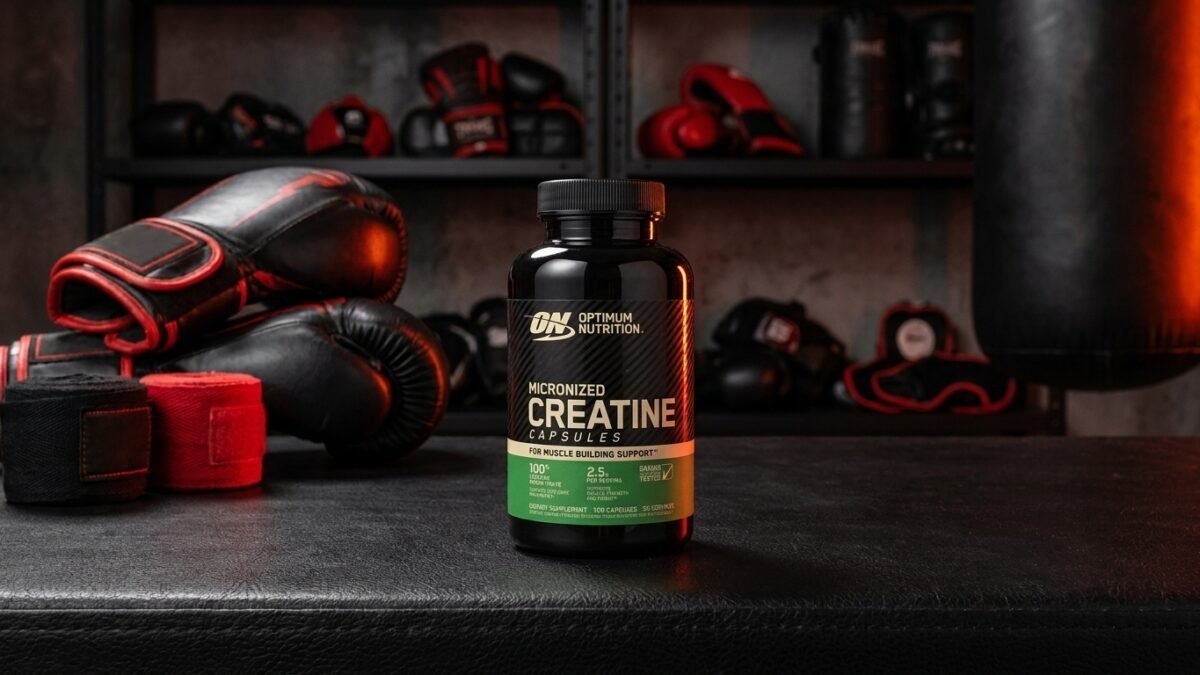
Last updated: August 2, 2026
Editor verdict
Quick Verdict
This quick verdict helps fighters, coaches, and home-gym strikers compare supplements boxing training creatine electrolytes protein by fit, protection, durability, training use, and value.
Who Should Buy
Choose this category if the product matches your current training environment, sizing needs, storage limits, and budget after checking current retailer details.
Who Should Skip
Skip or keep comparing if the listing does not show enough sizing/spec detail, if returns are unclear, or if the product solves a different use case than the one in this guide.
Key Criteria
- Fit
- Protection
- Durability
- Training Use
- Value
Source check: Recommendations should be read with current retail listings, available manufacturer/spec information, buyer-facing claims, and the site’s methodology page.
What we would actually pick for Supplements for Boxing Training
The useful question for Supplements for Boxing Training is which product solves the actual training problem with the least guessing. I would start with Optimum Nutrition Creatine, then use the remaining picks only if their facts match the use case better.
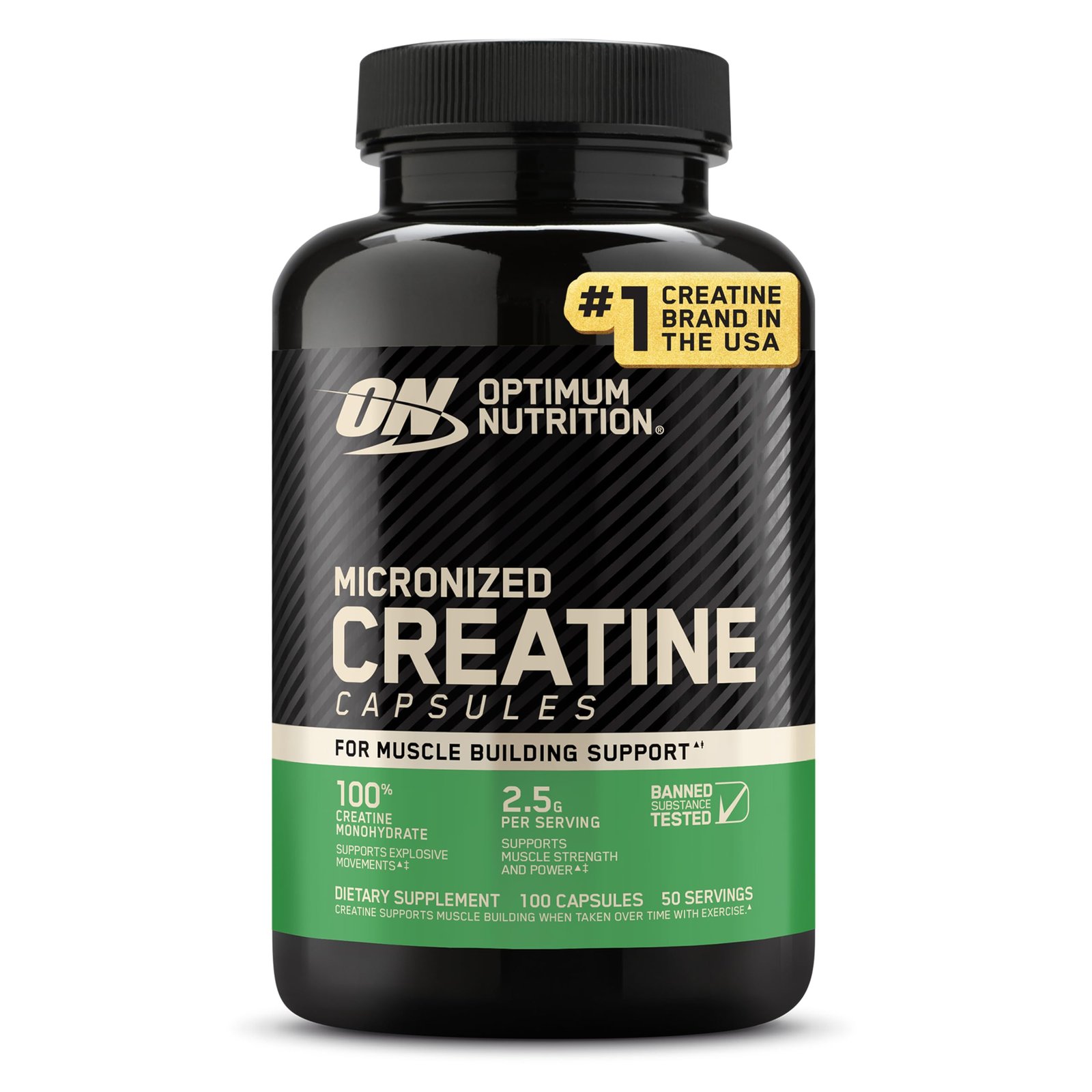
Default pick
Optimum Nutrition Creatine
Why it made the page: it has the strongest combination of product-page facts, visible media, and buyer signal on this page.
Best for: buyers who want the clearest product facts before choosing.
- Price seen $19.99
- 4.7/5 from 29,604 ratings
- Color: White
- Item Weight: 0.18 kg
Watchout: The weak point is usually compatibility, recent seller quality, or returns, so verify the live listing before buying.
ASIN B00DLWONF2 detail page checked August 10, 2026. Prices and availability can move.
See live price and availabilityCheck Canada price on Amazon.ca
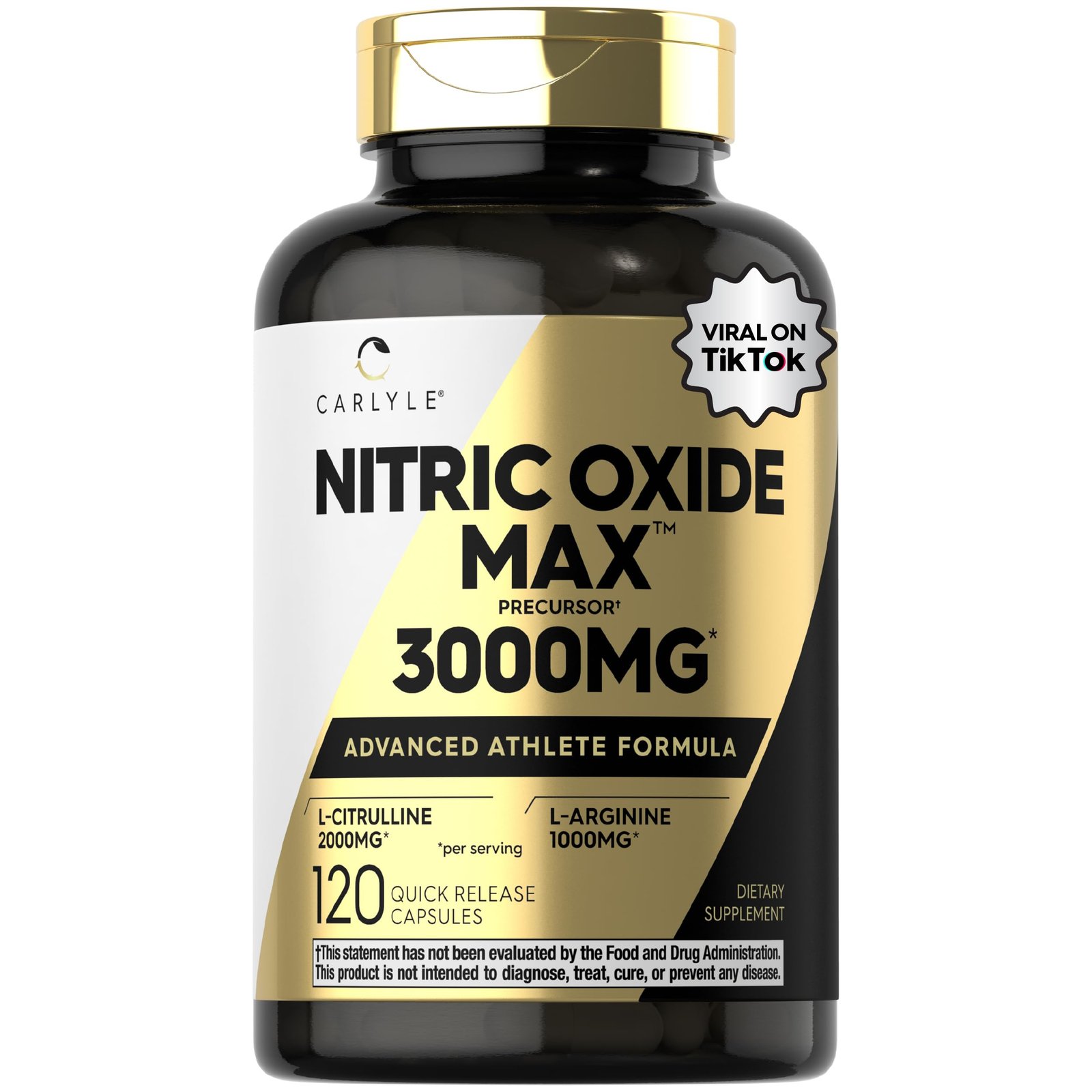
Best alternative
Carlyle Nitric Oxide Supplement 3000mg
Why it made the page: it has the strongest combination of product-page facts, visible media, and buyer signal on this page.
Best for: buyers who want the clearest product facts before choosing.
- Price seen $9.99
- 4.4/5 from 1,472 ratings
- NITRIC OXIDE MAX: Receive two amino acids, L-Citrulline and L-Arginine, in one unique formula!
- ADVANCED ATHLETE FORMULA: Support your fitness routine with convenient quick release capsules
Watchout: The weak point is usually compatibility, recent seller quality, or returns, so verify the live listing before buying.
ASIN B0CYRP3HV4 detail page checked August 10, 2026. Prices and availability can move.
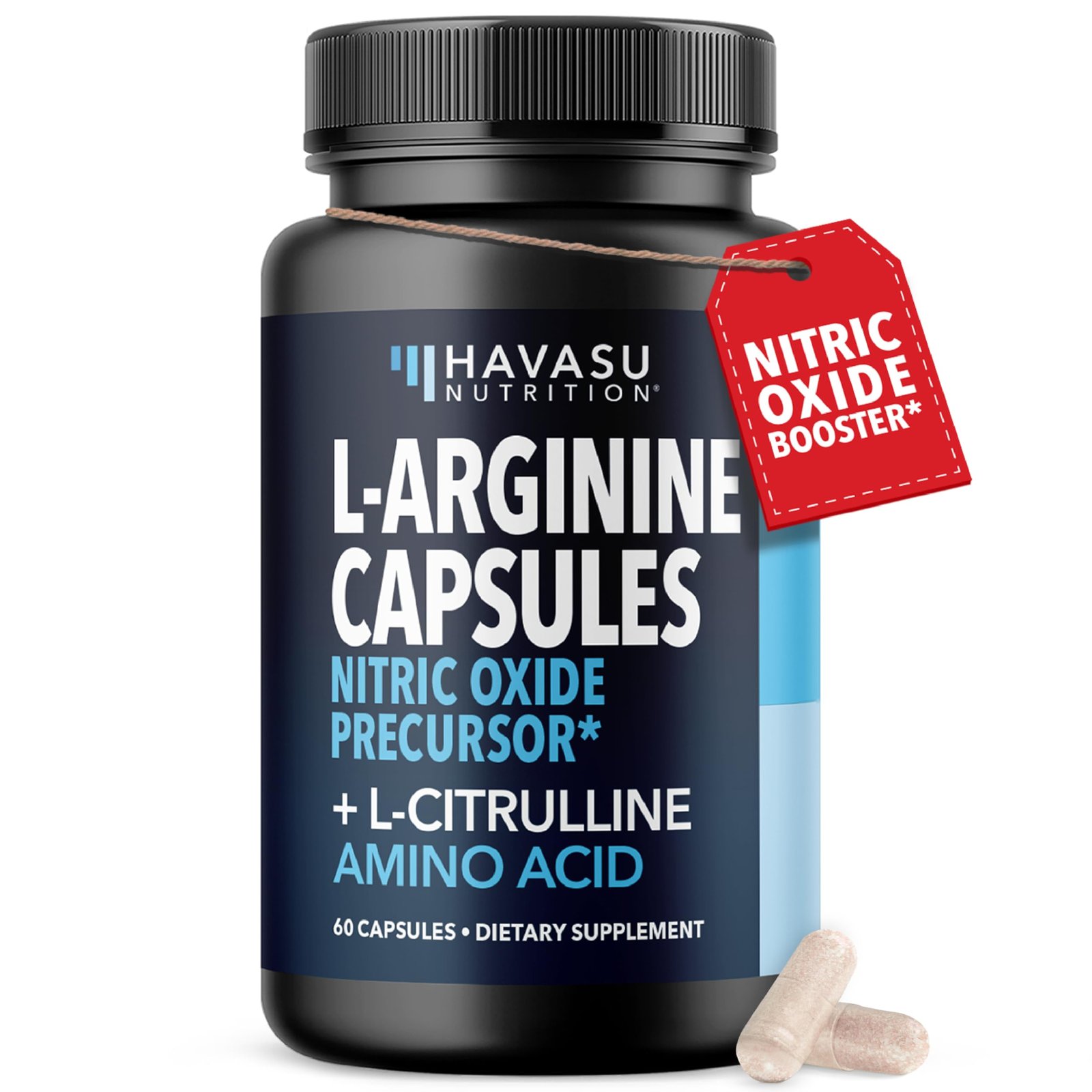
Budget/edge case
L-Arginine and L-Citrulline for Men
Why it made the page: it has the strongest combination of product-page facts, visible media, and buyer signal on this page.
Best for: buyers who want the clearest product facts before choosing.
- Price seen $10
- 4.3/5 rating shown
Watchout: The weak point is usually compatibility, recent seller quality, or returns, so verify the live listing before buying.
ASIN B01MS461VC detail page checked August 10, 2026. Prices and availability can move.
The buying call
The useful question for Supplements for Boxing Training is which product solves the actual training problem with the least guessing. I would start with Optimum Nutrition Creatine, then use the remaining picks only if their facts match the use case better. The cards above are ordered by the clearest product-page evidence available in this pass: direct ASIN, visible product media, listed facts, and practical fit for the article’s use case.
StrikeGearHQ participates in the Amazon Associates Program. We earn a commission on qualifying purchases made through links on this page, at no extra cost to you.
Health note: This is educational buying research, not medical advice. Supplements can interact with conditions, medication, pregnancy, stimulant sensitivity, and sport-reviewing rules. When risk is unclear, ask a qualified health professional before use.
For boxing, the convincing stack is simple: creatine for repeated explosive work, electrolytes for sweat-heavy rounds, protein for recovery, caffeine only when timing and tolerance make sense, and beta-alanine or beetroot only when conditioning is the limiting factor.
Category-by-Category Breakdown
Protein powder — High priority
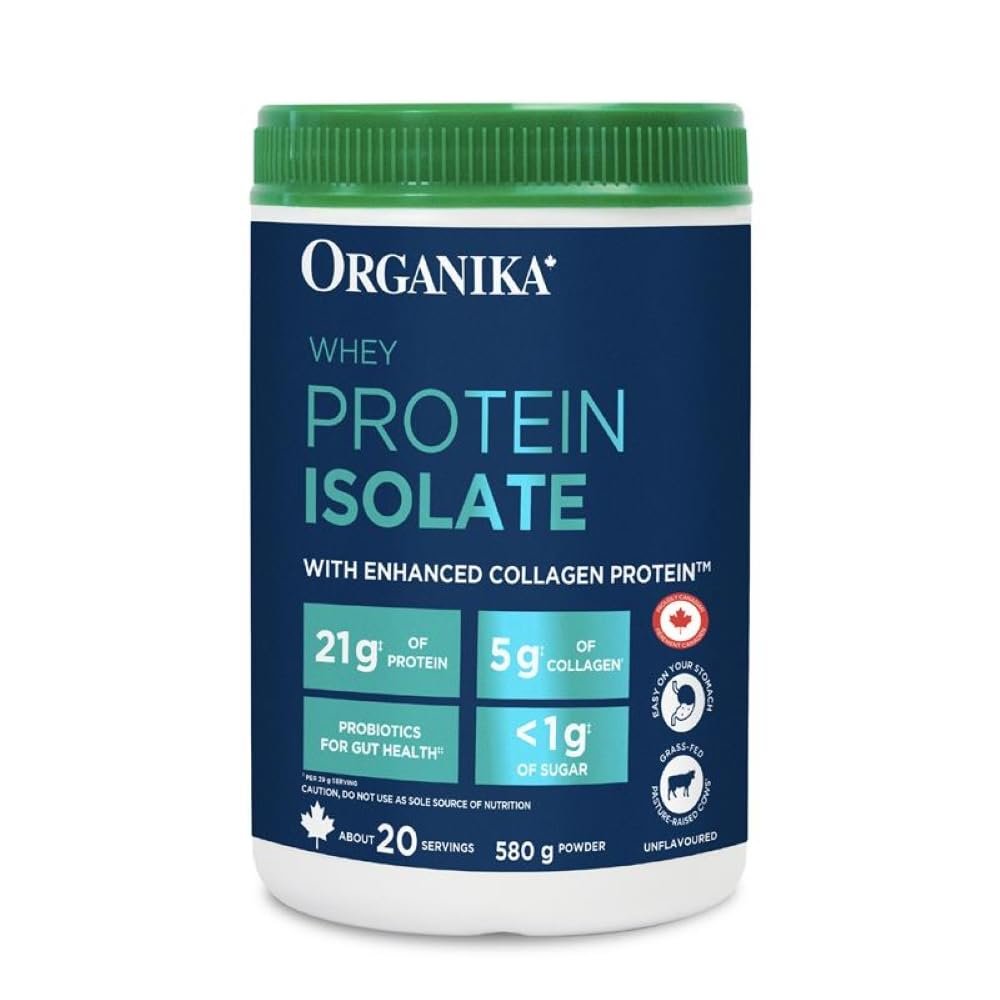
Benefit: Recovery and daily protein target support. Why it can be worth buying: Best when meals miss the protein target; compare protein per serving, calories, third-party reviewing, and sweetener tolerance. Compare current Amazon.com options.
Creatine monohydrate — High priority
Benefit: Strength, power, repeated high-output work. Why it can be worth buying: Plain creatine monohydrate is the clean first choice; skip expensive blends until the basic version is consistent. Compare current Amazon.com options.
Electrolytes — High priority
Benefit: Hydration support during high-sweat training. Why it can be worth buying: Useful when sweat, heat, long sessions, or fasting windows make fluid balance harder; compare sodium, carbs, and sugar. Compare current Amazon.com options.
Caffeine / pre-workout — High but conditional priority
Benefit: Energy, alertness, and some performance support. Why it can be worth buying: Can help, but it is not mandatory. Compare caffeine per serving and avoid stacking with coffee or energy drinks. Compare current Amazon.com options.
Beta-alanine — Moderate priority
Benefit: Repeated hard efforts lasting roughly one to several minutes. Why it can be worth buying: More useful for intervals and combat-sport conditioning than one-rep max work; tingles are common and not a performance signal. Compare current Amazon.com options.
Beetroot / dietary nitrate — Moderate priority
Benefit: Endurance and repeated-effort support for some athletes. Why it can be worth buying: Worth comparing for conditioning blocks; effects vary and timing matters more than hype. Compare current Amazon.com options.
Carbohydrate powder — Moderate priority
Benefit: Fuel for long or double sessions. Why it can be worth buying: Not needed for every workout, but useful when training volume is high and regular food is inconvenient. Compare current Amazon.com options.
Sodium bicarbonate — Advanced priority
Benefit: Buffering for intense repeat efforts. Why it can be worth buying: Research-backed but GI-risky. This is for experienced athletes reviewing protocols, not casual daily use. Compare current Amazon.com options.
Collagen / gelatin — Emerging priority
Benefit: Tendon and connective-tissue support claims. Why it can be worth buying: More situational than protein or creatine; compare as a tendon-support add-on, not as a complete protein replacement. Compare current Amazon.com options.
Omega-3 fish oil — Conditional priority
Benefit: General nutrition and inflammation-marker interest. Why it can be worth buying: Useful only if diet is low in oily fish or a clinician recommends it; compare EPA/DHA amounts, not total oil weight. Compare current Amazon.com options.
Vitamin D — Conditional priority
Benefit: Deficiency support. Why it can be worth buying: Best treated as a lab-informed supplement. Do not sell it as a workout booster for people who already have sufficient levels. Compare current Amazon.com options.
Magnesium — Conditional priority
Benefit: Dietary gap, cramps/sleep claims are mixed. Why it can be worth buying: Compare forms and dose; it is not a magic recovery product, but can be relevant if intake is low. Compare current Amazon.com options.
HMB — Mixed priority
Benefit: Recovery and muscle-damage claims. Why it can be worth buying: May be more interesting for beginners, older lifters, or hard cuts than trained athletes chasing dramatic gains. Compare current Amazon.com options.
EAAs / BCAAs — Low if protein is adequate priority
Benefit: Amino acid convenience. Why it can be worth buying: Usually lower priority than total protein. Compare only if meals/protein powder are not practical. Compare current Amazon.com options.
The Complete Supplement Comparison List
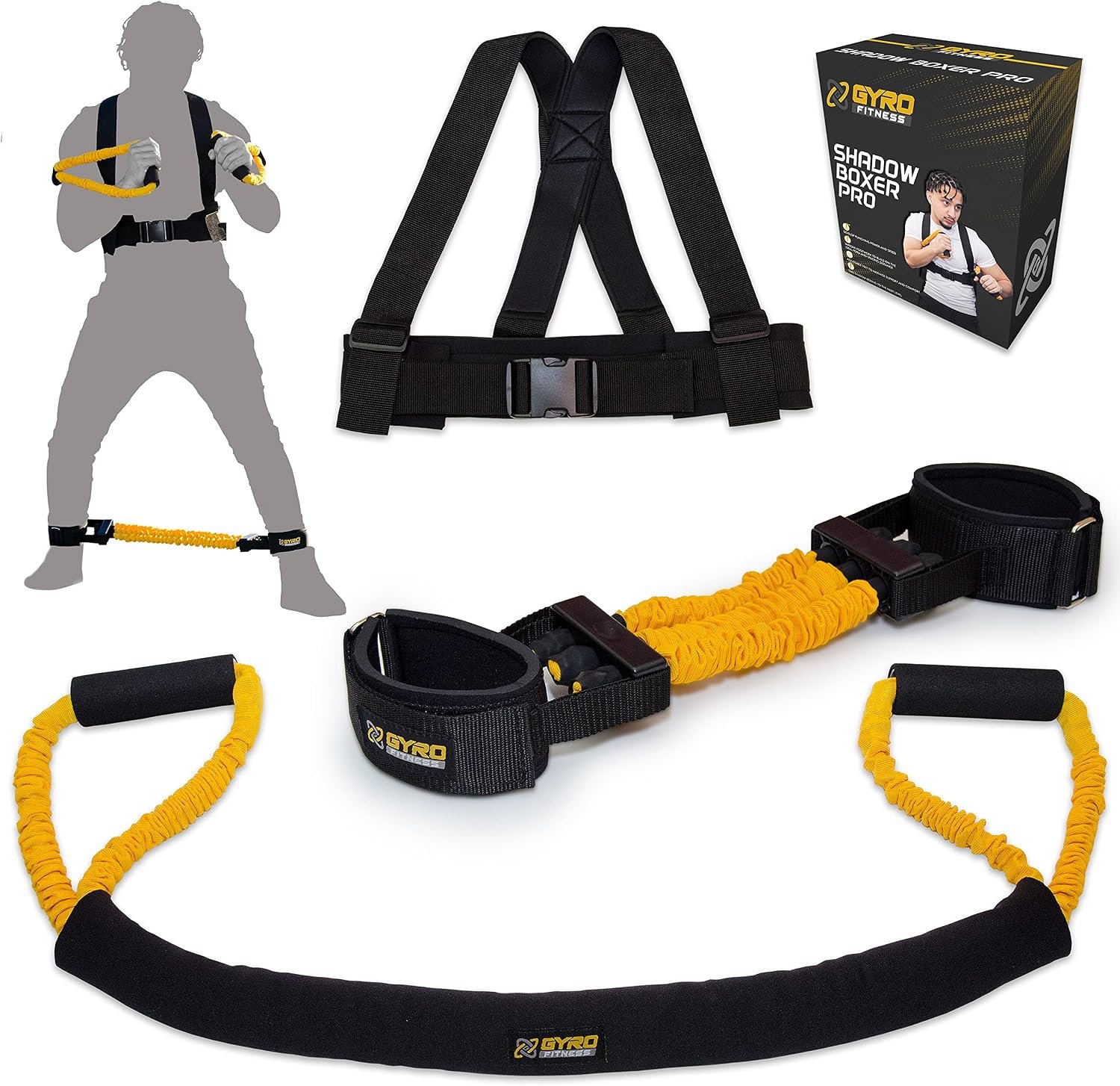
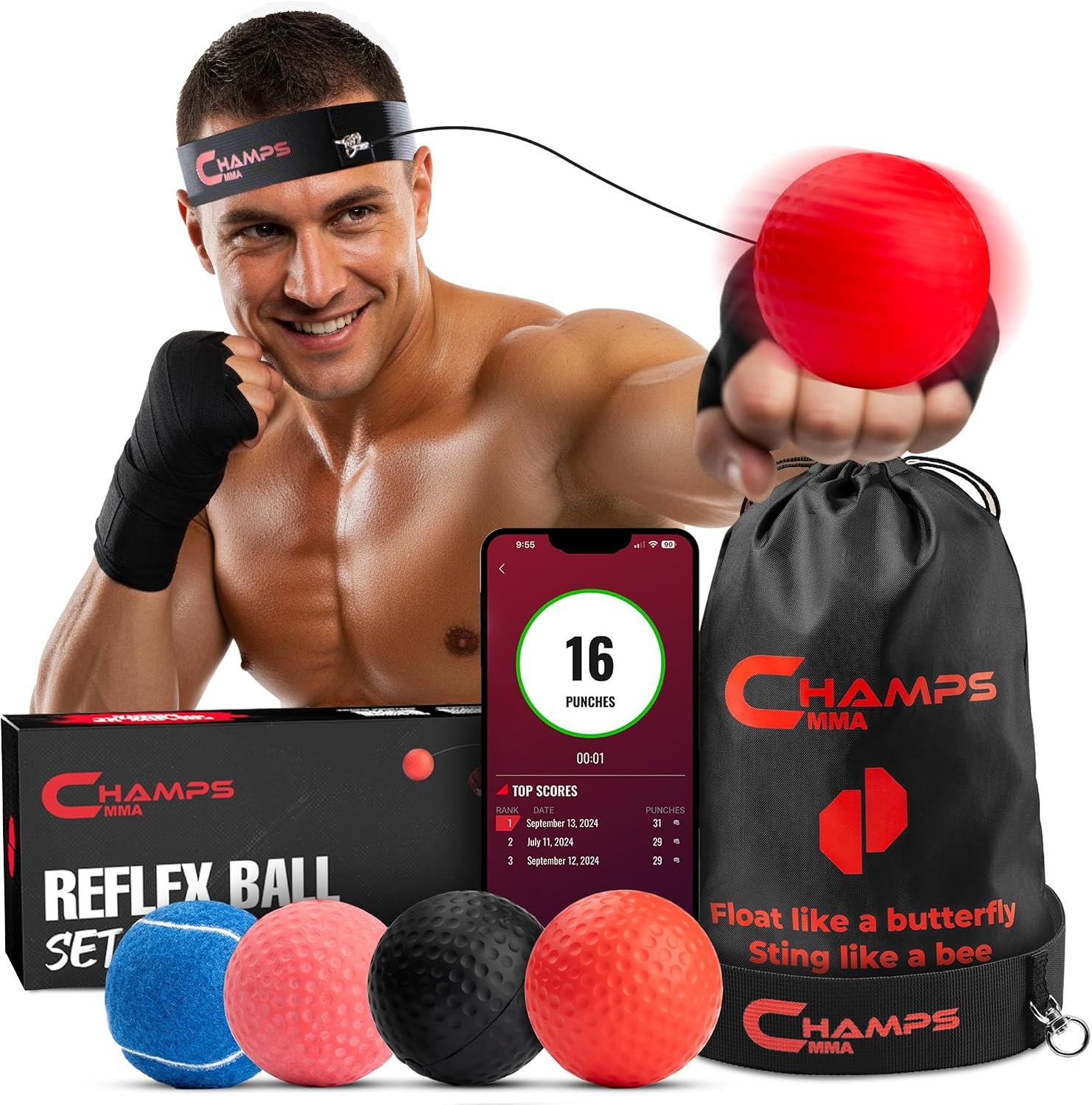
Each quick pick now carries a live product visual so the reader can map the recommendation to an actual glove or gear option before clicking out.
The Shortlist That Actually Deserves Attention
Protein powder is not magic; it is convenience. The strongest argument is consistency: if a shake helps you hit a daily protein target more often, it can support recovery and muscle-building goals better than missing the target altogether.
Creatine monohydrate is the cleanest performance buy for strength athletes because it is inexpensive, widely studied, and directly matches repeated high-output work. Start plain before paying for flavored blends.
Electrolytes are convincing when the athlete actually sweats enough to need them. Hot gyms, long sessions, outdoor conditioning, and fasting windows make this category more useful than it looks on paper.
Caffeine and pre-workout can work, but the buying decision should be stricter. Look at caffeine per serving first, then total daily caffeine, then whether the formula hides extra stimulants behind a proprietary blend.
Second-Tier Products Worth Comparing
Beta-alanine can make sense for repeated hard intervals, combat-sport rounds, circuits, and conditioning blocks. It is less convincing for someone only doing low-rep strength work.
Beetroot or dietary nitrate is more interesting for endurance and repeat-effort training than bodybuilding-style claims. Effects vary, so treat it as a testable add-on.
Carbohydrate powder is boring but useful when the workout is long enough. If the session is short and meals are normal, it is usually not needed.
Sodium bicarbonate has performance logic for intense repeated efforts, but stomach tolerance can be the deal-breaker. Keep it advanced, reviewed, and never a first supplement.
Conditional or Over-Marketed Categories
Collagen, omega-3, vitamin D, magnesium, HMB, EAAs, and BCAAs can all have a place, but they are not equal to the core stack. Their value depends on diet gaps, age, injury context, deficiency risk, training age, and whether total protein is already handled.
Avoid making the cart bigger just because the label sounds scientific. If the supplement does not solve a real bottleneck in training, hydration, recovery, or dietary consistency, it is probably not the next buy.
What to Avoid
- Fat burners that lean on stimulant overload instead of evidence.
- Testosterone boosters with vague hormone language.
- Detox or cleanse products sold as performance shortcuts.
- Proprietary blends that hide exact doses.
- Extreme caffeine products, especially if coffee or energy drinks are already in the day.
- Any product making disease-treatment, guaranteed transformation, or banned-substance-adjacent claims.
How to Make the Purchase Feel Obvious
Use this order: first fix the training plan and meals, then buy the supplement that removes the biggest friction point. Protein solves missed intake. Creatine supports strength work. Electrolytes solve sweat-heavy sessions. Caffeine solves low-energy timing. Everything else must earn its place.
Related Guides
Research Sources
- MedlinePlus dietary supplements overview
- ISSN protein and exercise position stand
- ISSN creatine safety and efficacy position stand
- ISSN caffeine and exercise performance position stand
- ISSN beta-alanine position stand
- AIS Group A sports supplement framework
- USADA supplement risk and NSF Certified for Sport
- ISSN HMB position stand
- NCCIH energy drinks overview
- ACSM hydration and electrolytes facts