Last updated: August 2, 2026
Editor verdict
Quick Verdict
This quick verdict helps fighters, coaches, and home-gym strikers compare boxing shoe insoles footwork by fit, protection, durability, training use, and value.
Who Should Buy
Choose this category if the product matches your current training environment, sizing needs, storage limits, and budget after checking current retailer details.
Who Should Skip
Skip or keep comparing if the listing does not show enough sizing/spec detail, if returns are unclear, or if the product solves a different use case than the one in this guide.
Key Criteria
- Fit
- Protection
- Durability
- Training Use
- Value
Source check: Recommendations should be read with current retail listings, available manufacturer/spec information, buyer-facing claims, and the site’s methodology page.
What we would actually pick for Boxing Shoe Insoles for Footwork
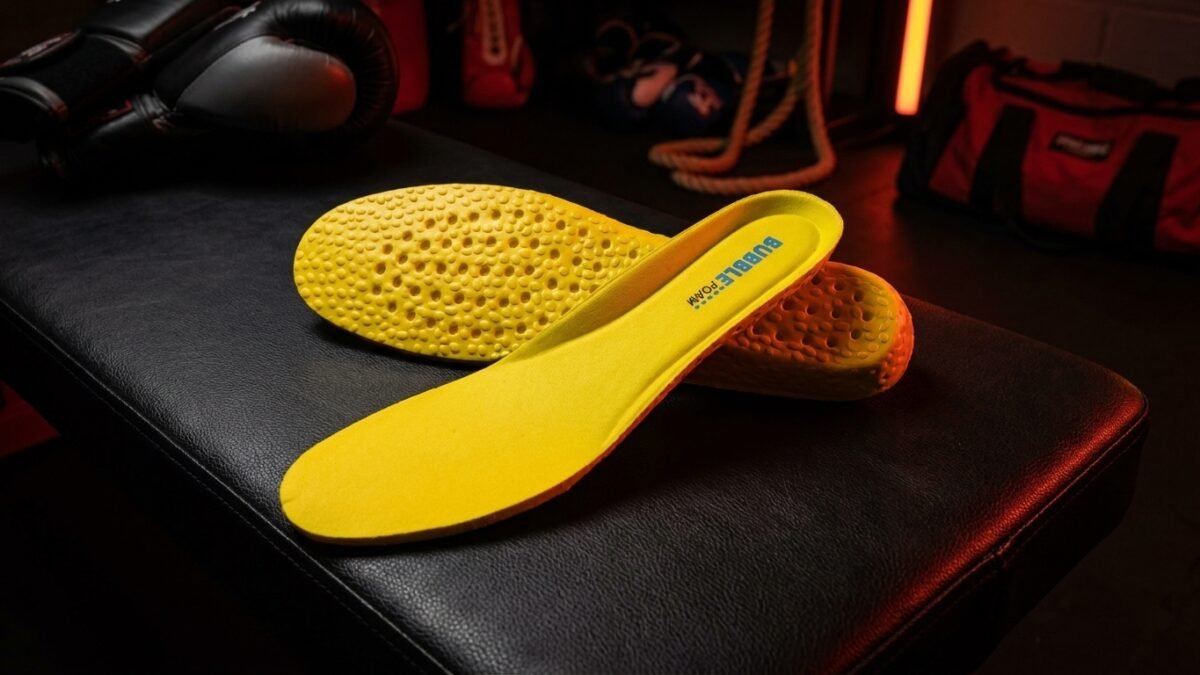
The useful question for Boxing Shoe Insoles for Footwork is fit under pressure. Padding, closure, shape, and return terms matter more than a clean product photo. If I were buying from this page, I would start with Insoles for Boxing Men's Shoes, then use the alternatives only when the size or protection lane fits better.
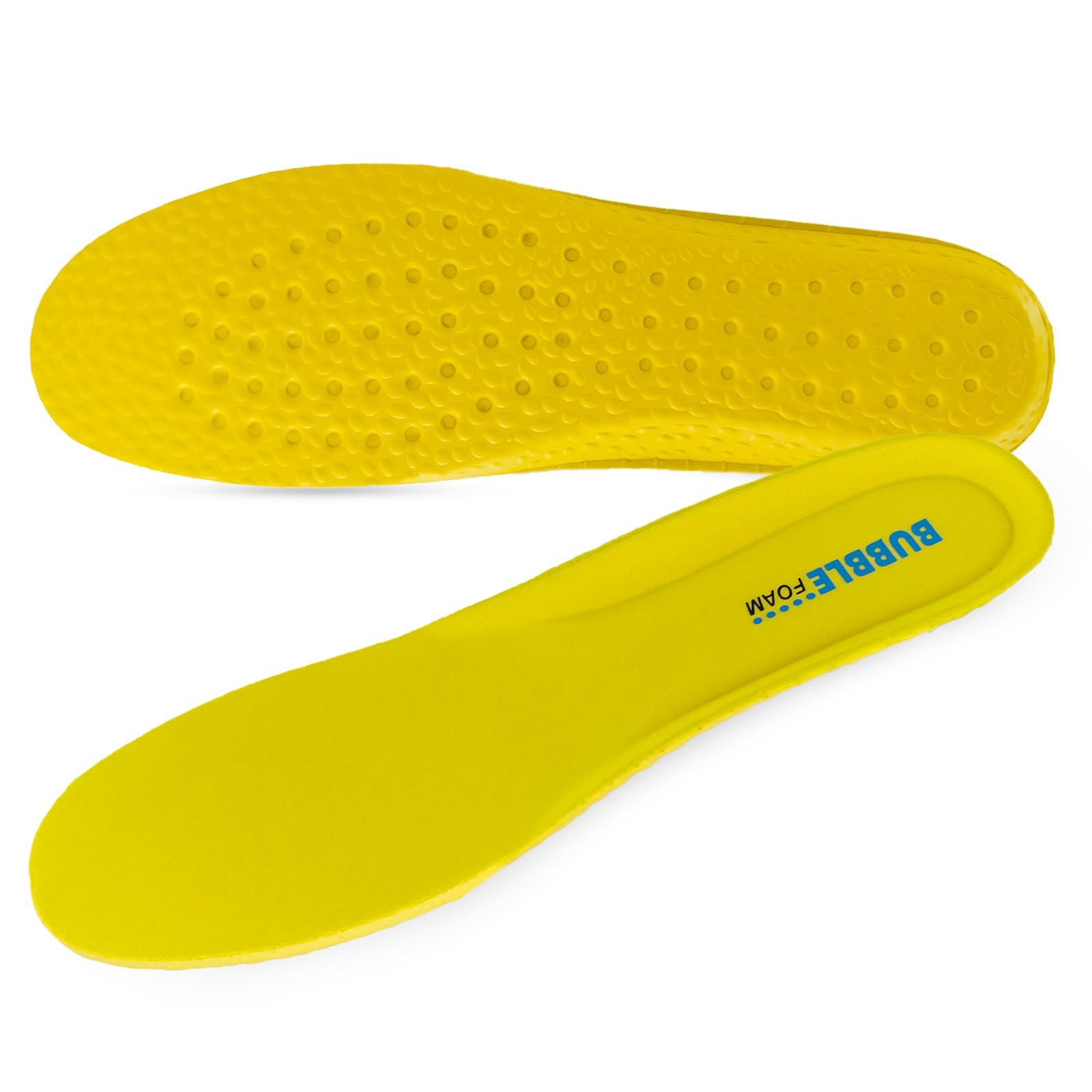
Default pick
Insoles for Boxing Men's Shoes
Why it made the page: it has enough visible fit/use evidence to compare before moving to size and return checks.
Best for: fighters who care more about fit and protection than just the lowest price.
- Price seen $7.99
- 4.3/5 rating shown
Watchout: Sizing and closure are the risk. Check the live size chart and return terms before trusting the fit.
ASIN B0FF4D4QCJ detail page checked August 10, 2026. Prices and availability can move.
See live price and availabilityCheck Canada price on Amazon.ca
Best alternative
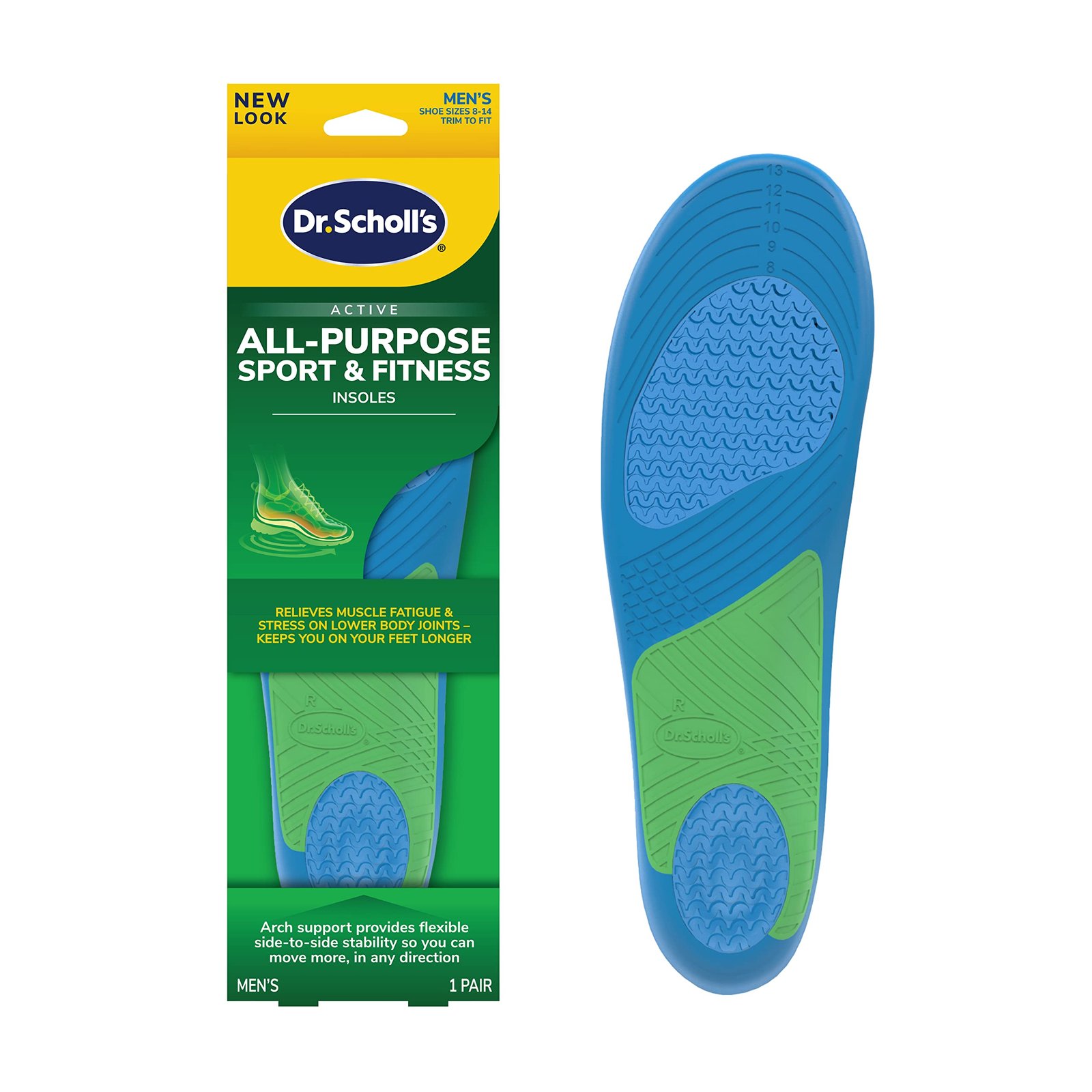
Dr. Scholl’s Sport Insoles
Why it made the page: it has enough visible fit/use evidence to compare before moving to size and return checks.
Best for: fighters who care more about fit and protection than just the lowest price.
- Price seen $14.97
- 4.5/5 from 7,968 ratings
- Size: 1 Pair (Pack of 1)
- Color: Blue
Watchout: Sizing and closure are the risk. Check the live size chart and return terms before trusting the fit.
ASIN B01M8O5G65 detail page checked August 10, 2026. Prices and availability can move.
Budget/edge case
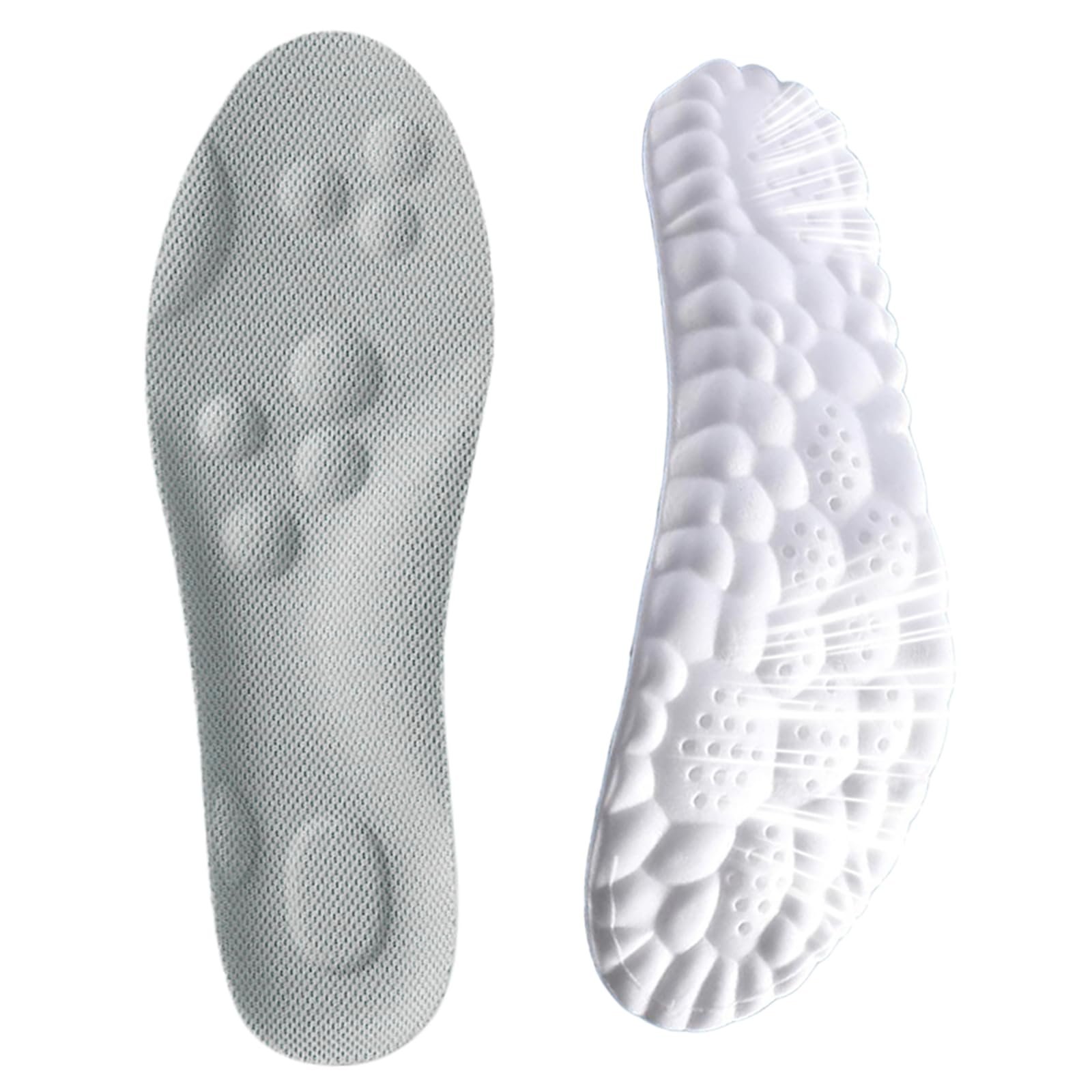
KUMO Insoles for Standing All Day
Why it made the page: it has enough visible fit/use evidence to compare before moving to size and return checks.
Best for: fighters who care more about fit and protection than just the lowest price.
- Price seen $8.99
- 4.1/5 rating shown
Watchout: Sizing and closure are the risk. Check the live size chart and return terms before trusting the fit.
ASIN B0F4RRL9KD detail page checked August 10, 2026. Prices and availability can move.
See live price and availabilityCheck Canada price on Amazon.ca
The buying call
The useful question for Boxing Shoe Insoles for Footwork is fit under pressure. Padding, closure, shape, and return terms matter more than a clean product photo. If I were buying from this page, I would start with Insoles for Boxing Men's Shoes, then use the alternatives only when the size or protection lane fits better. The cards above are ordered by the clearest product-page evidence available in this pass: direct ASIN, visible product media, listed facts, and practical fit for the article’s use case.
StrikeGearHQ participates in the Amazon Associates Program. We earn a commission on qualifying purchases made through links on this page, at no extra cost to you.
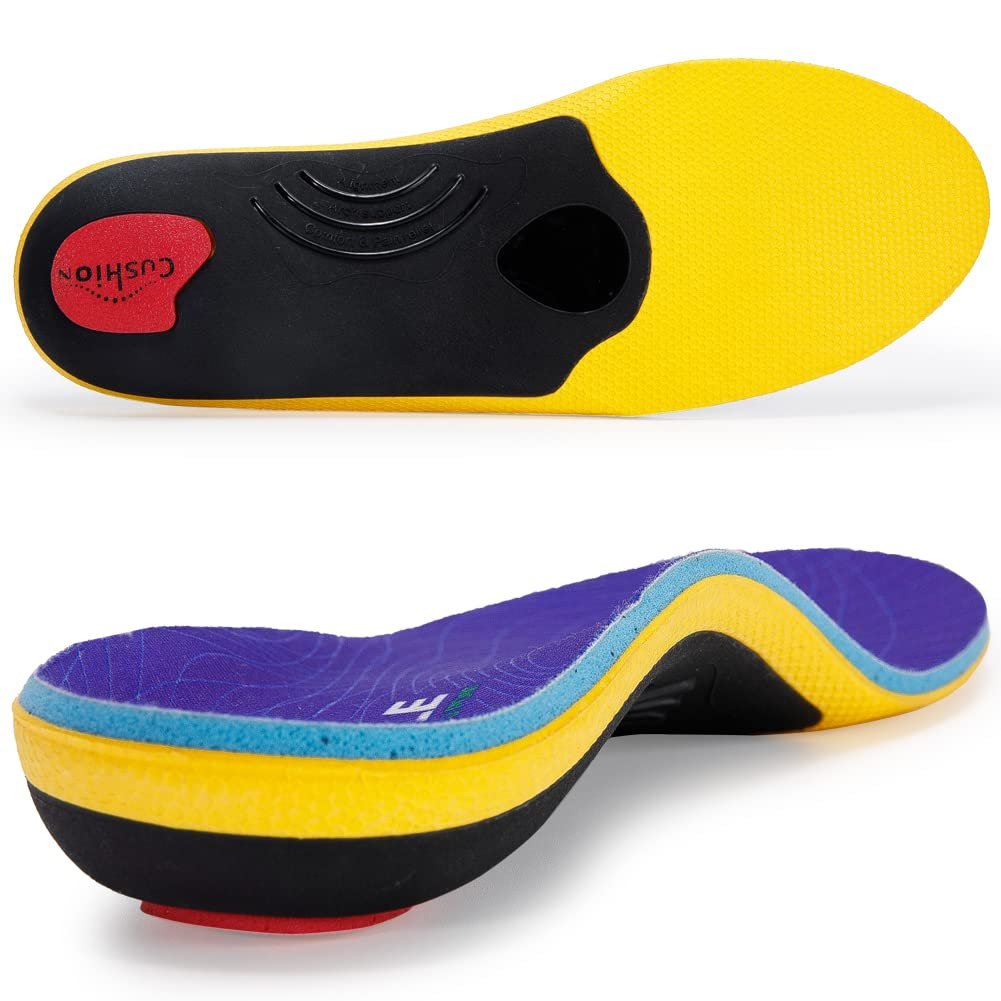
Insoles can help footwork comfort, but bulky support can ruin a boxing shoe fit.